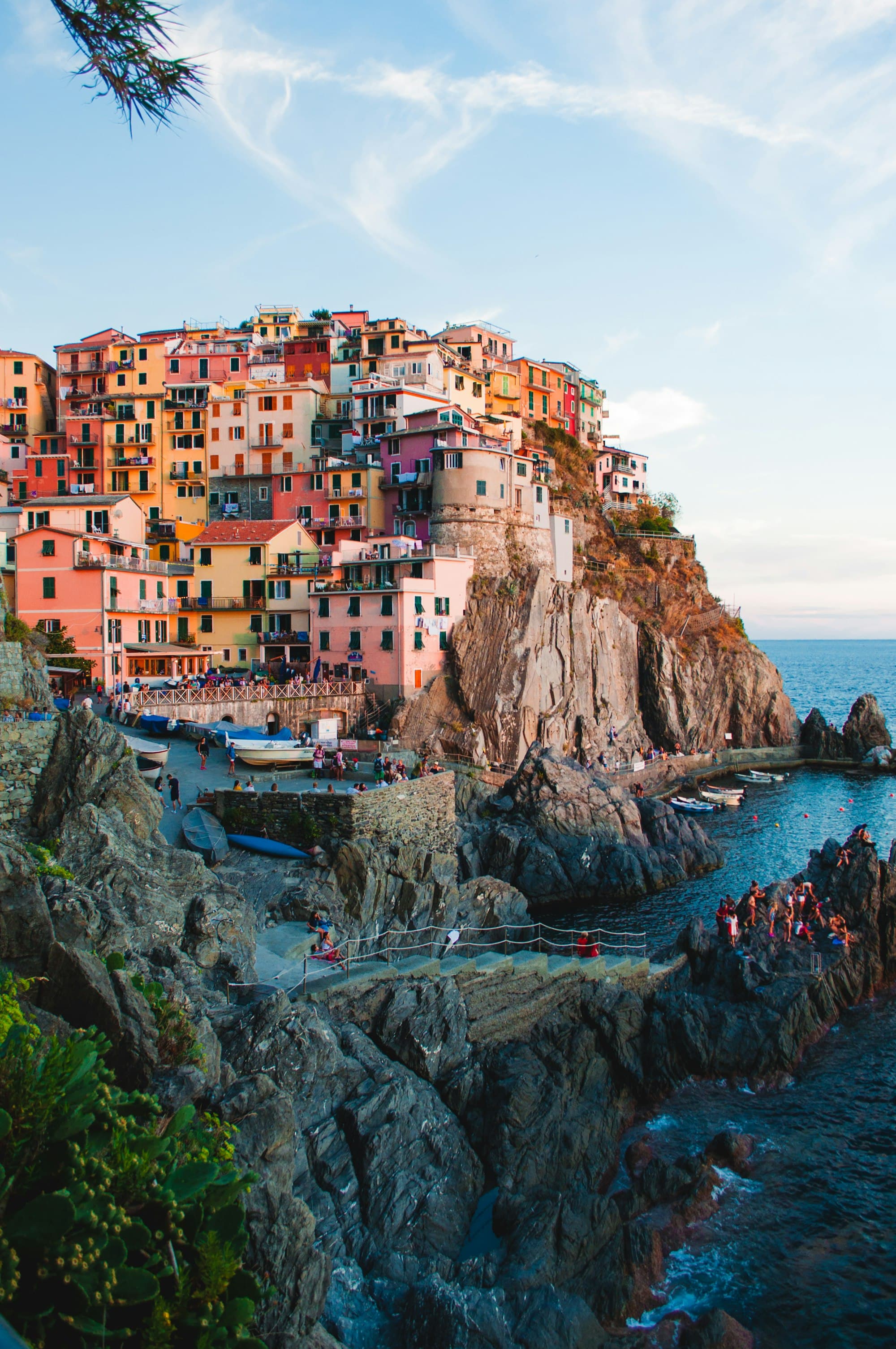
Best Time to Visit Italy
Your complete 2025 guide to planning the perfect Italian adventure
Choosing the right time to visit Italy can make the difference between a magical journey and a frustrating experience. This isn't just about avoiding crowds or finding cheap flights—it's about experiencing Italy at its most authentic, when the light hits the Tuscan hills just right, when the gelato tastes sweetest on a warm Roman evening, when you can actually see the Sistine Chapel without being crushed by tour groups, and when locals have time to share stories over a leisurely espresso.
Italy is a country of remarkable diversity. The snow-capped Alps in the north offer world-class skiing in winter, while Sicily's beaches bask in Mediterranean sunshine nearly year-round. Venice floods during certain months, Rome swelters in August, and Tuscany transforms into a golden paradise during harvest season. Understanding these rhythms—the weather patterns, the festival calendar, the ebb and flow of tourism—is essential for planning a trip that matches your dreams.
Whether you're a food lover eager to experience truffle season in Piedmont, a beach enthusiast dreaming of the Amalfi Coast, a budget traveler seeking the best deals, or a photographer chasing that perfect golden-hour shot of the Colosseum, this guide will help you pinpoint exactly when to book your Italian adventure. We'll break down the weather month by month, explore regional differences, highlight festivals and events, reveal money-saving secrets, and give you honest advice about when to avoid certain destinations.
Before we dive into the details, you might also want to check out our comprehensive travel tips guide for general planning advice, and if you're considering other seasonal destinations, our Costa Rica timing guide offers a similar approach to seasonal travel planning.
Let's explore when Italy reveals its very best self—and when you should experience it.
Quick Answer — When Is the Best Time to Visit Italy?
The best time to visit Italy is during the shoulder seasons: April-May (spring) and September-October (fall). These months offer the perfect combination of pleasant weather, manageable crowds, reasonable prices, and authentic Italian experiences. You'll enjoy comfortable temperatures for sightseeing, witness seasonal celebrations, and have space to actually appreciate the art, architecture, and cuisine without fighting through masses of tourists.
Italy by Season: Complete Overview
Spring
March – May
Weather
50-70°F (10-21°C)
Crowds
Moderate
Prices
Moderate
✓ Pros:
- •Perfect temperatures
- •Blooming landscapes
- •Easter celebrations
- •Fewer crowds than summer
✗ Cons:
- •Occasional rain
- •Easter week very busy
- •Some beach areas still cool
Best For:
Sightseeing, photography, food tours, cultural experiences
Summer
June – August
Weather
75-95°F (24-35°C)
Crowds
Very High
Prices
High
✓ Pros:
- •Beach weather
- •Long daylight hours
- •Outdoor festivals
- •All attractions open
✗ Cons:
- •Extreme heat
- •Massive crowds
- •Highest prices
- •Many locals on vacation in August
Best For:
Beach vacations, coastal destinations, outdoor dining
Fall
September – November
Weather
55-75°F (13-24°C)
Crowds
Moderate
Prices
Moderate
✓ Pros:
- •Ideal temperatures
- •Wine harvest season
- •Food festivals
- •Beautiful autumn colors
- •Fewer tourists
✗ Cons:
- •Rain increases in November
- •Venice flooding season begins
- •Some beach clubs close
Best For:
Wine tours, food experiences, hiking, photography
Winter
December – February
Weather
35-55°F (2-13°C)
Crowds
Low
Prices
Low
✓ Pros:
- •Lowest prices
- •Christmas markets
- •Skiing in Alps
- •Authentic local experience
- •No crowds
✗ Cons:
- •Cold and rainy
- •Short daylight hours
- •Some attractions closed
- •Beach destinations quiet
Best For:
Budget travelers, winter sports, Christmas markets, museums
Italy Weather by Season
Understanding Italy's seasonal weather patterns is crucial for planning your trip. The country experiences distinct seasons with significant regional variations between the northern Alps and southern Mediterranean coast.

Spring (March – May)
Temperature Range
50-70°F (10-21°C)
Rainfall
Moderate
Crowd Level
Moderate
Spring is arguably the most beautiful time to visit Italy. The countryside awakens with wildflowers carpeting the hillsides, fruit trees burst into blossom, and the air carries that fresh, crisp quality that makes every breath feel invigorating. March can still be cool, especially in northern regions, but by April and May, temperatures become ideal for exploring cities on foot without breaking a sweat.
This is when Italy's famous gardens—from Villa d'Este to the Boboli Gardens—are at their most spectacular. The light has a special quality in spring, softer and more golden than the harsh summer sun, which photographers absolutely love. You'll find locals dining outdoors again, cafes setting up their terraces, and a general sense of renewal in the air.
Easter is a major event throughout Italy, bringing both beautiful traditions and significant crowds, especially in Rome. Holy Week sees elaborate processions, special masses, and the Pope's Easter blessing in St. Peter's Square. Book accommodations well in advance if visiting during Easter.
Best places to visit in spring: Rome (perfect weather for ruins and walking), Florence (gardens in bloom), Tuscany (rolling green hills), Cinque Terre (hiking trails open, fewer crowds), Lake Como (gardens awakening), Sicily (wildflowers and pleasant temperatures).
Spring Travel Tip:
Pack layers! Mornings can be cool (50s°F), afternoons warm (70s°F), and evenings cool again. A light jacket, scarf, and comfortable walking shoes are essential. Don't forget an umbrella or light rain jacket for occasional spring showers.
Summer (June – August)
Temperature Range
75-95°F (24-35°C)
Rainfall
Low
Crowd Level
Very High
Summer in Italy is a tale of two experiences. On one hand, you have long, sun-drenched days perfect for beach lounging, outdoor dining under the stars, and experiencing Italy's vibrant summer festival scene. On the other hand, you're dealing with intense heat, overwhelming crowds at major attractions, and prices that can be 50-100% higher than off-season rates.
June is actually quite pleasant—warm but not unbearable, with manageable crowds and everything fully operational. July starts to heat up significantly, and by August, many Italian cities become uncomfortably hot. Rome, Florence, and inland cities can easily hit 95-100°F (35-38°C) with high humidity. Walking around ancient ruins or standing in line for museums becomes genuinely exhausting.
Ferragosto (August 15) is Italy's biggest summer holiday, when many Italians take their annual vacation. The week around August 15 sees many local businesses, restaurants, and shops closed, particularly in cities. Romans flee to the coast, leaving the capital feeling somewhat empty but also less authentic. However, coastal destinations become absolutely packed.
Best places to visit in summer: Amalfi Coast (beach paradise), Sardinia (pristine beaches), Sicily (coastal towns), Italian Riviera (Cinque Terre, Portofino), Lake Garda (water sports), Dolomites (hiking and mountain scenery), Puglia (beautiful beaches, fewer crowds than Amalfi).
Summer Survival Tips:
- • Book major attractions online in advance to skip long outdoor lines
- • Plan sightseeing for early morning (7-10am) and late afternoon (5-8pm)
- • Take a siesta during peak heat (1-4pm) like the locals do
- • Stay hydrated—carry a refillable water bottle (public fountains everywhere)
- • Consider coastal or mountain destinations instead of inland cities
- • If visiting cities, choose hotels with air conditioning (not all have it!)
Fall (September – November)
Temperature Range
55-75°F (13-24°C)
Rainfall
Moderate
Crowd Level
Moderate
Many seasoned travelers consider fall the absolute best time to visit Italy, and it's easy to understand why. September and October offer that magical combination of warm, comfortable weather, thinning crowds, and some of Italy's most celebrated seasonal experiences. The summer heat has broken, but it's still warm enough for outdoor dining and beach visits in southern regions.
This is harvest season—the time when Italy's wine regions come alive with vendemmia (grape harvest) celebrations, truffle hunting in Piedmont and Umbria, olive oil pressing in Tuscany, and food festivals celebrating everything from chestnuts to porcini mushrooms. The countryside transforms into a painter's palette of golds, reds, and burnt oranges, particularly stunning in Tuscany, Umbria, and the Dolomites.
September is particularly ideal—still warm enough for swimming in southern Italy, perfect for sightseeing in cities, and with noticeably fewer tourists than summer. October brings cooler temperatures and occasional rain, but also wine harvest festivals and truffle season. November can be rainy and is when Venice's acqua alta (high water) flooding typically begins, but prices drop significantly and you'll have major attractions nearly to yourself.
Best places to visit in fall: Tuscany (wine harvest and fall colors), Piedmont (truffle season and Barolo wine region), Umbria (olive harvest), Rome (perfect weather, fewer crowds), Florence (comfortable temperatures for museums), Amalfi Coast (still warm, fewer tourists), Dolomites (spectacular fall foliage).
Fall Experience Highlights:
- • Join a grape harvest experience at a Tuscan or Piedmont vineyard
- • Go truffle hunting with trained dogs in Alba or Norcia
- • Attend a sagra (food festival) celebrating seasonal ingredients
- • Visit olive groves during harvest and taste fresh-pressed oil
- • Hike in the Dolomites when larch trees turn golden
- • Enjoy outdoor dining without summer's oppressive heat
Winter (December – February)
Temperature Range
35-55°F (2-13°C)
Rainfall
Moderate-High
Crowd Level
Low
Winter in Italy is the road less traveled, and for certain types of travelers, it's absolutely magical. Yes, it's cold and rainy in many regions. Yes, some coastal attractions close for the season. But you'll also experience Italy at its most authentic, with locals going about their daily lives, museums blissfully uncrowded, and prices at their lowest point of the year.
December brings enchanting Christmas markets, particularly beautiful in northern cities like Bolzano, Trento, and Verona. Italian cities dress up with elaborate light displays, nativity scenes (presepi) appear in churches and piazzas, and the festive atmosphere is genuinely heartwarming. The period between Christmas and New Year can be busy with Italian families traveling, but January and February are remarkably quiet.
The Italian Alps and Dolomites transform into world-class ski destinations. Resorts like Cortina d'Ampezzo, Val Gardena, and Courmayeur offer excellent skiing with far more charm and better food than most Alpine resorts. Meanwhile, southern Italy—Sicily, Puglia, Calabria—remains relatively mild, with temperatures in the 50s°F and occasional sunny days perfect for exploring without crowds.
Best places to visit in winter: Rome (museums without crowds, cozy trattorias), Florence (art galleries in peace), Venice (atmospheric fog, fewer tourists), Italian Alps (skiing and winter sports), Sicily (mild weather, authentic experience), Naples (pizza season!), Bologna (food capital, covered porticos protect from rain).
Winter Travel Advantages:
- • Hotel prices 40-50% lower than peak season
- • Major attractions like the Uffizi and Vatican with minimal lines
- • Authentic local experience without tourist crowds
- • Perfect for museum lovers and art enthusiasts
- • Cozy trattorias serving hearty winter dishes
- • Ski resorts in the Alps and Dolomites at their best
- • Christmas markets and festive atmosphere in December
Italy Weather by Month: Detailed Breakdown
Here's a comprehensive month-by-month guide to help you choose the perfect time for your Italian adventure based on weather, crowds, prices, and seasonal activities.
| Month | Temperature | Rain | Crowds | Prices | Best Activities |
|---|---|---|---|---|---|
January | 35-50°F (2-10°C) | Moderate | Very Low | Very Low | Museums, winter sports, truffle season, New Year celebrations |
February | 37-52°F (3-11°C) | Moderate | Very Low | Very Low | Venice Carnival, skiing, museum visits, truffle hunting |
March | 45-60°F (7-16°C) | Moderate | Low-Moderate | Low-Moderate | Spring blooms begin, city sightseeing, early hiking |
April | 50-65°F (10-18°C) | Moderate | Moderate | Moderate | Easter celebrations, gardens in bloom, perfect for walking tours |
May | 55-70°F (13-21°C) | Low-Moderate | Moderate | Moderate | Beach season begins, hiking, outdoor festivals, rose gardens |
June | 65-80°F (18-27°C) | Low | High | High | Beach vacations, outdoor dining, summer festivals, long daylight |
July | 70-90°F (21-32°C) | Very Low | Very High | Very High | Beach destinations, coastal towns, outdoor concerts, gelato tours |
August | 70-95°F (21-35°C) | Very Low | Very High | Very High | Beach vacations, Ferragosto celebrations, coastal escapes |
September | 60-75°F (16-24°C) | Low-Moderate | Moderate | Moderate | Wine harvest, beach still warm, perfect sightseeing weather |
October | 55-68°F (13-20°C) | Moderate | Moderate | Moderate | Truffle season, wine festivals, fall foliage, food tours |
November | 45-58°F (7-14°C) | High | Low | Low | Museums, olive harvest, truffle season, wine tasting |
December | 37-52°F (3-11°C) | Moderate-High | Low-Moderate | Low-Moderate | Christmas markets, skiing, festive celebrations, nativity scenes |
January
Temperature
35-50°F (2-10°C)
Crowds
Very LowPrices
Very LowHighlight
Lowest prices of the year, authentic local experience
February
Temperature
37-52°F (3-11°C)
Crowds
Very LowPrices
Very LowHighlight
Venice Carnival (late Feb), excellent ski conditions
March
Temperature
45-60°F (7-16°C)
Crowds
Low-ModeratePrices
Low-ModerateHighlight
Spring awakening, fewer crowds, pleasant temperatures
April
Temperature
50-65°F (10-18°C)
Crowds
ModeratePrices
ModerateHighlight
Peak spring beauty, Easter festivities, ideal weather
May
Temperature
55-70°F (13-21°C)
Crowds
ModeratePrices
ModerateHighlight
Perfect temperatures, long days, roses in bloom
June
Temperature
65-80°F (18-27°C)
Crowds
HighPrices
HighHighlight
Summer begins, warm but not extreme, all attractions open
July
Temperature
70-90°F (21-32°C)
Crowds
Very HighPrices
Very HighHighlight
Peak summer, hottest month, maximum daylight hours
August
Temperature
70-95°F (21-35°C)
Crowds
Very HighPrices
Very HighHighlight
Ferragosto holiday (Aug 15), many businesses closed, extreme heat
September
Temperature
60-75°F (16-24°C)
Crowds
ModeratePrices
ModerateHighlight
Ideal month! Harvest season, comfortable temps, fewer crowds
October
Temperature
55-68°F (13-20°C)
Crowds
ModeratePrices
ModerateHighlight
Peak harvest season, truffle hunting, beautiful fall colors
November
Temperature
45-58°F (7-14°C)
Crowds
LowPrices
LowHighlight
Low prices, authentic experience, Venice flooding begins
December
Temperature
37-52°F (3-11°C)
Crowds
Low-ModeratePrices
Low-ModerateHighlight
Magical Christmas atmosphere, markets, holiday lights
Reading the Table:
Crowd Levels:
- Very Low: Minimal tourists, authentic experience
- Low: Few tourists, easy to explore
- Moderate: Manageable crowds
- High: Busy, book ahead
- Very High: Peak season, expect lines
Price Levels:
- Very Low: 40-50% off peak rates
- Low: 25-40% off peak rates
- Moderate: Standard rates
- High: 25-50% above standard
- Very High: 50-100% above standard
Best Time to Visit Italy by Travel Style
Different travelers have different priorities. Here's when to visit Italy based on what matters most to you.
Food & Wine Travelers
Best Time: September – November
Fall is paradise for food lovers. This is harvest season—when grapes are picked for wine, truffles are hunted in forests, olives are pressed for oil, and chestnuts roast over open fires.
Top Experiences:
- •Vendemmia (grape harvest) in Tuscany, Piedmont, or Veneto
- •White truffle hunting in Alba (October-November)
- •Olive oil pressing in Tuscany and Umbria
- •Porcini mushroom foraging in the mountains
- •Wine festivals celebrating new vintages
- •Sagre (food festivals) in every region
Pro Tip:
Book agriturismo stays in wine regions for authentic farm-to-table experiences and vineyard tours.
Beach Vacations
Best Time: June – September
For classic Mediterranean beach holidays, summer is your season. The water is warm, beach clubs are fully operational, and coastal towns buzz with energy.
Top Experiences:
- •Amalfi Coast: Positano, Ravello, Amalfi (June-Sept)
- •Sardinia: Costa Smeralda, pristine beaches (July-Aug)
- •Sicily: Taormina, Cefalù, San Vito Lo Capo (June-Sept)
- •Cinque Terre: Swimming between villages (June-Sept)
- •Puglia: Less crowded alternative to Amalfi (June-Sept)
- •Italian Riviera: Portofino, Santa Margherita (June-Sept)
Pro Tip:
June and September offer warm water with fewer crowds than July-August. Book accommodations 3-6 months ahead for summer.
Budget Travelers
Best Time: November – March (except holidays)
Winter offers the best value in Italy. Hotels drop prices by 40-50%, flights are cheaper, and you can experience major attractions without expensive skip-the-line tickets.
Top Experiences:
- •Rome museums without crowds or high prices
- •Florence art galleries at leisure
- •Venice in atmospheric winter fog
- •Sicily with mild weather and low prices
- •Naples for authentic pizza culture
- •Bologna for food tours under covered porticos
Pro Tip:
January-February offer the absolute lowest prices. Avoid Christmas/New Year and Carnival for best deals. Check our cost calculator for budget planning. Use our planning tools
Honeymoons & Romance
Best Time: April – May, September – October
Shoulder seasons provide the perfect romantic backdrop—pleasant weather, fewer crowds, and that magical Italian light that makes everything look like a movie scene.
Top Experiences:
- •Venice gondola rides without summer crowds
- •Tuscany countryside drives through blooming/harvest landscapes
- •Amalfi Coast with warm weather, fewer tourists (May, Sept)
- •Lake Como villa gardens in spring bloom
- •Rome evening strolls through illuminated piazzas
- •Cinque Terre hiking between villages
Pro Tip:
May and September offer the best combination of weather and intimacy. Book luxury hotels in advance for best rooms.
Photography & Landscapes
Best Time: April – May, September – October
The light in spring and fall is softer and more golden than harsh summer sun. Landscapes are at their most photogenic—spring blooms or fall colors—and you can shoot without crowds in your frame.
Top Experiences:
- •Tuscany rolling hills: Spring (green/blooming) or Fall (golden)
- •Dolomites: June (wildflowers) or October (golden larches)
- •Venice: November fog creates moody atmospheric shots
- •Cinque Terre: April-May (fewer tourists, good light)
- •Rome: Early morning in spring/fall (soft light, empty streets)
- •Amalfi Coast: May or September (perfect light, manageable crowds)
Pro Tip:
Golden hour (sunrise/sunset) is magical year-round. Spring and fall offer the best midday light without harsh shadows.
Cultural Sightseeing
Best Time: April – May, October – November
For museum lovers, art enthusiasts, and history buffs, shoulder seasons and winter offer the best experience. You can actually see the art without being crushed by crowds.
Top Experiences:
- •Vatican Museums and Sistine Chapel with space to breathe
- •Uffizi Gallery in Florence without hour-long lines
- •Pompeii ruins in comfortable temperatures
- •Roman Forum and Colosseum without extreme heat
- •Venice palaces and churches in peace
- •Florence Duomo climb without claustrophobic crowds
Pro Tip:
Book major attractions online in advance even in shoulder season. Winter (Jan-Feb) offers the emptiest museums but shorter hours. Use our planning tools
Outdoor Adventures
Best Time: May – June, September – October
For hiking, biking, and outdoor activities, late spring and early fall provide ideal conditions—comfortable temperatures, stable weather, and trails at their best.
Top Experiences:
- •Dolomites hiking: June-September (trails snow-free)
- •Cinque Terre coastal trails: April-June, Sept-Oct
- •Tuscany cycling: April-May, September-October
- •Sicily Mount Etna hiking: April-June, September-October
- •Lake District water sports: May-September
- •Via Francigena pilgrimage: April-June, September-October
Pro Tip:
Avoid July-August for hiking—too hot at lower elevations. Mountain refugios open June-September. Check trail conditions in spring.
Can't Decide? Here's the Universal Best Time
If you want the best all-around experience regardless of travel style, late April through May and mid-September through October offer the sweet spot. You'll get:
- ✓Comfortable temperatures (60-75°F) perfect for any activity
- ✓Manageable crowds at major attractions
- ✓Reasonable prices (not peak, not rock-bottom)
- ✓Seasonal experiences (spring blooms or fall harvest)
- ✓Everything open and fully operational
Best Time to Visit Italy by Region
Italy's diverse geography means different regions have different optimal visiting times. Here's a detailed breakdown of when to visit each major destination.

Rome
Best Time: April – May, September – October
Rome is magnificent year-round, but spring and fall offer the perfect balance. Summer heat (often 95°F+) makes exploring ancient ruins exhausting, while winter can be rainy and cold.
Spring
55-70°F, occasional rain, perfect for walking
Summer
75-95°F, hot and crowded, early mornings best
Fall
60-75°F, comfortable, harvest season
Winter
40-55°F, cool and rainy, museums ideal
Key Highlights:
- •April-May: Easter celebrations, spring blooms, comfortable temperatures
- •September-October: Fewer crowds, perfect weather, outdoor dining
- •Avoid: August (extreme heat, many locals away)
- •Winter bonus: Empty museums, low prices, cozy trattorias
Regional Tip:
Book Vatican and Colosseum tickets online months in advance for spring/fall. Summer requires 6am starts to beat heat and crowds.
Venice
Best Time: April – June, September – October
Venice is magical but challenging. Acqua alta (flooding) occurs November-December, summer brings oppressive crowds and heat, but spring and fall are absolutely enchanting.
Spring
50-65°F, occasional rain, blooming gardens
Summer
70-85°F, humid, very crowded, occasional storms
Fall
55-70°F, comfortable, possible flooding late season
Winter
35-50°F, foggy, flooding season, atmospheric
Key Highlights:
- •April-June: Perfect weather, gardens blooming, manageable crowds
- •September-October: Comfortable temps, Venice Film Festival (Sept)
- •February: Carnival (magical but very crowded and expensive)
- •November-December: Acqua alta flooding, but atmospheric and empty
Regional Tip:
Avoid July-August cruise ship crowds. November-January brings flooding—check forecasts and pack waterproof boots. Winter fog creates moody, romantic atmosphere.
Florence & Tuscany
Best Time: April – May, September – October
Tuscany transforms with the seasons. Spring brings wildflowers and green hills, fall offers wine harvest and golden landscapes. Summer is beautiful but hot and crowded.
Spring
55-70°F, blooming landscapes, occasional rain
Summer
75-90°F, hot, dry, crowded in cities
Fall
60-75°F, harvest season, perfect temperatures
Winter
40-55°F, cool, rainy, quiet countryside
Key Highlights:
- •April-May: Rolling green hills, wildflowers, perfect for countryside drives
- •September-October: Wine harvest, truffle season, golden landscapes
- •June-August: Hot but beautiful, book agriturismo with pools
- •November-March: Truffle season, low prices, authentic experience
Regional Tip:
Rent a car to explore Chianti, Val d'Orcia, and hill towns. Fall harvest season offers wine tours and truffle hunting. Spring is ideal for photography.
Amalfi Coast
Best Time: May – June, September
The Amalfi Coast is stunning but seasonal. Many hotels and restaurants close November-March. Summer is peak season with sky-high prices and traffic nightmares.
Spring
60-70°F, pleasant, some businesses still closed early
Summer
75-85°F, hot, very crowded, expensive
Fall
65-75°F, warm water, fewer crowds, ideal
Winter
50-60°F, many places closed, quiet, some rain
Key Highlights:
- •May-June: Perfect weather, everything open, manageable crowds
- •September: Warm water, fewer tourists, better prices than summer
- •July-August: Peak season, traffic chaos, highest prices
- •October: Still pleasant, some places closing, good deals
Regional Tip:
Book hotels 6+ months ahead for summer. Use ferries instead of driving—roads are narrow and parking impossible. May and September offer best value.
Sicily
Best Time: April – June, September – October
Sicily enjoys a longer season than northern Italy. Spring and fall are ideal, summer is very hot, but even winter remains relatively mild with temperatures in the 50s-60s°F.
Spring
60-75°F, wildflowers, perfect for ruins and hiking
Summer
80-95°F, very hot, beach weather, crowded coasts
Fall
65-80°F, warm water, harvest season, comfortable
Winter
50-65°F, mild, quiet, some rain, authentic
Key Highlights:
- •April-June: Wildflowers, perfect for Mount Etna hiking, Greek ruins
- •September-October: Warm sea, fewer crowds, food festivals
- •July-August: Beach season, very hot inland, coastal towns packed
- •November-March: Mild, authentic, low prices, some attractions closed
Regional Tip:
Sicily is huge—plan at least a week. Rent a car for flexibility. Spring is ideal for Valley of the Temples and hiking. Fall offers wine harvest experiences.
Italian Lakes (Como, Garda, Maggiore)
Best Time: May – September
The Italian Lakes are seasonal destinations. Villa gardens are at their best May-September, water sports operate summer only, and many hotels close October-April.
Spring
55-70°F, gardens blooming, pleasant, some rain
Summer
70-85°F, warm, perfect for swimming and water sports
Fall
55-70°F, beautiful colors, cooler water, quieter
Winter
35-50°F, many places closed, cold, some snow
Key Highlights:
- •May-June: Villa gardens in full bloom, perfect temperatures
- •July-August: Swimming, water sports, all activities open
- •September: Warm water, fewer crowds, beautiful light
- •April & October: Shoulder season, some places closed, good deals
Regional Tip:
Book lakeside hotels early for summer. Villa gardens (Villa Carlotta, Villa Balbianello) are spectacular in May-June. George Clooney's favorite season is September.
Planning a Multi-Region Trip?
If you're visiting multiple regions, consider these combinations:
Classic First-Timer (10-14 days)
Rome → Florence/Tuscany → Venice
Best: April-May or September-October
Southern Italy (10-14 days)
Rome → Amalfi Coast → Sicily
Best: May-June or September
Northern Italy (7-10 days)
Milan → Lake Como → Venice → Dolomites
Best: May-September
Food & Wine Tour (10-14 days)
Piedmont → Tuscany → Emilia-Romagna
Best: September-October (harvest)
Italy Festivals & Events by Season
Italy's festival calendar is packed with celebrations that showcase the country's rich culture, traditions, and love of life. Timing your visit around these events can add unforgettable experiences to your trip.
Spring Festivals
Easter (Pasqua)
March or April (varies)Throughout Italy, especially Rome
Holy Week brings elaborate processions, special masses, and the Pope's Easter blessing in St. Peter's Square. Florence's Scoppio del Carro (Explosion of the Cart) is spectacular.
Liberation Day (Festa della Liberazione)
April 25Throughout Italy
National holiday celebrating liberation from fascism. Parades, concerts, and celebrations, especially in Milan and Rome.
Maggio Musicale Fiorentino
April-JuneFlorence
Italy's oldest music festival featuring opera, concerts, and ballet performances in historic venues.
Infiorata Flower Festivals
May-JuneSpello, Genzano, Noto
Streets covered in elaborate flower petal carpets creating stunning temporary art installations.
Summer Festivals
Palio di Siena
July 2 & August 16Siena, Tuscany
Historic bareback horse race around Piazza del Campo. Intense neighborhood rivalry, medieval pageantry, and electric atmosphere. Book months ahead.
Verona Opera Festival
June-AugustVerona Arena
World-class opera performances in a 2,000-year-old Roman amphitheater. Magical summer evenings under the stars.
Ferragosto
August 15Throughout Italy
Major summer holiday when Italians vacation. Cities empty, coastal towns packed, many businesses closed. Beach parties and fireworks.
Venice Film Festival
Late August-Early SeptemberVenice Lido
Prestigious international film festival. Celebrity sightings, red carpet events, and world premieres.
Fall Festivals
Vendemmia (Grape Harvest)
September-OctoberWine regions: Tuscany, Piedmont, Veneto
Wine harvest season with festivals, vineyard tours, grape stomping, and new wine celebrations throughout wine country.
Alba White Truffle Festival
October-NovemberAlba, Piedmont
World's most prestigious truffle fair. Truffle hunting demonstrations, auctions, and incredible food experiences.
Eurochocolate
OctoberPerugia, Umbria
Europe's largest chocolate festival. Street sculptures, tastings, workshops, and chocolate-themed events.
Olive Harvest Festivals
October-NovemberTuscany, Umbria, Puglia
Celebrate new olive oil with tastings, pressing demonstrations, and farm dinners featuring liquid gold.
Winter Festivals
Christmas Markets (Mercatini di Natale)
Late November-DecemberBolzano, Trento, Verona, Florence
Enchanting markets with handcrafted gifts, mulled wine, roasted chestnuts, and festive atmosphere. Northern cities have the best.
La Befana
January 6 (Epiphany)Throughout Italy
Italian Christmas witch brings gifts to children. Markets, parades, and the famous Befana regatta in Venice.
Carnevale di Venezia
February (2 weeks before Lent)Venice
World-famous carnival with elaborate masks, costumes, balls, and street performances. Magical but very crowded and expensive.
Carnevale di Viareggio
FebruaryViareggio, Tuscany
Spectacular carnival with massive satirical floats, parades, and celebrations. Less crowded alternative to Venice.
Festival Planning Tips
- •Book accommodations 3-6 months ahead for major festivals
- •Expect higher prices during festival periods
- •Arrive early for popular events—they fill up quickly
- •Check official websites for exact dates (many vary yearly)
- •Some festivals require advance tickets or reservations
Hidden Gem Festivals
- •Sagre: Local food festivals in every region celebrating seasonal ingredients
- •Medieval Festivals: Historic reenactments in hill towns throughout summer
- •Jazz Festivals: Umbria Jazz (July), Ravello Festival (summer)
- •Religious Processions: Especially beautiful in Sicily and southern Italy
- •Chestnut Festivals: Fall celebrations in mountain villages
Cheapest Time to Visit Italy
Budget-conscious travelers can save hundreds—even thousands—by choosing the right time to visit and following smart money-saving strategies.
The Absolute Cheapest Months
January
Lowest prices of the year
Post-holiday lull means rock-bottom rates. Cold and rainy, but museums are empty and authentic.
February
Great deals (except Carnival)
Still very affordable unless visiting Venice during Carnival. Ski season in Alps.
November
Fall shoulder season
After October crowds leave, prices drop significantly. Rainy but still pleasant in south.
Budget Comparison by Season
Peak Season (July-August)
Hotel
$200-400/night
Round-trip Flight
$800-1,200
Meals
$60-80/day
Total (1 week, 2 people)
$2,500-4,000/week
Shoulder Season (April-May, Sept-Oct)
Hotel
$120-250/night
Round-trip Flight
$500-800
Meals
$50-70/day
Total (1 week, 2 people)
$1,800-3,000/week
Off-Season (Nov-Mar, except holidays)
Hotel
$80-150/night
Round-trip Flight
$400-600
Meals
$40-60/day
Total (1 week, 2 people)
$1,200-2,000/week
* Estimates based on mid-range travel style. Budget travelers can spend less, luxury travelers more. Use our cost calculator for personalized estimates.
Money-Saving Strategies
Travel in Off-Season
January-February and November offer the lowest prices—40-50% off peak rates for flights and hotels.
💰 Save $100-200/night on hotels
Book Flights Strategically
Fly midweek (Tuesday-Thursday), avoid holidays, and book 2-3 months ahead for best deals.
💰 Save $200-500 on flights
Choose Budget-Friendly Regions
Southern Italy (Puglia, Sicily, Calabria) and smaller towns offer better value than Rome, Venice, Florence.
💰 Save 30-40% on overall costs
Eat Like a Local
Lunch is cheaper than dinner, aperitivo offers free snacks with drinks, avoid tourist-trap restaurants near attractions.
💰 Save $30-50/day on food
Use Regional Trains
Regionale trains cost half the price of high-speed trains. Takes longer but saves significantly.
💰 Save 50-70% on train travel
Free Attractions
Many churches, piazzas, and outdoor attractions are free. First Sundays of the month offer free museum entry.
💰 Save $50-100 on attractions
Budget Travel Tips for Italy
- •Stay in apartments with kitchens to cook some meals
- •Buy groceries at local markets instead of restaurants
- •Take advantage of free walking tours (tip-based)
- •Visit museums on free days (first Sunday of month)
- •Drink coffee at the bar (standing) instead of seated
- •Fill water bottles at public fountains (safe to drink)
- •Book trains and attractions online in advance for discounts
- •Stay outside city centers and use public transport
- •Enjoy aperitivo (6-8pm) for free snacks with drinks
- •Visit smaller towns and southern regions for better value
Best Value Months
If you want to balance good weather with reasonable prices, these months offer the sweet spot:
Late April – Early May
Beautiful spring weather, manageable crowds, moderate prices. Easter can spike rates, so avoid that week.
Late September – October
Perfect fall weather, harvest season experiences, fewer tourists, and prices dropping from summer peaks.
When NOT to Visit Italy
Honesty is important when planning travel. While Italy is beautiful year-round, certain periods present significant challenges that can diminish your experience. Here's when you might want to reconsider your timing.
Mid-July through August
high concernExtreme Heat & Peak Crowds
Italian cities become uncomfortably hot, often reaching 95-100°F (35-38°C) with high humidity. Major attractions have hour-long lines, prices are at their highest, and the experience feels more like crowd management than cultural immersion.
Specific Issues:
- ✗Rome, Florence, and inland cities are oppressively hot
- ✗Vatican Museums and Uffizi Gallery packed shoulder-to-shoulder
- ✗Hotel prices 50-100% higher than shoulder season
- ✗Locals flee cities, leaving tourist-trap restaurants
- ✗Air conditioning not standard in all accommodations
Better Alternative:
Visit in June or September for warm weather without the extremes.
Ferragosto Week (August 10-20)
high concernNational Holiday Shutdown
Ferragosto (August 15) is Italy's biggest summer holiday when Italians take their annual vacation. Many businesses, restaurants, and shops close, particularly in cities. Romans flee to the coast, leaving the capital feeling empty but less authentic.
Specific Issues:
- ✗Many restaurants and shops closed in major cities
- ✗Reduced public transportation schedules
- ✗Coastal destinations become extremely crowded
- ✗Hotel prices spike in beach areas
- ✗Limited dining and shopping options in cities
Better Alternative:
If you must visit in August, go early (first week) or late (after August 20).
Venice: November – December
moderate concernAcqua Alta (High Water) Flooding
Venice experiences seasonal flooding called acqua alta, typically from November through January. St. Mark's Square and low-lying areas flood regularly, requiring raised walkways. While atmospheric, it can disrupt sightseeing and make navigation challenging.
Specific Issues:
- ✗St. Mark's Square floods frequently
- ✗Need to wear waterproof boots
- ✗Some vaporetto routes disrupted
- ✗Ground-floor shops and restaurants affected
- ✗Can be romantic but also inconvenient
Better Alternative:
Visit Venice in spring (April-June) or early fall (September-October) for the best experience.
Easter Week in Rome
moderate concernOverwhelming Religious Tourism
Holy Week brings hundreds of thousands of pilgrims to Rome for papal ceremonies. While spiritually significant and culturally rich, the crowds are absolutely massive, hotels book out a year in advance, and prices skyrocket.
Specific Issues:
- ✗Vatican area becomes nearly impassable
- ✗Hotels booked months ahead at premium prices
- ✗Major attractions have 3-4 hour wait times
- ✗Restaurants and services overwhelmed
- ✗Streets closed for processions
Better Alternative:
Experience Easter traditions in smaller Italian towns for authentic celebrations without Rome's chaos.
November in General
low concernRainy Season & Closures
November is Italy's rainiest month. While prices are low and crowds minimal, you'll deal with frequent rain, shorter daylight hours, and many coastal attractions closing for winter. It's not terrible, but not ideal either.
Specific Issues:
- ✗Frequent rain throughout the country
- ✗Coastal hotels and restaurants close
- ✗Beach destinations feel abandoned
- ✗Short daylight hours (sunset by 5pm)
- ✗Some attractions reduce hours
Better Alternative:
If visiting in November, focus on cities (Rome, Florence) and museums rather than coastal areas.
January – February (Unless Skiing)
low concernCold, Rainy, Limited Coastal Access
Winter in Italy is cold and wet, especially in the north. While this is the cheapest time to visit and offers authentic experiences, many coastal destinations are essentially closed, and the weather can be dreary.
Specific Issues:
- ✗Cold temperatures (35-50°F) and frequent rain
- ✗Amalfi Coast largely closed
- ✗Beach destinations shuttered
- ✗Short daylight hours
- ✗Some attractions have reduced hours
Better Alternative:
Perfect for budget travelers, museum lovers, and ski enthusiasts. Focus on cities and winter sports.
The Bottom Line on Timing
Every travel period has trade-offs. The "worst" times to visit Italy aren't necessarily deal-breakers—they just require different expectations:
Summer (July-August)
Great for beaches, terrible for cities. If you must visit, focus on coastal areas and mountains, avoid inland cities.
Winter (Jan-Feb)
Perfect for budget travelers and museum lovers. Skip if you want beach weather or outdoor activities.
Ferragosto (Mid-August)
Avoid cities entirely. If visiting, go to beach destinations where Italians vacation—you'll experience local culture.
Easter in Rome
Spiritually significant but logistically challenging. Book a year ahead or choose a different week.
Can You Still Visit During "Bad" Times?
Absolutely! Many travelers have wonderful experiences even during challenging periods. Here's how to make it work:
- •Summer heat: Start sightseeing at 7am, take afternoon siestas, visit coastal areas
- •Crowds: Book skip-the-line tickets, visit major attractions at opening or closing time
- •Ferragosto closures: Research which restaurants/shops stay open, embrace the quiet city vibe
- •Winter weather: Pack layers, focus on indoor attractions, enjoy cozy trattorias
- •Venice flooding: Pack waterproof boots, embrace the unique experience, stay in higher areas
Final Verdict — Best Time to Visit Italy
After analyzing weather, crowds, prices, and seasonal experiences, here are our definitive recommendations based on traveler type.
The Universal Best Time
If you can only choose one period, late April through May and mid-September through October offer the best all-around Italian experience.
Recommendations by Traveler Type
First-Time Visitors
Best Time: Late April – May or September – October
Why This Time:
You want to see the highlights without extreme heat or crowds. Shoulder seasons offer comfortable weather, manageable tourist numbers, and the full Italian experience.
Suggested Itinerary:
Rome (4 days) → Florence/Tuscany (3 days) → Venice (2 days)
Food & Wine Lovers
Best Time: September – October
Why This Time:
Harvest season is when Italy's culinary culture shines brightest. Grape harvests, truffle hunting, olive pressing, and food festivals celebrate seasonal bounty.
Suggested Itinerary:
Piedmont (truffle hunting) → Tuscany (wine harvest) → Emilia-Romagna (food tours)
Beach Enthusiasts
Best Time: June or September
Why This Time:
Warm water and sunny weather without July-August's extreme heat and crowds. September offers the best balance—still warm, fewer tourists, better prices.
Suggested Itinerary:
Amalfi Coast → Sicily → Sardinia or Puglia
Budget Travelers
Best Time: January – February or November
Why This Time:
Lowest prices of the year—40-50% off peak rates. Cold and rainy, but perfect for museums, authentic experiences, and stretching your budget.
Suggested Itinerary:
Rome (museums) → Florence (art) → Bologna (food) → Sicily (mild weather)
Photographers
Best Time: April – May or October
Why This Time:
Soft, golden light without harsh summer sun. Spring blooms or fall colors provide stunning backdrops, and fewer crowds mean cleaner shots.
Suggested Itinerary:
Tuscany (landscapes) → Dolomites (mountains) → Venice (architecture) → Cinque Terre (coastal)
Outdoor Adventurers
Best Time: May – June or September
Why This Time:
Perfect temperatures for hiking, biking, and outdoor activities. Trails are snow-free, weather is stable, and you avoid summer's oppressive heat.
Suggested Itinerary:
Dolomites (hiking) → Cinque Terre (coastal trails) → Tuscany (cycling) → Lake District
Best Weather
May & September
Perfect temperatures, minimal rain, comfortable for all activities
Best Value
October & April
Great weather with lower prices than peak season
Best Experience
September – October
Harvest season, perfect weather, authentic culture
Quick Decision Guide
Choose Spring (April-May) if you want:
Blooming landscapes, Easter celebrations, comfortable temperatures, and fewer crowds than summer
Choose Summer (June-August) if you want:
Beach vacations, long daylight hours, outdoor festivals, and don't mind heat and crowds
Choose Fall (September-October) if you want:
Wine harvest, truffle season, perfect weather, beautiful colors, and authentic food experiences
Choose Winter (November-February) if you want:
Lowest prices, empty museums, authentic local life, Christmas markets, or skiing in the Alps
Ready to Plan Your Italian Adventure?
Now that you know the best time to visit Italy, it's time to start planning the details. Check out these helpful resources:
Final Thoughts
There's no single "perfect" time to visit Italy—it depends entirely on your priorities, budget, and travel style. Spring and fall offer the best balance for most travelers, but summer beach vacations and winter budget trips have their own appeal. The most important thing is to understand what you're getting into, plan accordingly, and embrace the season you choose. Italy is magical year-round; you just need to know what to expect and how to make the most of it.
Buon viaggio! (Have a great trip!)
Planning Your Trip to Italy
Use our comprehensive travel tools to plan every aspect of your Italian adventure. From calculating flight times to estimating costs and planning routes between cities, these tools help you create the perfect itinerary.
Flight Time Calculator
Calculate flight times from major US cities to Rome, Milan, Venice, and other Italian airports.
Check flight times →Trip Cost Estimator
Budget your Italy trip based on regions and travel style. Includes accommodation, food, transport, and activities.
Estimate your costs →Distance Calculator
Calculate distances between Italian cities like Rome, Florence, Venice, and Milan to plan your routes.
Calculate distances →Driving Time Calculator
Estimate driving times between Italian destinations for road trip planning and day trip logistics.
Calculate drive times →Quick Calculations for Italy
Frequently Asked Questions
Quick answers to the most common questions about visiting Italy.
Still Have Questions?
Planning a trip to Italy involves many details. If you need more information about specific destinations, travel logistics, or seasonal considerations, explore our comprehensive travel guides and planning tools.
Remember: The "best" time to visit Italy is ultimately the time that works for your schedule, budget, and travel goals. Every season offers something special—you just need to know what to expect and plan accordingly.
Quick Navigation
Best Overall Time
April – May
Spring blooms, perfect weather, Easter celebrations
September – October
Harvest season, ideal temperatures, fewer crowds
Related Guides
Quick Tip
Book flights and hotels 2-3 months in advance for shoulder season (April-May, Sept-Oct) and 4-6 months ahead for summer. Last-minute deals are rare in Italy's popular destinations.