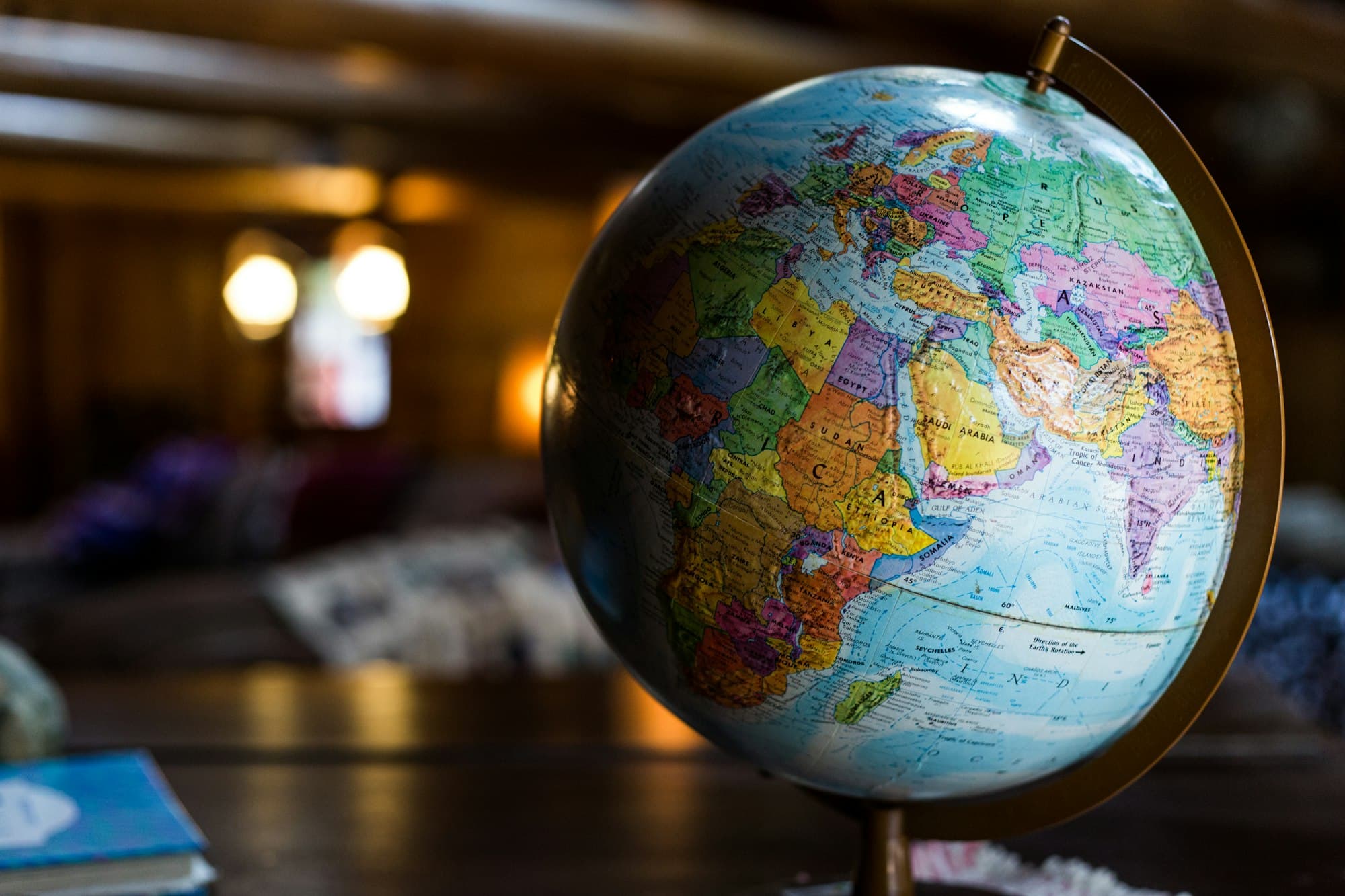
Travel safety isn't about living in fear—it's about being prepared, aware, and confident. Whether you're exploring bustling cities or remote wilderness, the right precautions can mean the difference between a memorable adventure and a travel nightmare.
After helping thousands of travelers plan safe journeys through our Trip Time Calculator, we've learned that the safest travelers aren't the most cautious—they're the most prepared. Smart planning and situational awareness prevent most travel problems before they start.
This comprehensive guide covers everything from pre-trip preparation to emergency response. Whether you're a solo female traveler, a family with children, or a business traveler, these proven safety strategies will help you travel with confidence and peace of mind.
Safety Essentials Checklist
- ✓ Research destination safety conditions
- ✓ Register with your embassy
- ✓ Get comprehensive travel insurance
- ✓ Create document backup system
- ✓ Plan safe routes with our calculators
Preparing Before You Travel — Research and Documentation
Safe travel begins long before you pack your bags. Thorough preparation and research are your first lines of defense against potential problems. Understanding your destination's safety landscape helps you make informed decisions and avoid unnecessary risks.
Destination Safety Research
Start with official government travel advisories from the U.S. Department of State or your country's foreign ministry. These provide current information about political stability, crime rates, health risks, and natural disasters.
Pro Tip: Use Multiple Planning Tools
Combine our Distance Calculator with the Time Calculator to plan safe routes and avoid traveling through high-risk areas during dangerous hours.
Essential Documentation Strategy
Your documents are your lifeline abroad. Create multiple backup systems and ensure all paperwork is current and accessible. Register with your embassy's travel program for emergency assistance and updates.
- Passport valid for 6+ months beyond travel dates
- Visa requirements and processing documentation
- Travel insurance policy with emergency contact numbers
- Emergency contact list with local embassy information
- Medical information and prescription details
- Bank and credit card emergency contact numbers
Travel Insurance — Your Safety Net
Comprehensive travel insurance isn't optional—it's essential. Medical emergencies abroad can cost tens of thousands of dollars, and evacuation services can exceed $100,000. Choose policies that cover medical expenses, evacuation, trip cancellation, and personal liability.

Use our Cost Calculator to budget for comprehensive insurance coverage. The cost is minimal compared to potential medical expenses or emergency evacuation fees.
Airport and Flight Safety Tips — Secure Transit
Airports and flights present unique security challenges. From protecting your luggage to avoiding common scams, smart travelers know how to navigate these environments safely while maintaining their guard against opportunistic criminals.
Luggage and Belongings Security
Never leave luggage unattended, even for a moment. Use TSA-approved locks and consider luggage with built-in security features. Keep valuables, medications, and important documents in your carry-on bag.
Carry-On Essentials
- • Passport and travel documents
- • Prescription medications
- • Electronics and chargers
- • Change of clothes
- • Important contact information
- • Cash and backup payment cards
- • Travel insurance documents
- • Emergency contact details
Airport Security Tips
- • Arrive early for security screening
- • Keep documents easily accessible
- • Be aware of pickpockets in crowds
- • Don't accept packages from strangers
- • Report suspicious behavior immediately
- • Use official transportation services
- • Avoid sharing personal information
- • Stay alert in transit areas
Avoiding Airport and Transit Scams
Common airport scams include fake taxi services, overpriced currency exchange, and distraction theft. Research official transportation options before arrival and use our Flight Calculator to plan connections with adequate buffer time.
"The safest travelers are those who look confident and prepared. Criminals target people who appear lost, confused, or distracted. Simple awareness and preparation deter most opportunistic crimes."— Maria Rodriguez, International Security Consultant
Health and Hygiene While Traveling — Stay Healthy
Travel health goes beyond vaccinations. From food safety to staying hydrated, maintaining good health practices protects you from illness that could derail your trip and compromise your safety in unfamiliar environments.
Pre-Travel Health Preparation
Visit a travel medicine clinic 4-6 weeks before departure. Specialists provide destination-specific advice, required vaccinations, and preventive medications. The World Health Organization offers current health advisories for international travelers.
Travel Health Kit Essentials
- 1. Prescription medications (extra supply)
- 2. Basic first-aid supplies and bandages
- 3. Hand sanitizer and disinfecting wipes
- 4. Thermometer and pain relievers
- 5. Anti-diarrheal and rehydration salts
- 6. Insect repellent and sunscreen
- 7. Water purification tablets
- 8. Emergency contact and medical information
Food and Water Safety
Foodborne illness is one of the most common travel health problems. Follow the "boil it, cook it, peel it, or forget it" rule. Drink bottled or properly purified water, avoid ice in drinks, and eat at busy, reputable establishments where food turnover is high.
Research local food safety standards and common health risks at your destination. Some regions have specific concerns like altitude sickness, tropical diseases, or water contamination that require special precautions.
Managing Chronic Conditions
Travelers with chronic conditions need extra preparation. Carry sufficient medications, medical documentation, and emergency contact information for healthcare providers. Consider medical alert jewelry and research healthcare facilities at your destination.
Digital and Cyber Safety — Protect Your Information
Digital security is as important as physical safety. From protecting your personal information to avoiding online scams, smart digital practices prevent identity theft and financial fraud while traveling.
Secure Wi-Fi and Internet Usage
Public Wi-Fi networks are convenient but dangerous. Use a reputable VPN service to encrypt your internet connection, avoid accessing sensitive accounts on public networks, and turn off automatic Wi-Fi connections on your devices.
Device and Data Protection
Enable device encryption, use strong passwords or biometric locks, and keep software updated with the latest security patches. Back up important data before travel and store copies in secure cloud storage.
- Enable automatic device locking and encryption
- Use two-factor authentication on all accounts
- Avoid banking and shopping on public Wi-Fi
- Keep devices updated with security patches
- Use official app stores for downloads
- Monitor accounts for suspicious activity
Digital Scam Alert
Be wary of fake Wi-Fi networks, phishing emails targeting travelers, and romance scams on dating apps. Criminals often target tourists who may be more trusting or distracted while traveling.
Personal Security and Awareness — Stay Alert
Personal security depends on situational awareness and smart decision-making. Understanding local crime patterns, trusting your instincts, and maintaining a low profile help you avoid becoming a target for theft or other crimes.
Situational Awareness Techniques
Stay alert to your surroundings, especially in crowded areas, tourist zones, and transportation hubs. Avoid displaying expensive electronics, jewelry, or large amounts of cash. Dress appropriately for local customs and try to blend in with the local population.
Use our Driving Calculator to plan safe routes and avoid high-crime areas, especially when traveling at night or in unfamiliar locations.
Theft Prevention Strategies
Use hotel safes for valuables, carry only what you need for the day, and keep backup cards and cash in separate locations. Consider using a money belt or hidden wallet for important documents and emergency funds.
Trust Your Instincts
If a situation feels wrong, remove yourself immediately. Your intuition is often your best defense against dangerous situations.
Remember: It's better to be rude and safe than polite and sorry. Don't worry about offending someone if you feel threatened.
Transportation Safety
Use official transportation services, research reputable taxi companies, and consider ride-sharing apps with tracking features. Avoid hitchhiking, unlicensed taxis, and traveling alone in remote areas, especially at night.
Safety for Families and Female Travelers — Special Considerations
Families and solo female travelers face unique safety challenges that require additional preparation and awareness. Understanding cultural norms, planning child-friendly activities, and taking extra security precautions ensure safe and enjoyable travel experiences.
Solo Female Travel Safety
Research women's safety at your destination, including cultural norms about dress and behavior. Stay in well-reviewed accommodations, share your itinerary with trusted contacts, and consider joining group tours or activities to meet other travelers safely.
Female Travel Safety Tips
- • Research local customs and dress codes
- • Stay in well-lit, populated areas
- • Trust your instincts about people and situations
- • Carry a whistle or personal alarm
- • Learn basic phrases in the local language
- • Keep emergency contacts easily accessible
Family Travel Safety
- • Teach children about stranger danger
- • Use identification bracelets for young children
- • Plan child-friendly routes and activities
- • Pack extra medications and supplies
- • Research pediatric healthcare options
- • Establish meeting points if separated
Cultural Awareness and Respect
Understanding local customs, religious practices, and social norms helps you avoid unintentional offense and reduces the risk of confrontation. Research appropriate dress codes, tipping customs, and behavioral expectations before arrival.
Emergency Preparation and Contacts — When Things Go Wrong
Even the best-prepared travelers can face emergencies. Having a clear action plan, emergency contacts, and knowledge of local resources can make the difference between a minor inconvenience and a major crisis.
Emergency Action Plan
Create a written emergency plan that includes local emergency numbers, embassy contacts, insurance information, and steps to take in various scenarios. Share this plan with family or friends at home and keep copies in multiple locations.
Emergency Response Steps
- 1. Ensure immediate safety - Remove yourself from danger
- 2. Contact local emergency services - Call police, medical, or fire services
- 3. Notify your embassy or consulate - They can provide assistance and guidance
- 4. Contact travel insurance provider - Report the incident and get authorization for expenses
- 5. Inform family or emergency contacts - Keep them updated on your situation
- 6. Document everything - Take photos, get police reports, keep all receipts
Embassy and Consular Services
Register with your country's embassy or consulate upon arrival, especially for extended stays. They can assist with lost passports, legal issues, medical emergencies, and evacuation during natural disasters or political unrest.
The U.S. State Department provides 24/7 emergency assistance for American citizens abroad. Other countries offer similar services through their foreign ministries.
Travel Safety Apps and Resources
Download essential safety apps before travel, including emergency services apps, translation tools, and location-sharing apps. Consider apps that work offline in case of limited internet connectivity.
Essential Safety Apps
- • Smart Traveler (U.S. State Department)
- • What3Words (precise location sharing)
- • Google Translate (offline mode)
- • First Aid by Red Cross
- • SkyAlert (natural disaster warnings)
- • TripWhistle Global SOS
Trip Time Calculator Tools
- • Distance Calculator - Plan safe routes
- • Driving Calculator - Avoid dangerous areas
- • Time Calculator - Plan daylight travel
- • Cost Calculator - Budget for safety
- • Flight Calculator - Safe connections
Prevention is Key
Most travel emergencies are preventable with proper planning and awareness. The time spent preparing for potential problems is always less than the time spent dealing with actual emergencies.
Final Thoughts — Travel with Confidence
Travel safety isn't about avoiding adventure—it's about being prepared for it. The most confident travelers are those who have planned for various scenarios while remaining flexible enough to adapt when plans change.
Remember that most travelers never experience serious safety issues. The vast majority of trips are safe and enjoyable when you follow basic precautions and stay aware of your surroundings. Trust your instincts, stay prepared, and don't let fear prevent you from exploring the world.
Your Safety Action Plan
- 1. Research your destination's current safety conditions
- 2. Use our Trip Time Calculator to plan safe routes and timing
- 3. Get comprehensive travel insurance and register with your embassy
- 4. Create document backups and emergency contact lists
- 5. Pack safety essentials and download important apps
- 6. Stay alert, trust your instincts, and enjoy your journey
Safe travel is smart travel. With proper preparation, situational awareness, and the right tools, you can explore the world with confidence and peace of mind. Your adventures are waiting—travel safely!
Last Updated: November 2025