Things to Do in Aruba
Explore the best things to do in Aruba — from pristine beaches and water adventures to cultural landmarks and unforgettable island experiences.
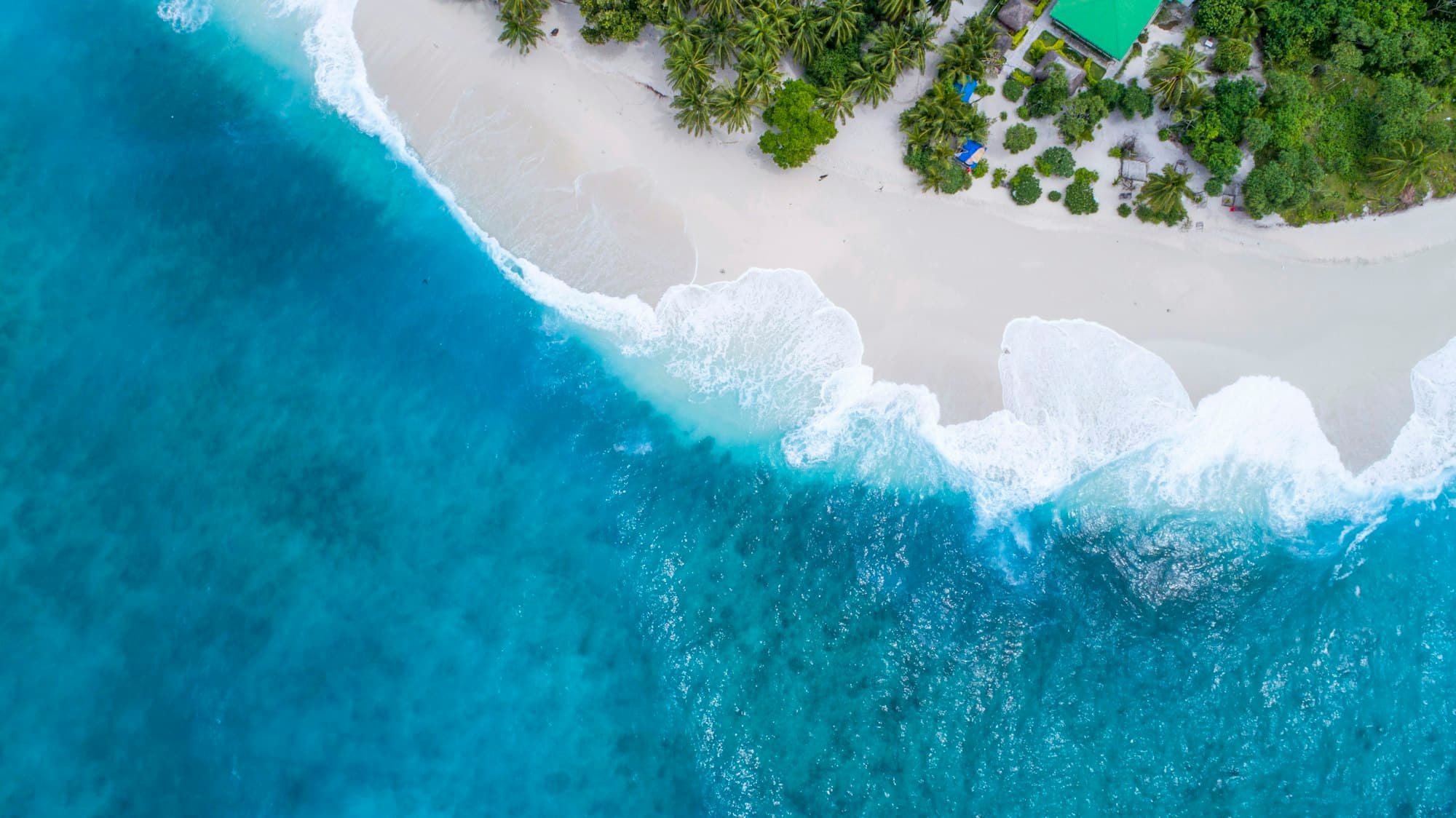
Welcome to Aruba, the jewel of the Caribbean! This stunning Dutch Caribbean island offers everything you could want in a tropical paradise: pristine white-sand beaches with crystal-clear turquoise waters, year-round perfect weather, world-class snorkeling and diving, and a unique blend of Caribbean warmth and European sophistication. Located just 15 miles off the coast of Venezuela, Aruba sits outside the hurricane belt, making it one of the most reliable vacation destinations in the Caribbean.
What sets Aruba apart is its remarkable diversity. Beyond the famous beaches like Eagle Beach and Palm Beach, you'll discover the rugged desert landscapes of Arikok National Park, the dramatic Natural Pool (Conchi) carved into volcanic rock, colorful Dutch colonial architecture in Oranjestad, and some of the Caribbean's best shipwreck diving. The island's compact size (20 miles long, 6 miles wide) means you can experience multiple attractions in a single day without feeling rushed.
This comprehensive guide covers everything you need to plan the perfect Aruba vacation. Use our driving time calculator to plan your island routes, our distance calculator to estimate travel between attractions, and our cost calculator to budget your trip. Let's explore the best things to do in Aruba!
Best Beaches in Aruba

Aruba's beaches are consistently ranked among the world's best, and for good reason. The island's western and southern coasts feature calm, crystal-clear waters perfect for swimming, while the rugged northern coast offers dramatic scenery. Each beach has its own character and appeal. For more Caribbean beach destinations, check out our guide to things to do in San Juan, Puerto Rico.
Eagle Beach
Why Visit: Consistently ranked among the world's best beaches | Best For: Swimming, sunbathing, photography
Eagle Beach is Aruba's crown jewel and one of the Caribbean's most beautiful beaches. This expansive stretch of powdery white sand and calm turquoise waters offers plenty of space even during peak season. The beach is famous for its iconic fofoti (divi-divi) trees, dramatically bent by constant trade winds, creating perfect photo opportunities.
The water is incredibly clear and calm, ideal for swimming and floating. Eagle Beach is also a protected nesting site for sea turtles (March-September), and you might spot nests marked with protective barriers. The beach has fewer high-rise resorts than Palm Beach, maintaining a more natural, peaceful atmosphere. Arrive early to claim a palapa (thatched umbrella) or bring your own beach umbrella. Several beach bars and restaurants are within walking distance.
Palm Beach
Why Visit: Vibrant atmosphere with water sports and amenities | Best For: Water sports, dining, nightlife
Palm Beach is Aruba's most developed beach area, lined with high-rise resorts, restaurants, bars, and shops. The wide beach features soft white sand and calm, clear waters perfect for swimming. This is the hub for water sports activities including parasailing, jet skiing, paddleboarding, and banana boat rides.
The beach has a lively, social atmosphere with beach bars serving tropical drinks and food. You'll find plenty of lounge chairs, palapas, and water sports operators. The sunset views are spectacular, with many beachfront restaurants offering sunset dining. While more crowded than Eagle Beach, Palm Beach offers convenience and entertainment. The adjacent shopping and dining district makes it easy to spend an entire day here.
Baby Beach
Why Visit: Shallow, calm lagoon perfect for families | Best For: Families with young children, snorkeling
Baby Beach, located at Aruba's southeastern tip, features a protected lagoon with incredibly shallow, calm water—perfect for young children and nervous swimmers. The crescent-shaped beach is surrounded by a natural barrier reef that keeps the water calm and clear. The shallow water extends far from shore, allowing kids to wade and play safely.
Beyond the lagoon, the outer reef offers excellent snorkeling with colorful fish and coral formations. The beach is less developed than Palm or Eagle Beach, with a more local, laid-back vibe. Facilities include a beach bar, restrooms, and palapa rentals. The 30-minute drive from the hotel areas means fewer crowds. Bring snorkeling gear, sunscreen, and snacks. The calm conditions make this ideal for stand-up paddleboarding and kayaking.
Arashi Beach
Why Visit: Excellent snorkeling and peaceful atmosphere | Best For: Snorkeling, swimming, escaping crowds
Arashi Beach, located near the California Lighthouse on Aruba's northwestern tip, offers a more secluded beach experience. The beach features soft white sand, clear turquoise water, and excellent snorkeling along the rocky areas at both ends. The reef here is home to colorful tropical fish, sea turtles, and occasionally rays.
The beach is less crowded than Palm or Eagle Beach, attracting locals and visitors seeking tranquility. Facilities are minimal—a few palapas and basic amenities—so bring everything you need. The nearby California Lighthouse provides a scenic backdrop and is worth visiting for panoramic island views. Arrive early for the best palapa spots. The calm waters and gentle slope make it suitable for families, while the snorkeling appeals to underwater enthusiasts.
Boca Catalina
Why Visit: Small, intimate beach with great snorkeling | Best For: Snorkeling, couples, small groups
Boca Catalina is a small, picturesque beach just south of Arashi Beach. This intimate cove features calm, crystal-clear water and excellent snorkeling right from shore. The rocky areas harbor diverse marine life including parrotfish, angelfish, and sea turtles. The beach's small size creates a cozy, private atmosphere. Limited parking means it never gets too crowded. Bring your own shade and refreshments as facilities are minimal. The combination of easy snorkeling access and peaceful setting makes this a favorite among locals and repeat visitors.
Beach Safety Tips
- The Caribbean sun is intense—apply SPF 50+ sunscreen every 2 hours, even on cloudy days
- Drink plenty of water to stay hydrated in the tropical heat
- Avoid the northern coast beaches for swimming—strong currents and rough waves make them dangerous
- Watch for sea urchins in rocky areas—wear water shoes when snorkeling
- Respect turtle nesting areas (marked with signs) from March to September
- Most beaches have limited shade—bring or rent a palapa/umbrella
- Apply reef-safe sunscreen to protect Aruba's coral ecosystems
Water Activities & Adventures
Aruba's crystal-clear waters and diverse marine ecosystems make it a paradise for water activities. From world-class snorkeling and diving to thrilling water sports, there's something for every water enthusiast. Use our time calculator to plan your water activity schedule.
Snorkeling & Scuba Diving
Best Sites: Antilla Shipwreck, Mangel Halto, Boca Catalina | Cost: Snorkel tours $40-70, Dive trips $80-150
Aruba offers exceptional snorkeling and diving with visibility often exceeding 100 feet. The island's calm western coast features numerous accessible snorkel sites right from shore, while boat trips reach deeper reefs and famous shipwrecks. The Antilla Shipwreck, a 400-foot German freighter sunk in 1940, is one of the Caribbean's largest and most accessible wreck dives.
Popular snorkel sites include Mangel Halto (mangrove-protected bay with diverse marine life), Boca Catalina (easy shore access with turtles and tropical fish), and Arashi Beach (rocky reef areas). Diving highlights include the Pedernales Wreck (oil tanker broken into sections), Jane Sea Wreck (cement freighter), and numerous coral reef sites.
Many operators offer guided snorkel tours, often combined with sailing or catamaran cruises. Diving certification courses are available for beginners, while experienced divers can explore advanced sites. The water temperature stays around 80°F year-round, requiring only a thin wetsuit or rash guard. Marine life includes sea turtles, rays, octopus, moray eels, and hundreds of tropical fish species.
Catamaran Cruises & Sailing
Duration: Half-day (4 hours) or full-day (7-8 hours) | Cost: $60-120 per person
Catamaran cruises are among Aruba's most popular activities, combining sailing, snorkeling, and relaxation. Most cruises sail along the calm western coast, stopping at prime snorkel sites and secluded beaches. The spacious catamarans feature shaded areas, open decks for sunbathing, and often include open bars and lunch.
Sunset cruises are particularly romantic, offering spectacular views as the sun dips into the Caribbean Sea. Many cruises visit the Antilla Shipwreck for snorkeling, stop at secluded beaches, and provide snorkel gear, instruction, and refreshments. The smooth sailing and stable platforms make catamarans ideal for families and those prone to seasickness. Book in advance during peak season, and choose morning cruises for the calmest seas and best snorkeling visibility.
Submarine Tours
Duration: 2 hours total (45-minute dive) | Cost: $100-130 per person | Depth: 130 feet
Atlantis Submarines offers a unique underwater experience without getting wet. The air-conditioned submarine descends to 130 feet, providing views of coral reefs, shipwrecks, and marine life through large viewing windows. This is perfect for non-swimmers, families with young children, or anyone wanting to experience the underwater world comfortably. The tour includes a boat ride to the submarine, the dive itself, and narration about the marine ecosystem. You'll see the Antilla Shipwreck and Barcadera Reef teeming with fish, rays, and sea turtles.
Water Sports
Activities: Jet skiing, parasailing, paddleboarding, kayaking, kitesurfing | Location: Primarily Palm Beach
Palm Beach is the hub for water sports, with numerous operators offering equipment rentals and guided experiences. Jet skiing tours explore the coastline and visit snorkel sites ($80-120 for 1-2 hours). Parasailing provides bird's-eye views of the island and turquoise waters ($70-90 per person). Stand-up paddleboarding (SUP) and kayaking offer peaceful ways to explore the calm waters ($25-40 per hour).
Aruba's consistent trade winds make it a world-class kitesurfing and windsurfing destination. Fisherman's Huts and Boca Grandi are popular spots for these sports. Lessons and equipment rentals are available for all skill levels. The steady winds (15-25 mph) and flat water conditions create ideal learning environments. Many resorts offer complimentary kayaks, paddleboards, and snorkel gear for guests.
Deep-Sea Fishing
Duration: Half-day (4 hours) or full-day (8 hours) | Cost: $400-800 per boat (up to 6 people)
Aruba's deep waters offer excellent sport fishing opportunities. Target species include marlin, sailfish, wahoo, mahi-mahi, tuna, and barracuda. Charter boats depart from various marinas and include all equipment, bait, and often refreshments. Experienced captains know the best fishing grounds and provide instruction for beginners. Most charters practice catch-and-release for billfish while allowing you to keep other species. Some restaurants will cook your catch for dinner—a true "hook to table" experience.
Outdoor & Nature Experiences
Beyond the beaches, Aruba's interior reveals a surprising landscape of desert terrain, dramatic rock formations, and unique ecosystems. The island's natural attractions showcase its volcanic origins and diverse flora and fauna. Similar to outdoor adventures in Sedona, Arizona, Aruba offers rugged natural beauty.
Arikok National Park
Size: 7,907 acres (20% of the island) | Entry Fee: $11 per person | Hours: 8 AM - 4 PM daily
Arikok National Park protects Aruba's rugged interior and northern coastline, showcasing the island's natural diversity. The park features desert landscapes with cacti and divi-divi trees, limestone formations, volcanic rock, caves with ancient petroglyphs, and dramatic coastal cliffs. This is a completely different side of Aruba from the resort beaches.
Key attractions within the park include the Natural Pool (Conchi), Fontein Cave (with Arawak Indian drawings), Quadirikiri Cave (with natural skylights), and Dos Playa (dramatic beach with crashing waves). The park has several hiking trails ranging from easy walks to challenging climbs. The Cunucu Arikok Trail leads to the park's highest point with panoramic views.
A 4x4 vehicle is highly recommended for exploring the park's rough roads, especially to reach the Natural Pool. Alternatively, join a guided jeep or ATV tour. Bring plenty of water, sunscreen, sturdy shoes, and snacks—facilities are minimal. The visitor center near the entrance provides maps, information, and exhibits about the park's ecology and history. Allow at least half a day to explore the park's highlights.
Natural Pool (Conchi)
Location: Within Arikok National Park | Access: 4x4 vehicle or guided tour required
The Natural Pool, locally called "Conchi," is one of Aruba's most iconic natural attractions. This pool is carved into volcanic rock on the rugged northern coast, protected from the crashing Atlantic waves by a natural barrier. The pool fills with seawater that splashes over the rocks, creating a unique swimming experience.
Reaching the Natural Pool requires navigating rough, rocky terrain—a 4x4 vehicle is essential. The bumpy 30-minute drive from the park entrance is an adventure itself. Many visitors opt for guided jeep or ATV tours that include the Natural Pool along with other park highlights. The pool can get crowded during midday, so arrive early morning or late afternoon for a more peaceful experience.
Swimming in the Natural Pool is exhilarating but requires caution. Waves occasionally crash over the barrier, creating strong currents. Hold onto the rocks and be aware of your surroundings. The dramatic coastal scenery and unique swimming experience make this a must-visit attraction. Bring water shoes, as the volcanic rock can be sharp. Don't forget your waterproof camera for spectacular photos!
California Lighthouse
Location: Northwestern tip of Aruba | Entry Fee: $5 to climb | Best Time: Sunset
The California Lighthouse, named after the steamship California that wrecked nearby in 1891, stands on Aruba's northwestern tip. This iconic stone lighthouse offers panoramic 360-degree views of the island, coastline, and Caribbean Sea. Climb the spiral staircase to the top for breathtaking vistas. The surrounding area features walking paths through desert landscape with cacti and divi-divi trees. Sunset is the most popular time to visit, with the lighthouse silhouetted against colorful skies. The nearby Arashi Beach is perfect for a post-lighthouse swim.
Ayo and Casibari Rock Formations
Location: Central Aruba | Entry Fee: Free | Time Needed: 30-60 minutes each
These massive diorite rock formations rise dramatically from Aruba's flat landscape, creating unique geological landmarks. Ayo Rock Formations feature ancient Arawak petroglyphs carved into the boulders, along with trails winding between the rocks. Casibari Rock Formations offer stairs and pathways leading to the top, providing panoramic island views. Both sites showcase Aruba's volcanic origins and offer excellent photo opportunities. Visit early morning or late afternoon to avoid midday heat. The formations are easily accessible by car and make great stops when exploring the island's interior.
Butterfly Farm
Location: Near Palm Beach | Cost: $16 adults, $8 children | Duration: 30-45 minutes
The Butterfly Farm is a delightful attraction featuring hundreds of colorful butterflies from around the world in a tropical garden setting. Walk through the enclosed garden as butterflies flutter around you, landing on flowers and occasionally on visitors. Knowledgeable guides provide fascinating information about butterfly life cycles, behavior, and conservation. The farm is especially popular with families and makes a perfect morning activity before heading to the beach. Your ticket includes unlimited return visits during your stay, so you can watch butterflies emerge from chrysalises on different days.
Donkey Sanctuary
Location: Santa Lucia | Entry: Free (donations appreciated) | Hours: 9 AM - 4 PM daily
The Donkey Sanctuary Aruba cares for over 130 rescued donkeys, descendants of animals brought to the island centuries ago for transportation. Visitors can interact with these gentle, friendly donkeys, feed them carrots (provided), and learn about their history and care. The sanctuary operates entirely on donations and provides a heartwarming experience, especially for children. The donkeys are accustomed to visitors and love attention. This is a unique, off-the-beaten-path attraction that supports a worthy cause while offering memorable animal encounters.
Cultural & Historical Attractions
Aruba's rich cultural heritage blends Dutch colonial influence, Caribbean warmth, and indigenous Arawak history. The island's capital and historic sites offer insights into its fascinating past and vibrant present. For more cultural Caribbean experiences, explore our guide to things to do in New Orleans.
Oranjestad (Capital City)
Highlights: Dutch colonial architecture, shopping, dining, museums | Time Needed: Half day to full day
Oranjestad, Aruba's charming capital, showcases colorful Dutch colonial architecture with Caribbean flair. The city center features pastel-colored buildings, cobblestone streets, and waterfront promenades. Main Street (Caya G.F. Betico Croes) is the primary shopping district with duty-free stores, boutiques, and souvenir shops.
Key attractions include Fort Zoutman (Aruba's oldest building, built in 1798), the Historical Museum showcasing island history, and Renaissance Marketplace with shops and restaurants. The Aruba Aloe Factory & Museum offers tours explaining the island's aloe vera industry. The waterfront area features the colorful Royal Plaza Mall and Renaissance Marina.
Oranjestad is easily walkable, with most attractions concentrated in the downtown area. The free Arubus public transportation connects the city to hotel areas. Visit on Tuesday evenings for the Bon Bini Festival at Fort Zoutman, featuring local music, dance, food, and crafts. The city is especially photogenic with its vibrant architecture and tropical landscaping.
Alto Vista Chapel
Location: Northern Aruba | Entry: Free | Best Time: Morning or late afternoon
Alto Vista Chapel, a small yellow Catholic chapel on a hilltop, is one of Aruba's most photographed landmarks. Built in 1750 and rebuilt in 1952, this peaceful chapel offers panoramic views of the northern coastline and desert landscape. The approach features white crosses marking the "Stations of the Cross" along the winding road. The chapel's simple beauty and serene setting make it a popular spot for quiet reflection and photography. The surrounding area showcases Aruba's rugged interior with cacti and divi-divi trees. Combine your visit with nearby Arashi Beach or the California Lighthouse.
San Nicolas (Sunrise City)
Location: Southeastern Aruba | Highlights: Street art, local culture, Baby Beach nearby
San Nicolas, Aruba's second-largest city, offers an authentic local experience away from the resort areas. The town has transformed into an open-air art gallery through the Aruba Art Fair, with vibrant murals covering buildings throughout the downtown area. The street art showcases local and international artists, creating a colorful, Instagram-worthy environment. San Nicolas also features local restaurants serving traditional Aruban cuisine, small shops, and a more laid-back Caribbean atmosphere. The town is near Baby Beach, making it easy to combine cultural exploration with beach time. Visit during the annual Aruba Art Fair (usually in November) to see artists at work and enjoy live music and food.
Archaeological Museum of Aruba
Location: Oranjestad | Entry: Free | Hours: Tuesday-Friday 10 AM - 5 PM
This small but informative museum showcases Aruba's indigenous Arawak heritage and archaeological discoveries. Exhibits include pottery, tools, petroglyphs, and artifacts dating back over 4,000 years. Learn about the Caquetio Indians who inhabited Aruba before European colonization. The museum provides context for the petroglyphs you'll see at Ayo Rock Formations and in Arikok National Park caves. It's a quick, air-conditioned cultural stop that enriches your understanding of the island's history.
Cultural Tips
- Arubans speak Papiamento (local Creole language), Dutch, Spanish, and English—most locals are multilingual
- The official currency is the Aruban Florin (AWG), but US dollars are widely accepted
- Tipping is appreciated: 15-20% at restaurants, $1-2 per drink at bars, $2-5 per bag for porters
- Aruba is very safe, but use common sense with valuables and avoid isolated areas at night
- The island has a relaxed, friendly atmosphere—"Bon Bini" means "welcome" in Papiamento
- Dress is casual, but some upscale restaurants require resort casual attire (no swimwear)
Family-Friendly Things to Do in Aruba
Aruba is an excellent family destination with safe beaches, kid-friendly activities, and attractions suitable for all ages. The island's compact size and reliable weather make family vacation planning stress-free. Check our family travel tips for more advice.
Best Family Beaches
Baby Beach tops the list for families with its shallow, calm lagoon perfect for young children. Kids can wade far from shore in knee-deep water while parents relax nearby. Arashi Beach offers calm swimming and easy snorkeling for older children. Eagle Beach provides plenty of space for sandcastle building and beach games. Most family-friendly beaches have palapas for shade and nearby facilities.
Philip's Animal Garden
Cost: $15 adults, $10 children | Duration: 1-2 hours | Best For: Animal-loving families
This private zoo and rescue center houses over 50 species of exotic animals including monkeys, parrots, snakes, iguanas, and more. The intimate setting allows close encounters with many animals. The owner, Philip, provides personal tours sharing stories about each animal's rescue and care. Children love the hands-on experience and learning about animal conservation. It's a unique, educational activity that supports animal welfare.
De Palm Island
Cost: $99-139 per person (all-inclusive) | Duration: Full day | Includes: Ferry, meals, activities
De Palm Island is a private island offering an all-inclusive day of family fun. The package includes round-trip ferry, unlimited food and drinks, snorkeling, water park with slides, beach access, and various water sports. The calm, shallow snorkel area is perfect for children learning to snorkel. The water park features slides and splash areas for different age groups. Parents can relax on the beach while kids play safely in the supervised areas. It's an easy, hassle-free day of entertainment for the whole family.
Atlantis Submarines
The submarine tour is perfect for families, allowing everyone to experience the underwater world without swimming. Children are fascinated by the fish, coral, and shipwrecks visible through the large windows. The air-conditioned comfort and narrated tour keep kids engaged. It's an educational experience that sparks interest in marine biology and ocean conservation.
Mini Golf & Go-Karts
Several entertainment centers offer mini golf and go-kart racing. Glow in Aruba features glow-in-the-dark mini golf with Aruba-themed holes. Kukoo Kunuku offers go-kart racing for kids and adults. These activities provide fun alternatives to beach time and work well for late afternoon or evening entertainment.
Family Travel Tips for Aruba
- Most resorts offer kids' clubs with supervised activities and entertainment
- Rent snorkel gear at your resort or local shops—buying is expensive and unnecessary
- Bring reef-safe sunscreen (SPF 50+) and apply frequently—the Caribbean sun is intense
- Pack water shoes for rocky beach areas and protection from sea urchins
- Many restaurants offer kids' menus with familiar options alongside local cuisine
- The island is very safe, but supervise children near water and on busy roads
- Book family-friendly tours in advance, especially during peak season (December-April)
Romantic Things to Do in Aruba
Aruba's stunning beaches, perfect weather, and romantic atmosphere make it a top honeymoon and couples' destination. From sunset cruises to private beach dinners, the island offers countless ways to celebrate love and create lasting memories.
Sunset Sailing Cruises
Duration: 2-3 hours | Cost: $60-100 per person | Best Time: Evening departure
Sunset sailing cruises are quintessentially romantic Aruba experiences. Sail along the calm western coast as the sun sets over the Caribbean, painting the sky in brilliant oranges, pinks, and purples. Most cruises include open bar, appetizers or dinner, and live music. The gentle rocking of the catamaran, warm tropical breeze, and spectacular views create an unforgettable romantic atmosphere. Some operators offer private charters for ultimate intimacy. Book a cruise early in your trip—if you love it, you can go again!
Private Beach Dinners
Cost: $200-500+ per couple | Booking: Through resorts or specialized companies
Several resorts and companies arrange private beach dinners with tables set up on the sand, complete with candles, tiki torches, and personalized service. Enjoy a multi-course meal with your toes in the sand and the sound of waves as your soundtrack. Some packages include champagne, flowers, and photography. This is perfect for proposals, anniversaries, or simply celebrating your relationship. The combination of gourmet cuisine, beachfront setting, and privacy creates an incredibly romantic experience.
Couples' Spa Experiences
Cost: $300-600+ per couple | Duration: 2-4 hours | Location: Resort spas
Aruba's luxury resorts feature world-class spas offering couples' treatments in private suites or beachfront cabanas. Packages typically include side-by-side massages, body treatments, facials, and access to spa facilities like saunas and relaxation areas. Some spas offer outdoor treatments with ocean views or in tropical garden settings. The Spa Cove at Renaissance Island provides unique overwater treatment rooms. Book spa appointments early in your stay to secure preferred times and treatments.
Horseback Riding on the Beach
Duration: 1.5-2 hours | Cost: $80-120 per person | Best Time: Sunset rides
Horseback riding along Aruba's beaches offers a romantic adventure. Sunset rides are especially magical, with horses walking through shallow water as the sun sets over the Caribbean. Most tours accommodate all experience levels, from beginners to experienced riders. The combination of majestic horses, beautiful beaches, and golden hour lighting creates stunning photo opportunities and unforgettable memories. Some tours include stops at scenic viewpoints or the Natural Pool area.
Romantic Restaurants
Aruba boasts numerous romantic dining options with oceanfront settings and excellent cuisine. Top choices include:
- Passions on the Beach: Feet-in-the-sand dining at Renaissance Island
- Flying Fishbone: Tables literally in the water at the ocean's edge
- Screaming Eagle: Intimate fine dining with creative cuisine
- Papiamento Restaurant: Romantic garden setting in a historic cunucu house
- The Old Cunucu House: Charming traditional Aruban home converted to restaurant
Make reservations well in advance, especially for sunset tables. Request beachfront or oceanview seating when booking. Many restaurants offer special packages for anniversaries and proposals.
Renaissance Island (Flamingo Beach)
Access: Renaissance Resort guests or day pass ($125) | Highlight: Pink flamingos on private beach
Renaissance Island features the famous Flamingo Beach where pink flamingos roam freely on white sand. This unique experience is incredibly photogenic and romantic. The private island also offers Iguana Beach, restaurants, bars, and water sports. Day passes are limited and sell out quickly—book online in advance. The island provides a secluded, tropical paradise experience perfect for couples. The flamingos are friendly and accustomed to visitors, creating memorable photo opportunities.
Things to Do in Aruba at Night
Aruba's nightlife offers something for everyone, from lively casinos and beach bars to romantic evening strolls and cultural experiences. The island comes alive after dark with entertainment, dining, and activities. Similar to the vibrant nightlife in Nashville, Aruba offers diverse evening entertainment.
Casinos
Aruba features numerous casinos, mostly located in high-rise resorts along Palm Beach. The casinos offer slot machines, table games (blackjack, roulette, poker, craps), and often live entertainment. Popular casinos include the Stellaris Casino (Marriott), Alhambra Casino, and Casino at the Ritz-Carlton. Most casinos are open late (until 2-4 AM) and have relaxed dress codes. Many offer free drinks while you're playing. Even if you're not a gambler, the casinos provide air-conditioned entertainment and people-watching opportunities.
Beach Bars & Live Music
Palm Beach's beachfront bars offer relaxed evening atmospheres with live music, tropical drinks, and ocean breezes. Bugaloe Beach Bar & Grill features nightly live music and a fun, casual vibe. MooMba Beach Bar is known for its lively atmosphere and beachfront location. Many beach bars host special events like full moon parties and themed nights. The combination of live music, sand between your toes, and Caribbean cocktails creates the perfect tropical evening.
Kukoo Kunuku Party Bus
Duration: 4-5 hours | Cost: $80-100 per person | Includes: Transportation, drinks, multiple stops
The Kukoo Kunuku is Aruba's famous party bus—a colorful, open-air bus that takes groups to multiple bars and restaurants around the island. The tour includes unlimited drinks, dinner, and stops at popular nightlife spots. The energetic guides keep the party going with music, games, and dancing. It's a fun way to experience Aruba's nightlife while meeting other travelers. The tour is popular with groups celebrating special occasions. Book in advance as tours fill up quickly.
Bon Bini Festival
When: Tuesday evenings 6:30-8:30 PM | Location: Fort Zoutman, Oranjestad | Cost: $5-10
The Bon Bini Festival is a weekly cultural celebration featuring traditional Aruban music, dance, food, and crafts. Local performers showcase folkloric dances in colorful costumes, live bands play Caribbean music, and vendors sell local food and handmade crafts. It's an authentic cultural experience that supports local artists and provides insight into Aruban traditions. The festival has a family-friendly atmosphere and offers a taste of local culture beyond the resort areas.
Stargazing
Aruba's clear skies and minimal light pollution (away from resort areas) create excellent stargazing conditions. The northern coast and Arikok National Park offer the darkest skies. Bring a blanket and lie on the beach to watch the stars—you'll see the Milky Way, constellations, and often shooting stars. Some tour operators offer guided stargazing experiences with telescopes and astronomy education. The combination of tropical setting and celestial views creates a romantic, peaceful evening activity.
Nightlife Safety Tips
- Aruba is very safe, but use common sense—don't leave drinks unattended or walk alone in isolated areas
- Taxis are readily available and affordable—use them if you've been drinking
- Most nightlife is concentrated in Palm Beach and Oranjestad, both well-lit and patrolled
- Keep valuables secure and don't carry large amounts of cash
- The legal drinking age is 18, and alcohol is widely available
- Stay hydrated—alternate alcoholic drinks with water in the tropical heat
Best Time to Visit Aruba
Aruba is blessed with year-round excellent weather, earning its nickname "One Happy Island." The island sits outside the hurricane belt and receives minimal rainfall, making it a reliable destination any time of year. However, each season offers different advantages. Check our travel packing list for season-specific recommendations.
Peak Season (December - April)
Weather: 80-85°F, minimal rain, perfect conditions
Crowds: High (busiest season)
Prices: Highest rates
Highlights: Guaranteed excellent weather, festive atmosphere
Peak season offers the most reliable weather with virtually no rain and comfortable temperatures. This is when North Americans escape winter, making it the busiest and most expensive time. Book accommodations 3-6 months in advance. Beaches and popular attractions are crowded, especially during holidays. Despite higher prices, the perfect weather and vibrant atmosphere make it worthwhile for many visitors.
Shoulder Season (April - August)
Weather: 82-88°F, very dry, hot
Crowds: Moderate
Prices: Moderate
Highlights: Great weather, fewer crowds, better value
April through August offers excellent weather with minimal rainfall and the calmest seas. Temperatures are warmer but constant trade winds provide cooling breezes. This is arguably the best time for water activities—diving, snorkeling, and sailing conditions are optimal. Crowds decrease after Easter, and prices drop. You'll find better availability and deals while still enjoying near-perfect weather. The heat is manageable with proper hydration and beach time.
Value Season (September - November)
Weather: 82-88°F, slight chance of rain
Crowds: Low
Prices: Lowest rates (best deals)
Highlights: Budget-friendly, uncrowded beaches
September through November is Aruba's "low season" with the best deals on accommodations and flights. While this coincides with Atlantic hurricane season, Aruba sits outside the hurricane belt and rarely experiences storms. There's a slightly higher chance of rain, but it's usually brief showers rather than all-day rain. Temperatures remain warm, and the island is noticeably less crowded. This is the best time for budget travelers who don't mind occasional rain and want to experience Aruba without the crowds.
Special Events & Festivals
Carnival: January-February (biggest celebration)
Soul Beach Music Festival: May (Memorial Day weekend)
Aruba Hi-Winds: June-July (windsurfing competition)
Aruba's Carnival is one of the Caribbean's most vibrant celebrations, featuring elaborate parades, costumes, music, and street parties. The Soul Beach Music Festival attracts international R&B and hip-hop artists. The Hi-Winds competition showcases world-class windsurfers and kitesurfers. These events add cultural richness but also increase crowds and prices. Book well in advance if visiting during major festivals.
Weather Quick Facts
- Average Temperature: 82°F (28°C) year-round—remarkably consistent
- Annual Rainfall: Only 20 inches (one of the Caribbean's driest islands)
- Hurricane Risk: Minimal—Aruba sits outside the hurricane belt
- Trade Winds: Constant 15-20 mph winds provide natural cooling
- Water Temperature: 78-82°F year-round—always comfortable for swimming
- Sunshine: 300+ days of sunshine annually
- Rainy Season: October-November (but still minimal rain compared to other Caribbean islands)
Travel Tips for Visiting Aruba
Proper planning ensures a smooth, enjoyable Aruba vacation. These practical tips cover everything from transportation and money to safety and local customs. For comprehensive travel guidance, visit our travel tips page and travel safety guide.
Getting to Aruba
Queen Beatrix International Airport (AUA) receives direct flights from major US cities including Miami, New York, Atlanta, Charlotte, Chicago, and Houston. Flight times range from 2.5 hours (Miami) to 5 hours (New York). Many Canadian and European cities also offer direct flights. The airport is modern and efficient, located just 15 minutes from most resort areas.
Entry Requirements: US and Canadian citizens need a valid passport (valid for duration of stay). Most nationalities receive a 30-day tourist visa upon arrival. There's a $39 departure tax, usually included in airfare. Aruba requires proof of onward travel (return ticket) and sufficient funds for your stay. Use our flight calculator to estimate flight times and costs from your location.
Getting Around Aruba
Rental Cars: Highly recommended for exploring the island independently. Rental rates start around $40-60 per day. You'll need a valid driver's license (international license not required for US/Canadian drivers). Drive on the right side of the road. Gas stations are plentiful. A rental car allows easy access to beaches, Arikok National Park, and remote areas.
Taxis: Readily available but expensive. Fares are fixed by the government—ask the rate before departing. Taxis don't use meters. A ride from the airport to Palm Beach costs around $25-30. Taxis are convenient for short trips and evening outings when you don't want to drive.
Public Buses (Arubus): Affordable option connecting major areas. Routes run between Oranjestad, hotel areas, and San Nicolas. Fare is $2.50 per ride or $10 for unlimited day pass. Buses are air-conditioned and reliable but have limited routes and schedules.
Scooters & ATVs: Popular for exploring the island. Scooter rentals start around $40 per day, ATVs $100-150. Wear helmets (required by law) and drive carefully—roads can be rough in some areas. Use our driving time calculator to plan your island routes.
Money & Costs
Currency: The official currency is the Aruban Florin (AWG), but US dollars are widely accepted everywhere. The exchange rate is fixed at 1.79 AWG = 1 USD. Most businesses accept credit cards (Visa and Mastercard most common). ATMs are widely available and dispense both florins and US dollars.
Typical Costs:
- Budget meal: $10-15 per person
- Mid-range restaurant: $25-40 per person
- Fine dining: $60-100+ per person
- Beer at a bar: $4-6
- Cocktail: $8-12
- Snorkel tour: $40-70
- Catamaran cruise: $60-120
- Car rental: $40-60 per day
Tipping: Service charges are often included in restaurant bills (check before tipping). If not included, tip 15-20%. Tip bartenders $1-2 per drink, hotel porters $2-5 per bag, and housekeeping $2-5 per day. Tour guides appreciate 10-15% tips. Use our cost calculator to budget your Aruba trip.
What to Pack
- Sun Protection: SPF 50+ reef-safe sunscreen, wide-brimmed hat, sunglasses, rash guard
- Beach Gear: Swimsuits (bring multiple), beach towel, snorkel gear (or rent locally), water shoes
- Clothing: Light, breathable fabrics, casual resort wear, one nicer outfit for upscale dining
- Footwear: Sandals, water shoes, comfortable walking shoes for exploring
- Electronics: Camera, waterproof phone case, portable charger, US-style plugs (110V)
- Miscellaneous: Insect repellent, basic first aid kit, reusable water bottle, day pack
- Documents: Passport, travel insurance, hotel confirmations, tour vouchers
Health & Safety
Aruba is one of the Caribbean's safest destinations with very low crime rates. The island has excellent medical facilities including modern hospitals and clinics. Tap water is safe to drink—Aruba has some of the world's best desalinated water. No vaccinations are required for entry.
- Use common sense with valuables—don't leave items unattended on beaches
- The sun is intense—apply sunscreen frequently and stay hydrated
- Avoid swimming on the northern coast—dangerous currents and rough waves
- Watch for sea urchins in rocky areas—wear water shoes when snorkeling
- Purchase travel insurance covering medical emergencies and trip cancellation
- Emergency number: 911 (police, fire, ambulance)
- Hospitals: Dr. Horacio Oduber Hospital (main hospital) and IMSAN clinic
Local Customs & Etiquette
- Arubans are friendly and welcoming—greet people with "Bon dia" (good morning) or "Bon tardi" (good afternoon)
- English is widely spoken, along with Papiamento, Dutch, and Spanish
- Dress is casual, but cover up when leaving the beach (no swimwear in restaurants/shops)
- Tipping is appreciated but not always expected—check if service charge is included
- The island has a relaxed, laid-back atmosphere—embrace "island time"
- Respect the environment—use reef-safe sunscreen and don't touch coral or marine life
- Photography is generally welcome, but ask permission before photographing locals
Essential Aruba Resources
- Official Tourism Website: Aruba.com
- Weather Forecast: National Weather Service
- Airport Information: Queen Beatrix International Airport
- Emergency Services: 911 (police, fire, ambulance)
- US Embassy: Located in Curaçao, covers Aruba
Frequently Asked Questions
Start Planning Your Aruba Adventure
Aruba truly is "One Happy Island"—a Caribbean paradise offering pristine beaches, crystal-clear waters, perfect weather, diverse activities, and warm hospitality. Whether you're seeking relaxation on world-class beaches, adventure in Arikok National Park, underwater exploration through snorkeling and diving, cultural experiences in Oranjestad, or romantic moments watching Caribbean sunsets, Aruba delivers unforgettable experiences.
The island's compact size, reliable weather, and safe environment make it ideal for first-time Caribbean visitors and seasoned travelers alike. From families building sandcastles at Baby Beach to couples enjoying sunset cruises, from adventure seekers exploring the Natural Pool to culture enthusiasts discovering local art and cuisine, Aruba offers something special for everyone.
Use our Travel and Time planning tools to create your perfect Aruba itinerary. Our distance calculator helps plan efficient routes between attractions, our time calculator estimates travel times, and our cost calculator helps budget your trip. Check our travel tips for more Caribbean destination guides.
Remember to protect Aruba's beautiful environment—use reef-safe sunscreen, respect marine life, stay on designated trails, and leave no trace. The island's natural beauty depends on responsible tourism. Bon bini (welcome) to Aruba, and enjoy your Caribbean adventure in paradise!
Quick Navigation
Aruba Quick Facts
Location
Southern Caribbean, 15 miles off Venezuela
Size
20 miles long, 6 miles wide (70 sq miles)
Climate
82°F year-round, outside hurricane belt
Languages
Papiamento, Dutch, English, Spanish
Currency
Aruban Florin (AWG), USD widely accepted
Best Season
Year-round destination (April-August ideal)
Planning Tools
Top 5 Must-Do Activities
- Eagle Beach
World-class white sand beach
- Natural Pool (Conchi)
Volcanic rock pool adventure
- Snorkeling & Diving
Explore shipwrecks & coral reefs
- Arikok National Park
Rugged desert landscapes & caves
- Sunset Catamaran Cruise
Sailing & Caribbean sunset views
Plan Your Aruba Trip
Distance Calculator
Calculate distances between Aruba attractions and plan efficient routes.
Time Calculator
Estimate travel times and plan your daily itinerary efficiently.
Cost Calculator
Budget your Aruba vacation including flights, hotels, and activities.
Hotels Near
Find the best hotels near beaches and attractions in Aruba.
