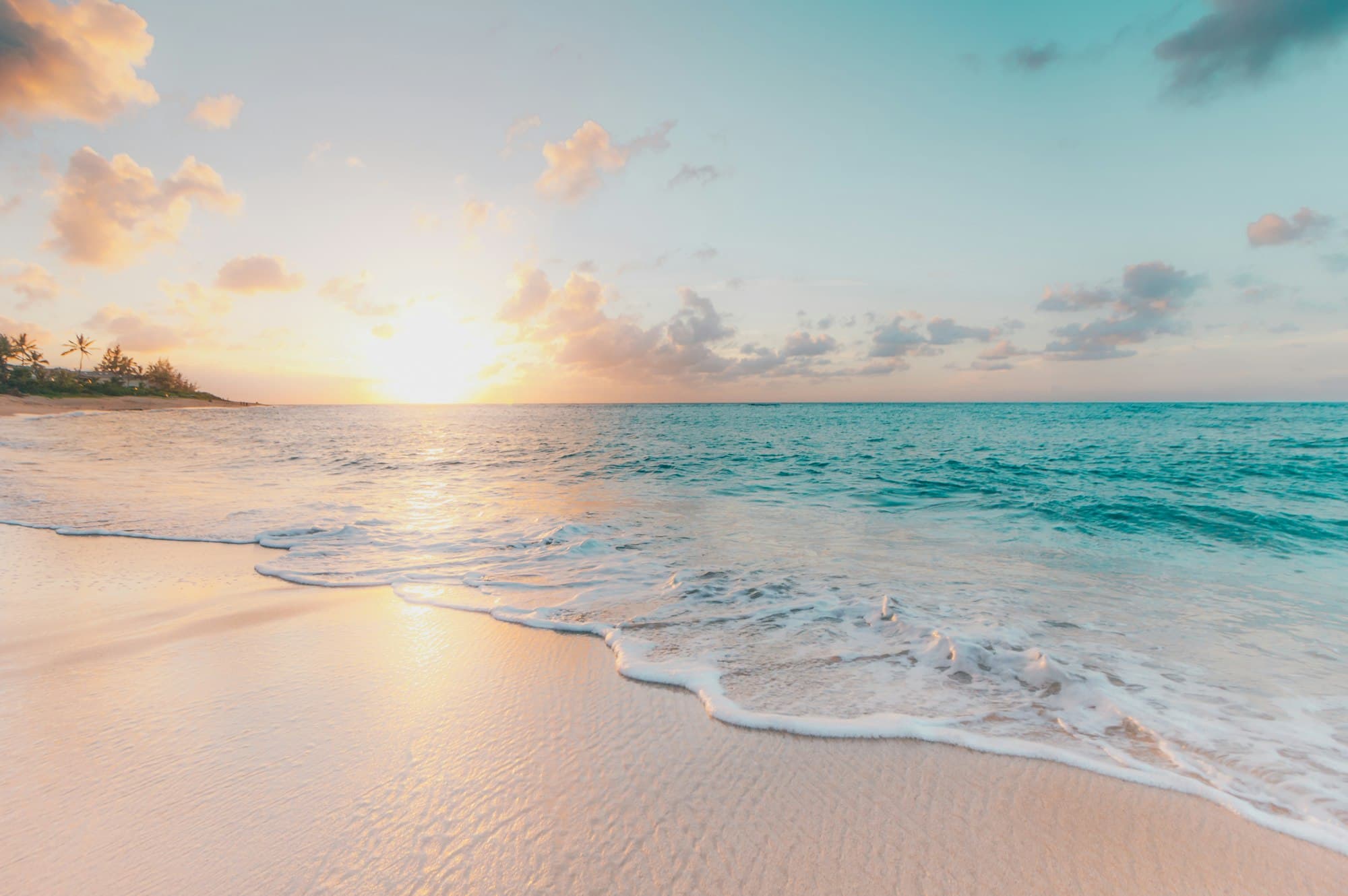
Hawaii is not one place. It is a chain of islands, and each one feels different. The island you pick shapes your whole trip. So the real question is not just whether to visit Hawaii. It is which Hawaii island is right for you.
There are eight main islands in this US state. Six welcome visitors. But four get almost all the tourism: Oahu, Maui, Kauai, and the Big Island (also called the island of Hawaiʻi). Each has its own personality, beaches, and price.
This guide compares every island side by side. You will see which one fits your travel style, your budget, and your bucket list, whether you want beautiful beaches, active volcanoes, world-class hiking, or a quiet escape.
Most first-time travelers focus on the four main islands, and this guide does too, while still covering the quiet isles of Lanai and Molokai for those who want them. Wherever you land, you are never far from a beautiful beach.
Start with the quick-answer table below. Then read the island profiles and trip-planning tips. By the end, you will know exactly where to book.
Jump to a section20
- 01Which Is the Best Hawaiian Island to Visit?
- 02Quick Answer: Best Hawaii Island by Traveler Type
- 03The Hawaii Islands at a Glance
- 04Hawaiian Islands Compared: Which Is Right for You?
- 05Oahu: The All-Rounder
- 06Maui: The Balanced Favorite
- 07Big Island (Island of Hawaiʻi): The Most Varied
- 08Kauai: The Wild, Green One
- 09Lanai: The Quiet Luxury Island
- 10Molokai: The Most Authentic
- 11Best Hawaii Island by Activity
- 12How We Compared the Islands
- 13How Many Islands Should You Visit?
- 14Getting to and Around Hawaii
- 15Best Time to Visit Hawaii
- 16How Much Does a Hawaii Trip Cost?
- 17Sample Hawaii Itineraries
- 18Practical Tips Before You Book
- 19Which Hawaii Island Is Best for You?
- 20Start Planning Your Hawaii Trip
Which Is the Best Hawaiian Island to Visit?
There is no single best Hawaiian island to visit — the right one depends on your trip. Oahu suits first-time visitors, families, and tight budgets; Maui is best for beaches and couples; Kauai wins for hiking and scenery; and the Big Island leads for volcanoes and nature. Lanai and Molokai trade crowds for luxury and culture, not first trips.
Quick Answer: Best Hawaii Island by Traveler Type
Short on time? This table gives you a fast answer based on the kind of traveler you are. Read on for the full reasoning behind each pick.
| Traveler type | Best island | Why |
|---|---|---|
| First-time visitors | Oahu or Maui | Easy to reach, lots to do, a good mix of beaches and sights |
| Families | Oahu | Calm beaches, kid-friendly attractions, and simple logistics |
| Honeymooners | Maui | Romantic resorts, sunsets, and adventure in one place |
| Adventure travelers | Kauai | Sea cliffs, canyons, and the best hiking in the islands |
| Luxury travelers | Lanai or Maui | Five-star resorts and quiet, polished service |
| Budget travelers | Oahu | The cheapest flights, public buses, and affordable food |
| Nature lovers | Big Island | Active volcanoes, black sand, and the most varied scenery |
| Beach lovers | Maui | Wide golden beaches and excellent snorkeling |
| Foodies | Oahu | The biggest food scene, from food trucks to fine dining |
| Digital nomads | Oahu | The best internet, coworking spaces, and city comforts |
The Hawaii Islands at a Glance
Here is how the main islands compare on size, feel, and who they suit. Sizes are in square miles. Notice how much bigger the Big Island is than the rest.
| Island | Size (sq mi) | Nickname | Best for | Main airport |
|---|---|---|---|---|
| Oahu | 597 | The Gathering Place | First-timers, families, nightlife | Honolulu (HNL) |
| Maui | 727 | The Valley Isle | Couples, beaches, balance | Kahului (OGG) |
| Big Island (Hawaiʻi) | 4,028 | The Big Island | Volcanoes, nature, astronomy | Kona (KOA) / Hilo (ITO) |
| Kauai | 562 | The Garden Isle | Hiking, scenery, adventure | Lihue (LIH) |
| Lanai | 140 | The Pineapple Isle | Luxury, seclusion | Lanai (LNY) |
| Molokai | 260 | The Friendly Isle | Culture, quiet, real Hawaii | Molokai (MKK) |
Hawaiian Islands Compared: Which Is Right for You?
Here is every main island rated side by side on what matters most when you choose. Stars run from one (limited) to five (the best in Hawaii). It is a fast way to spot the island that fits your priorities.
| Island | Best for | Beaches | Scenery | Adventure | Nightlife | Cost | Family | Crowds |
|---|---|---|---|---|---|---|---|---|
| Oahu | First-timers, families, budget | ★★★★ | ★★★ | ★★★ | ★★★★★ | $$ | ★★★★★ | High |
| Maui | Couples, beaches, balance | ★★★★★ | ★★★★ | ★★★★ | ★★★ | $$$$ | ★★★★ | Med–High |
| Kauai | Hiking, scenery, quiet | ★★★★ | ★★★★★ | ★★★★★ | ★★ | $$$ | ★★★ | Low–Med |
| Big Island | Volcanoes, nature, stars | ★★★ | ★★★★★ | ★★★★★ | ★★ | $$ | ★★★ | Low–Med |
| Lanai | Luxury, privacy | ★★★★ | ★★★ | ★★ | ★ | $$$$$ | ★★ | Very low |
| Molokai | Culture, authenticity | ★★★ | ★★★★ | ★★★ | ★ | $–$$ | ★★ | Very low |
Oahu: The All-Rounder
Oahu is the most popular island and the easiest place to start. It is home to Honolulu, Waikiki Beach, and about two-thirds of the state's population. If you want a mix of city, surf, history, and nightlife, this is your island.
Best for: first-time visitors, families, nightlife, budget travelers, and city lovers.
Pros: easy to reach, affordable, and packed with things to do. Cons: it is the busiest island, and Waikiki can feel crowded and built-up. Ideal trip length: 3 to 5 days.
Getting around is easy here. Oahu has the only real public transit in the islands, so you can skip a rental car and still reach Waikiki, Pearl Harbor, and downtown Honolulu. That alone saves many travelers a big chunk of their budget.
- Waikiki Beach: calm water that is great for beginners and families
- Pearl Harbor: one of the most visited historic sites in the United States
- Diamond Head: a short, rewarding hike above the city
- The North Shore: huge winter waves and laid-back surf towns
- Hanauma Bay: a protected cove with easy snorkeling
Maui: The Balanced Favorite
Maui is the crowd favorite for good reason. It blends beautiful beaches, big resorts, and real adventure. Many travelers call it the best all-around Hawaii island for couples.
Best for: couples, honeymooners, beach lovers, and mid-range to luxury travelers.
Pros: the best balance of relaxation and adventure. Cons: pricier than Oahu, and the famous coastal drive is a long day. Ideal trip length: 4 to 6 days.
Maui suits travelers who want a bit of everything. You can snorkel in the morning, relax by the resort pool in the afternoon, and watch sunrise above the clouds at Haleakalā, all in the same few days. It rarely feels like you had to choose.
A note on Lahaina: the historic town of Lahaina was devastated by the August 2023 wildfire. As of 2026, the rest of Maui — including the Kaanapali and Wailea resort areas, beaches, and ocean tours — is open and welcoming visitors, but Lahaina's historic Front Street core remains closed and under reconstruction. If you visit West Maui, support local businesses and treat the recovery area with respect rather than as a sightseeing stop.
- The Road to Hana: a winding coastal drive past waterfalls and rainforest
- Haleakalā: watch sunrise from a 10,000-foot volcano summit
- Molokini Crater: a sunken crater with some of Hawaii's clearest snorkeling
- Whale watching: humpbacks gather offshore from December to April
- Kaanapali and Wailea: wide golden beaches lined with resorts
Big Island (Island of Hawaiʻi): The Most Varied
The Big Island is the youngest and largest island, about 4,028 square miles. That is bigger than all the other Hawaiian islands combined. It is still growing, because its volcanoes are active.
This is the island for nature and science. In a single trip you can see flowing lava, black sand beaches, snow on a mountaintop in winter, and some of the clearest night skies on Earth. That variety is why it feels so different from the others.
Best for: nature lovers, science fans, and travelers who like to explore. Pros: the most varied scenery in Hawaii, and fewer crowds. Cons: it is huge, so you will drive a lot, and it has fewer swimming beaches than Maui. Ideal trip length: 4 to 6 days.
Because the island is so large, where you stay matters. The Kona side is sunny and dry with calm beaches. The Hilo side is wet, green, and close to the volcano park. Many visitors split their nights between the two to see both worlds.
- Hawaiʻi Volcanoes National Park: see active craters, lava tubes, and steam vents
- Punaluʻu Black Sand Beach: a striking beach where sea turtles often rest
- Mauna Kea: a summit famous worldwide for astronomy and stargazing
- Kona coast: coffee farms and calm snorkeling bays
- Hilo side: waterfalls, rainforest, and lush gardens
Kauai: The Wild, Green One
Kauai is the greenest, oldest, and most dramatic island. It is quieter than Oahu or Maui, with fewer big resorts and more raw nature. If you love hiking and scenery, this is the one.
Best for: adventure travelers, hikers, nature lovers, and couples who want a quieter pace.
Pros: the best hiking and scenery in Hawaii. Cons: it rains more, nightlife and dining are limited, and some roads are slow. Ideal trip length: 3 to 5 days.
Kauai rewards travelers who like to be outdoors. Much of the island cannot be reached by road at all, so the best scenery comes from a boat tour, a helicopter ride, or your own two feet on a trail. Pack for rain and bring sturdy shoes.
- The Na Pali Coast: towering green sea cliffs you reach by boat, helicopter, or a tough hike
- Waimea Canyon: often called the Grand Canyon of the Pacific
- The Kalalau Trail: one of the most famous and challenging hikes in the United States
- Hanalei Bay: a calm, scenic north-shore beach
- Wailua River: gentle kayaking to hidden waterfalls
Lanai: The Quiet Luxury Island
Lanai is tiny, about 140 square miles, and feels like a private escape. There are no traffic lights. Two luxury resorts anchor the island, which makes it a top pick for travelers who want privacy and polish.
Best for: luxury travelers, honeymooners, and anyone who wants total peace.
Pros: exclusive, quiet, and beautiful. Cons: expensive, with little to do beyond the resorts. Ideal trip length: 2 to 3 days, often as a side trip from Maui by ferry.
Day-trippers can visit too. The ferry from Maui takes about an hour each way, so you can sample Lanai's quiet beaches and dramatic landscapes without booking one of its costly resorts.
- Two Four Seasons resorts with top-tier service
- Hulopoe Bay: a protected marine reserve with great snorkeling
- Garden of the Gods: an otherworldly rock landscape reached by off-road trail
- A slow, crowd-free pace you cannot find on the bigger islands
Molokai: The Most Authentic
Molokai is the least touristy island, and proud of it. There are no resorts or nightlife. Instead you get real local life, deep culture, and untouched landscapes. It suits travelers who want to slow down and connect.
Best for: cultural travelers and off-the-beaten-path explorers. Pros: the most authentic, uncrowded Hawaii. Cons: very few hotels, restaurants, or activities, so it is not for first-timers. Ideal trip length: 2 to 3 days for the curious.
Visiting Molokai is as much about mindset as sights. There are no chain hotels and no nightlife. What you get instead is a window into everyday Hawaiian life, slow mornings, and landscapes most visitors never see. Go with respect and an open schedule.
- Kalaupapa National Historical Park: reached by a steep cliff trail or a small plane
- The highest sea cliffs in the world along the north shore
- Halawa Valley: guided cultural hikes to waterfalls
- A strong Native Hawaiian community and a genuinely slow pace
Best Hawaii Island by Activity
Already know what you want to do? This table shows the best island for each type of trip, plus a strong runner-up.
| What you want | Best island | Runner-up | Why |
|---|---|---|---|
| Beautiful beaches | Maui | Oahu | Wide golden sand and easy snorkeling |
| Hiking | Kauai | Big Island | Na Pali cliffs and the Kalalau Trail |
| Family vacation | Oahu | Maui | Calm beaches and kid-friendly attractions |
| Honeymoon | Maui | Lanai | Romantic resorts and sunset views |
| Food scene | Oahu | Maui | The widest range, from food trucks to fine dining |
| Nightlife | Oahu | Maui | Honolulu has the only real late-night scene |
| Luxury | Lanai | Maui | Five-star resorts and total privacy |
| Budget | Oahu | Big Island | Cheap flights, buses, and affordable food |
| Adventure | Kauai | Big Island | Sea cliffs, canyons, and water sports |
| Wildlife | Big Island | Maui | Sea turtles, whales, and birds across varied habitats |
🏨 Find Hotels in Hawaii
Compare 2M+ properties on Booking.com — free cancellation on most stays. Filter by price, neighborhood, and traveler ratings.
Search Hotels in Hawaii →Affiliate link — we may earn a small commission at no extra cost to you.
🎟️ Book Top Experiences in Hawaii
Skip-the-line tickets, day trips, and guided tours — Viator lists experiences worldwide, with free cancellation on most bookings.
Browse Tours on Viator →Affiliate link — we may earn a small commission at no extra cost to you.
🎫 Save on Hawaii Attractions
One pass covers multiple top attractions in Hawaii — usually cheaper than buying tickets separately if you plan to see more than two or three.
See Hawaii Passes →Affiliate link — we may earn a small commission at no extra cost to you.
🚗 Rent a Car at Honolulu Airport
Compare 800+ car rental companies on DiscoverCars. Free cancellation, full insurance options, and best-price guarantee — book in 2 minutes.
Compare Car Rentals →Affiliate link — we may earn a small commission at no extra cost to you.
How We Compared the Islands
Our picks are based on what actually matters when you choose a Hawaii island, not on a single score. For each island we weighed six things: beaches and water activities, hiking and scenery, ease of access and getting around, cost, crowd levels, and the range of food and nightlife.
We also matched islands to traveler types instead of naming one overall winner. A budget family and a luxury honeymoon couple want very different trips, so the best island is different for each. That is why the same island can top one list and sit mid-pack on another.
These rankings reflect editorial judgment and broad traveler consensus, not paid placement. Conditions change, so always check current prices, park reservations, and weather before you book.
How Many Islands Should You Visit?
It is tempting to try to see them all. But the islands are spread across open ocean. You can only reach them by short flights of about 30 to 50 minutes, or the Maui to Lanai ferry. Each hop costs time and money.
A good rule: plan one island for every 4 to 5 days. For a week, one or two islands is plenty. Trying to see three in a week means more airports than beaches.
Island-hopping works best when the islands are different. Oahu plus Kauai gives you city plus nature. Maui plus the Big Island gives you beaches plus volcanoes. Pairing two similar islands is rarely worth the extra travel.
Getting to and Around Hawaii
Most visitors fly into Honolulu (HNL) on Oahu or Kahului (OGG) on Maui, the two busiest airports. Flights from the US mainland take roughly 5 to 6 hours from the West Coast and longer from the East Coast and other countries.
Between islands, you fly. Hawaiian Airlines and Southwest run frequent short hops of 30 to 50 minutes, and fares are reasonable if you book ahead. The only passenger ferry connects Maui and Lanai.
Once you land, plan to drive. Apart from Oahu, where buses and ride-share cover the main sights, a rental car is the practical way to explore. Reserve it early, because island fleets are small and prices spike when cars run short.
Best Time to Visit Hawaii
Hawaii is warm all year, with beach weather in every season. But timing affects crowds, prices, and rain.
Peak season is mid-December to March and June to August. Expect higher prices and busy beaches. The best value is in the shoulder months: April to May and September to early December.
Winter brings bigger waves, which are great for watching surfers on Oahu's North Shore, plus humpback whales near Maui. Summer has calmer seas and is better for snorkeling. It rains more on the north and east sides of each island and stays drier on the south and west, so you can usually find sun somewhere.
If your dates are flexible, aim for late April, May, September, or October. You get warm, calm weather, thinner crowds at the big sights, and the lowest flight and hotel prices of the year. For most travelers, spring and fall are the real sweet spot for visiting Hawaii.
| Season | Weather | Crowds | Prices |
|---|---|---|---|
| Dec to Mar | Warm, bigger surf, whales | High | High |
| Apr to May | Warm, calm, green | Low to medium | Best value |
| Jun to Aug | Hot, calm seas | High | High |
| Sep to early Dec | Warm, quiet, calm | Low | Best value |
How Much Does a Hawaii Trip Cost?
Hawaii is one of the pricier US destinations, but costs vary a lot by island and season. Here are rough per-person ranges for a one-week trip, before any big splurges.
You can cut these costs in real ways. Oahu is the most affordable island, with cheap flights and buses instead of a rental car. Travel in the shoulder seasons, book a condo with a kitchen so you are not eating out for every meal, and choose food trucks and plate-lunch spots over resort restaurants. With those moves, a Hawaii trip is far more reachable than its reputation suggests.
| Expense | Budget | Mid-range | Luxury |
|---|---|---|---|
| Flights (round trip, mainland US) | $400 to $700 | $500 to $900 | $900+ |
| Hotel per night | $150 to $250 | $300 to $500 | $600+ |
| Rental car per day | $50 to $80 | $60 to $100 | $100+ |
| Food per day | $40 to $70 | $80 to $150 | $200+ |
Sample Hawaii Itineraries
Here are three simple plans based on how long you have. Each one focuses on a small number of islands, so you spend your time relaxing instead of flying.
Pick Oahu for a first trip, or Maui for beaches and romance. Five days is enough to see the highlights of one island without rushing. Skip island-hopping on a short trip.
Spend the full week on Maui or the Big Island. Or split it: 3 to 4 days on Oahu for the city and history, then fly to Kauai for hiking and scenery.
Now you have room to relax. Try Maui plus the Big Island for beaches and volcanoes, or Oahu plus Kauai for city and nature. Give each island 4 to 5 days.
Practical Tips Before You Book
A few small steps make a Hawaii trip smoother and cheaper.
- Book early. Flights and hotels are cheapest a few months ahead, especially for peak winter and summer dates.
- Reserve key attractions. Haleakalā sunrise and parts of Hawaiʻi Volcanoes National Park can require timed reservations, so check before you go.
- Rent a car on every island except Oahu. Sights are spread out, and transit is limited outside Honolulu.
- Respect the land and culture. Stay on marked trails, keep your distance from sea turtles and monk seals, and follow local signs.
- Pack reef-safe sunscreen. Hawaii bans sunscreens that harm coral reefs, so check the label before you fly.
Which Hawaii Island Is Best for You?
There is no single best island in Hawaii. There is only the best one for your trip. Here is the short version:
- Choose Oahu for a first trip, for families, for tight budgets, or for nightlife.
- Choose Maui for beaches, romance, and a balance of relaxation and adventure.
- Choose Kauai for hiking, scenery, and a quieter pace.
- Choose the Big Island for volcanoes, stargazing, and the most varied nature.
- Choose Lanai for luxury and privacy, or Molokai for real, uncrowded Hawaiian culture.
Start Planning Your Hawaii Trip
Whichever island you choose, you are getting one of the most beautiful island getaways in the world and a genuine bucket-list trip. Oahu, Maui, Kauai, and the Big Island each deliver a different version of paradise, so you really cannot go wrong. The quieter isles simply trade nightlife and crowds for peace and culture.
The best next step is to lock in your dates and island, then build the trip around them. Compare inter-island flight times, measure the distances between the places you want to see, and add up your likely costs so there are no surprises. A little planning now means more time on the beach and less time staring at a map later.
Use the free travel tools below to price your trip and map your routes, then book with confidence. Your Hawaii adventure is closer than you think.
Frequently Asked Questions
Which Hawaii island is best for first-time visitors?
Oahu and Maui are the easiest first trips. Oahu has the most flights, the lowest prices, and a wide mix of beaches, history, and city life. Maui offers a polished blend of beaches and adventure. Either is a safe, rewarding first choice.
What is the prettiest Hawaii island?
Many travelers say Kauai is the most beautiful. It is the greenest and most dramatic island, with the Na Pali Coast and Waimea Canyon. Maui and the Big Island are close behind, each stunning in a different way.
Which Hawaii island has the best beaches?
Maui is the top pick for beaches, with wide golden sand and calm, clear water that is ideal for swimming and snorkeling. Oahu is a strong runner-up, especially for beginners at Waikiki.
Which Hawaii island is best for families?
Oahu is the easiest family island. It has calm beaches, kid-friendly attractions, plenty of affordable hotels, and simple logistics with public buses. Maui works well too if your budget is a little higher.
Which Hawaii island is best for couples?
Maui is the classic couples and honeymoon island, thanks to romantic resorts, sunsets, and a mix of relaxation and adventure. For pure privacy and luxury, Lanai is hard to beat.
Which Hawaii island is least crowded?
Molokai is the quietest and least touristy island, followed by Lanai. Both offer a calm, uncrowded escape. Among the big four, Kauai and the Big Island feel less busy than Oahu and Maui.
Which island should I visit for volcanoes?
The Big Island, home to Hawaiʻi Volcanoes National Park. It has active volcanoes, lava fields, and black sand beaches. Maui also has Haleakalā, a dormant volcano famous for sunrise views.
Is Oahu or Maui better?
It depends on your trip. Oahu is better for first-timers, families, budgets, nightlife, and food. Maui is better for beaches, couples, and a quieter, more upscale feel. Both are excellent.
How many days do I need in Hawaii?
Plan at least 5 days for one island. A week is ideal and lets you relax without rushing. With 10 days you can comfortably enjoy two different islands.
Can I visit multiple islands on one trip?
Yes. Short flights of 30 to 50 minutes connect the islands, and a ferry links Maui and Lanai. Allow 4 to 5 days per island so you are not spending the trip in airports. Pair islands that feel different for the best experience.
Which Hawaii island is best for hiking?
Kauai is the best hiking island, with the Kalalau Trail and Waimea Canyon. The Big Island is a strong second, offering volcano trails and varied terrain in Hawaiʻi Volcanoes National Park.
What is the biggest Hawaiian island?
The Big Island, officially the island of Hawaiʻi, at about 4,028 square miles. It is larger than all the other Hawaiian islands combined and is still growing because its volcanoes are active.
Which island is best on a budget?
Oahu is the most affordable Hawaii island. It has the cheapest and most frequent flights, public buses instead of a mandatory rental car, and the widest range of affordable food and hotels.
Do I need a car in Hawaii?
On most islands, yes, because attractions are spread out. Oahu is the exception, with a usable public bus system and walkable areas around Waikiki. On Maui, Kauai, and the Big Island, a rental car is strongly recommended.
Which island is best for snorkeling?
Maui leads, thanks to Molokini Crater and calm resort beaches. The Big Island and Lanai also have excellent, clear snorkeling bays with frequent sea turtle sightings.
When is the cheapest time to visit Hawaii?
The best value is in the shoulder seasons: April to May and September to early December. Weather is still warm and crowds are thinner, so flights and hotels cost noticeably less than in peak winter and summer.
Which island is best for luxury travel?
Lanai offers the most exclusive, private luxury, with two five-star Four Seasons resorts and almost no crowds. Maui is the runner-up, with a wide choice of high-end resorts and dining.
Is Hawaii part of the United States?
Yes. Hawaii is the 50th US state, so US travelers do not need a passport and there is no currency exchange. It sits in the central Pacific, which is why flights from the mainland are long.
Which Hawaii island is best for digital nomads or remote work?
Oahu is the most practical for remote work. Honolulu has the fastest, most reliable internet, the most coworking spaces, and the city comforts that longer stays need. Maui is a quieter second choice if you prefer beaches over a city.
Which Hawaii island gets the most rain?
Kauai is the wettest overall, especially its mountainous interior, which is exactly what makes it so green. On every island, the north and east sides are rainier and the south and west sides are drier, so you can usually find sun by switching coasts.
What is the best Hawaiian island to visit?
There is no single best Hawaiian island to visit; it depends on your trip. Oahu is best for first-timers, families, and budgets; Maui for beaches and couples; Kauai for hiking and scenery; and the Big Island for volcanoes and nature. Lanai and Molokai suit luxury and culture seekers.
Is it OK to visit Maui after the 2023 wildfire?
Yes. Most of Maui and West Maui — Kaanapali, Kapalua, beaches, and boat tours — are open and depend on visitor spending. Only Lahaina's historic Front Street core remains closed for rebuilding. Visit respectfully, support local businesses, and stay out of the closed recovery zones.
Which Hawaiian island is best for adventure?
Kauai is the top adventure island, with the Kalalau Trail, Waimea Canyon, and the Na Pali Coast by boat or kayak. The Big Island is a close second for volcano hikes, lava viewing, and Mauna Kea, offering the most varied terrain in the islands.

About the author
SK Kutubuddin · Founder & Editor
The founder and editor of Travel and Time. An aeronautical engineer with close to two decades in aviation, I build the site’s flight, distance, and trip-planning tools myself and check every figure before it goes live. I write from Kolkata, India.
More about author →