Clicky

Best National Parks for Hiking in the USA (2025 Adventure Guide)

Best National Parks for Hiking in the USA (2025 Adventure Guide)

Discover America's most spectacular hiking destinations across diverse landscapes from granite cliffs to desert canyons, alpine peaks to rugged coastlines.

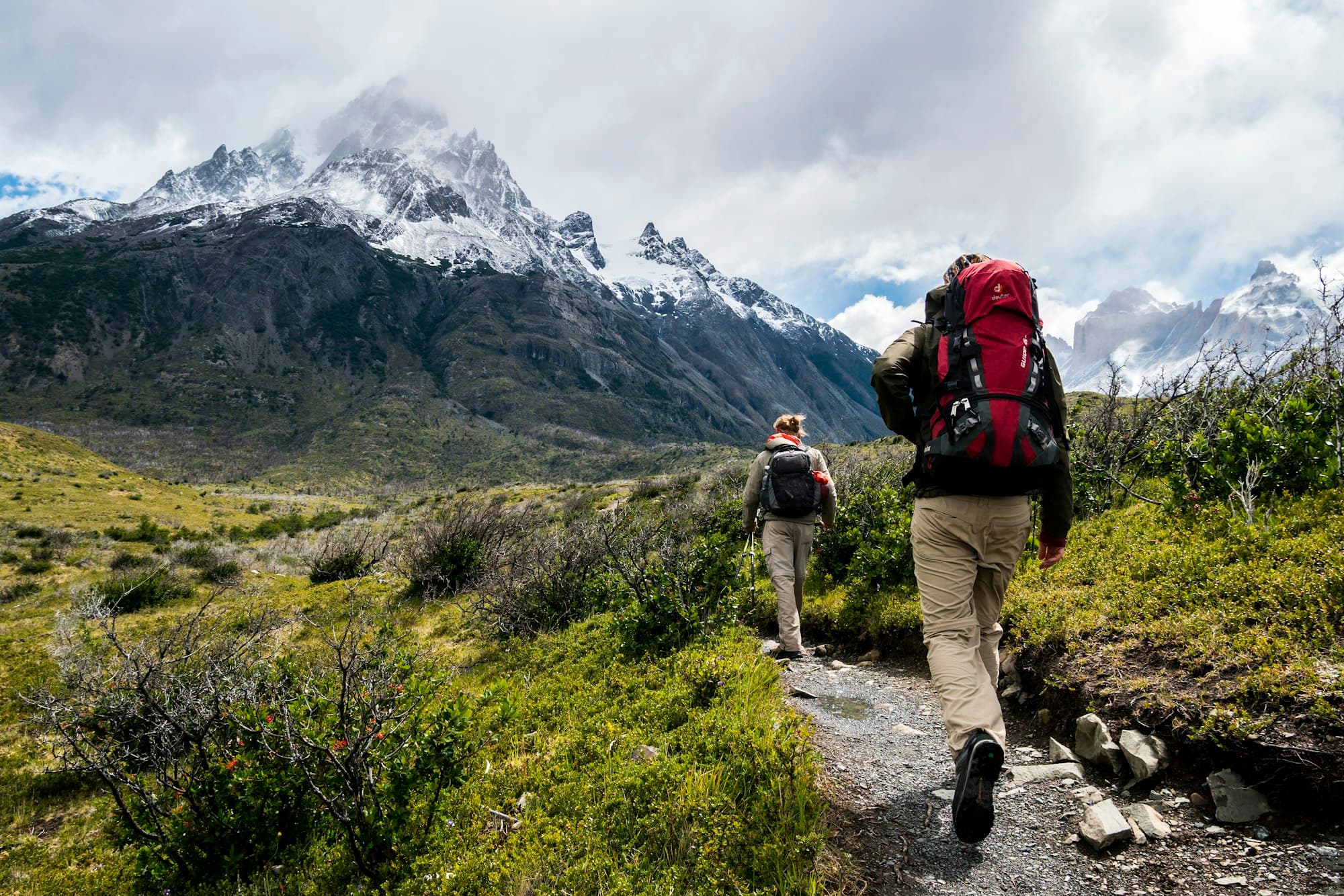
Hikers enjoying breathtaking views across America's national park landscapes

America's Greatest Hiking Adventures Await

63 National Parks β€’ 400+ Million Acres β€’ Endless Trails

Why the USA Is a Hiker's Paradise

From the granite monoliths of Yosemite to the rugged Atlantic coastline of Maine, America's national parks offer the world's most diverse hiking experiences. With over 400 million acres of protected wilderness, hikers can explore alpine lakes at 12,000 feet, slot canyons carved by ancient rivers, pristine beaches with coastal mountain views, and desert landscapes that seem from another planet.

Whether you're seeking gentle nature walks, challenging multi-day backpacking adventures, or technical scrambles up granite faces, U.S. national parks deliver unmatched variety across all skill levels and interests.

For East Coast inspiration, explore the best hikes in Acadia National Park, where mountain peaks meet the Atlantic Ocean in Maine's premier hiking destination.

1. Yosemite National Park (California)

Hikers on Yosemite's Mist Trail with granite cliffs and waterfalls

Yosemite's towering granite cliffs, thundering waterfalls, and pristine wilderness make it America's most iconic hiking destination. The park offers everything from wheelchair-accessible valley floor walks to multi-day High Sierra adventures requiring technical climbing skills.

Top Yosemite Hiking Trails

  • Half Dome Trail - 16 miles, permits required, cables section

    The ultimate Yosemite challenge with 4,800 feet elevation gain

  • Mist Trail to Vernal Fall - 7 miles roundtrip

    Granite steps through rainbow mist, spring waterfalls spectacular

  • Four Mile Trail - 9.6 miles roundtrip

    Switchbacks to Glacier Point with Half Dome views

  • Valley Loop Trail - 7.2 miles, mostly flat

    Perfect for families, views of El Capitan and Bridalveil Fall

Best Time: May-October for high country; waterfalls peak in spring. Summer brings crowds but reliable weather. Use our Time Calculator to plan hiking durations and Distance Calculator for trailhead access.

2. Zion National Park (Utah)

Hikers navigating Zion's famous Angels Landing trail with red canyon views

Zion's towering red sandstone cliffs and narrow slot canyons create some of America's most dramatic hiking experiences. From river walks through The Narrows to the adrenaline-pumping Angels Landing, Zion challenges hikers with unique terrain found nowhere else.

Essential Zion Hiking Trails

  • Angels Landing - 5.4 miles, permits required

    Chains section with 1,000-foot drops, not for those with heights fear

  • The Narrows - Up to 16 miles, river hiking

    Hiking through Virgin River between towering canyon walls

  • Canyon Overlook Trail - 1 mile roundtrip

    Perfect introduction to Zion with panoramic canyon views

  • Emerald Pools Trail - 1.5-3 miles various options

    Waterfalls and hanging gardens, family-friendly options

Best Time: March-May and September-November for moderate temperatures. Summer exceeds 100Β°F regularly. Flash flood awareness essential for slot canyons - check weather and travel safety guidelines.

3. Rocky Mountain National Park (Colorado)

Hikers enjoying alpine lakes and mountain peaks in Rocky Mountain National Park

Rocky Mountain National Park showcases the American West's alpine grandeur with over 350 miles of trails through pristine wilderness. At elevations reaching above 12,000 feet, hikers experience dramatic weather changes, crystal-clear alpine lakes, and some of America's most spectacular mountain vistas.

Premier Rocky Mountain Trails

  • Emerald Lake Trail - 3.2 miles, moderate

    Three pristine alpine lakes: Nymph, Dream, and Emerald

  • Longs Peak via Keyhole Route - 15 miles, technical

    Colorado's most famous 14er, requires early start and experience

  • Sky Pond Trail - 8.4 miles, strenuous

    Dramatic cirque with waterfall and glacier-carved basin

  • Bear Lake Nature Trail - 0.6 miles, easy

    Perfect family walk around stunning alpine lake

Altitude Warning: Many trails exceed 10,000 feet elevation. Allow acclimatization time and monitor for altitude sickness symptoms. Review travel safety for high-altitude hiking precautions.

4. Grand Teton National Park (Wyoming)

The Teton Range rises dramatically from the valley floor without foothills, creating one of America's most striking mountain profiles. Grand Teton's hiking trails lead through pristine alpine wilderness beneath jagged granite peaks, offering world-class mountain experiences just hours from Jackson Hole.

Must-Do Grand Teton Hikes

  • Jenny Lake Loop - 7.1 miles, moderate

    Classic lake circuit with Teton reflections and Hidden Falls

  • Cascade Canyon Trail - 9.1 miles, moderate

    Into the heart of the Tetons with mountain goat sightings

  • Teton Crest Trail - 40+ miles, backpacking

    Multi-day traverse with permits, ultimate Teton experience

  • Taggart Lake Trail - 3.2 miles, easy-moderate

    Perfect introduction hike with Teton views and serene lake

Wildlife Note: Grand Teton has active grizzly and black bear populations. Carry bear spray and follow food storage regulations. Peak hiking season runs July-September.

5. Acadia National Park (Maine)

Hikers enjoying Acadia's unique mountain-meets-ocean landscape

Acadia National Park offers America's only mountain-meets-ocean hiking experience, where granite peaks rise directly from the Atlantic coastline. With over 150 miles of trails ranging from gentle carriage roads to technical cliff scrambles, Acadia provides unique East Coast adventures found nowhere else in the national park system.

🌊 Complete Acadia Trail Guide Available

Acadia's diverse trail system deserves detailed exploration. From family-friendly pond walks to adrenaline-pumping ladder climbs on granite cliffs, each trail offers unique rewards.

For comprehensive trail descriptions, safety tips, seasonal guidance, and a complete 3-day hiking itinerary, visit our dedicated best hikes in Acadia National Park guide - your essential resource for planning the perfect Maine hiking adventure.

Acadia Hiking Highlights

  • Beehive Trail - Iron rungs and cliff exposure

    Acadia's most thrilling hike with panoramic coastal views

  • Jordan Pond Path - 3.3 miles, easy and accessible

    Perfect family walk with iconic Bubbles mountain reflections

  • Ocean Path - 4.4 miles of coastline

    Thunder Hole, Otter Point, and endless Atlantic vistas

  • Cadillac Mountain - First U.S. sunrise location

    Summit road access with short walking trails and 360Β° views

Unique Features: Only national park in northeastern U.S., combining mountain and ocean hiking. Best visited May-October with peak foliage in early October.

6. Glacier National Park (Montana)

Glacier National Park's dramatic alpine terrain features knife-edge ridges, pristine lakes, and over 25 glaciers. With 700+ miles of trails through the Crown of the Continent ecosystem, hikers encounter diverse wildlife and some of America's most spectacular mountain scenery.

Premier Glacier National Park Trails

  • Highline Trail - 11.8 miles, moderate

    Continental Divide traverse with mountain goats and wildflowers

  • Grinnell Glacier Trail - 10.6 miles, strenuous

    Active glacier viewing with turquoise alpine lakes

  • Iceberg Lake Trail - 9.7 miles, moderate

    Dramatic cirque with icebergs floating year-round

  • Trail of the Cedars - 1 mile, easy boardwalk

    Accessible ancient forest walk through massive cedars

Season & Safety: Many high-altitude trails accessible only July-September due to snow. Grizzly bear country - carry bear spray mandatory. Weather changes rapidly at elevation.

7. Grand Canyon National Park (Arizona)

The Grand Canyon's immense scale and challenging desert hiking create unforgettable adventures. While rim trails offer spectacular views for all abilities, inner canyon hikes demand serious preparation for extreme heat, elevation changes, and desert conditions.

Grand Canyon Essential Hikes

  • Rim-to-Rim - 24+ miles, extreme challenge

    Ultimate Grand Canyon experience, extensive preparation required

  • Bright Angel Trail - Various distances to Colorado River

    Most popular inner canyon route with rest houses and water

  • South Kaibab Trail - Steeper but better views

    No water available, for experienced desert hikers only

  • Rim Trail - 13 miles, mostly paved and easy

    Perfect for all ages with shuttle access and canyon overlooks

Critical Safety: Summer temperatures exceed 120Β°F in inner canyon. Carry 1+ gallons of water per person for below-rim hiking. Many rescues occur from heat exhaustion and dehydration.

8. Great Smoky Mountains National Park (Tennessee/North Carolina)

America's most visited national park offers year-round hiking through ancient mountains cloaked in morning mist. With over 800 miles of trails through old-growth forests, cascading waterfalls, and diverse ecosystems, the Smokies provide Appalachian hiking at its finest.

Great Smoky Mountains Top Trails

  • Clingmans Dome Trail - 1 mile to highest peak

    Paved path to observation tower with 360Β° mountain views

  • Alum Cave Trail to Mt. LeConte - 11 miles, strenuous

    Through Arch Rock and Alum Cave Bluffs to historic lodge

  • Andrews Bald - 3.6 miles, moderate

    Highland meadow with mountain laurel and flame azalea blooms

  • Laurel Falls Trail - 2.6 miles, paved and easy

    Most popular waterfall, wheelchair accessible with family appeal

Year-Round Hiking: Mild climate allows hiking all seasons. Spring wildflowers peak in April, fall colors in mid-October. Black bears active March-November.

9. Mount Rainier National Park (Washington)

Mount Rainier's glaciated peak dominates the Cascade Range, surrounded by subalpine meadows bursting with wildflowers each summer. The park's hiking trails traverse diverse ecosystems from old-growth rainforest to alpine tundra beneath America's most glaciated peak.

Mount Rainier Must-Hike Trails

  • Skyline Loop Trail - 5.5 miles, moderate

    Paradise area's premier hike through wildflower meadows

  • Wonderland Trail - 93 miles, multi-day backpack

    Complete circumnavigation of Mount Rainier, permits required

  • Tolmie Peak Trail - 6.5 miles, moderate

    Fire lookout with Rainier views and Eunice Lake reflection

  • Trail of the Shadows - 0.7 miles, easy

    Historic nature trail through mineral springs and old-growth forest

Short Season: High-altitude trails typically open July-October due to heavy snowpack. Wildflower peak occurs mid-July to early August. Weather changes rapidly on the mountain.

Honorable Mentions: More Incredible Hiking Destinations

Western Parks

  • Sequoia National Park: Giant trees and granite domes
  • Arches National Park: Desert hiking to natural arches
  • Bryce Canyon: Hoodoo formations and rim trails
  • Joshua Tree: Desert rock formations and unique ecosystem
  • Olympic National Park: Rainforest, mountains, and coast

Eastern & Southern Parks

  • Shenandoah: Blue Ridge Mountains and waterfalls
  • Hot Springs: Arkansas mountain trails and thermal springs
  • Mammoth Cave: Underground hiking and surface trails
  • Everglades: Unique wetland ecosystems and wildlife
  • Big Bend: Texas desert and Rio Grande river canyons

Use our Place Calculator to discover national parks near your location or planned travel routes for extended hiking adventures.

Best Times to Hike U.S. National Parks

Four seasons of national park hiking across different landscapes

🌸 Spring (March-May)

  • β€’ Yosemite waterfalls at peak flow
  • β€’ Desert parks perfect temperatures
  • β€’ Wildflower blooms begin
  • β€’ Fewer crowds, muddy high trails
  • β€’ Variable weather conditions

β˜€οΈ Summer (June-August)

  • β€’ High-altitude trails accessible
  • β€’ Longest daylight hours
  • β€’ Peak crowding and costs
  • β€’ Desert parks extremely hot
  • β€’ Wildflower meadows peak

πŸ‚ Fall (September-November)

  • β€’ Spectacular foliage displays
  • β€’ Comfortable temperatures
  • β€’ Reduced summer crowds
  • β€’ Early snow at elevation
  • β€’ Perfect for photography

❄️ Winter (December-February)

  • β€’ Desert parks ideal conditions
  • β€’ Mountain parks snow-covered
  • β€’ Lowest visitation rates
  • β€’ Many high roads closed
  • β€’ Unique winter landscapes

For autumn hiking inspiration beyond national parks, explore our guide to best places to visit in the fall for additional seasonal destinations.

What to Pack for National Park Hiking

Essential hiking gear organized for national park adventures

Proper gear selection can make the difference between an amazing adventure and a dangerous situation. National park environments vary dramatically from desert heat to alpine cold, requiring thoughtful preparation.

πŸ₯Ύ Essential Gear

  • β€’ Hiking Boots: Broken-in, ankle support for rocky terrain
  • β€’ Layered Clothing: Base layer, insulation, waterproof shell
  • β€’ Hydration System: 2-4 liters depending on climate/distance
  • β€’ Navigation: Map, compass, GPS device with extra batteries
  • β€’ Sun Protection: Hat, sunglasses, SPF 30+ sunscreen
  • β€’ Emergency Kit: First aid, whistle, emergency bivvy

πŸŽ’ Park-Specific Additions

  • β€’ Desert Parks: Extra water, electrolyte supplements, shade shelter
  • β€’ Mountain Parks: Warm layers, altitude sickness medicine
  • β€’ Bear Country: Bear spray, food storage containers
  • β€’ Technical Trails: Gloves for iron rungs, helmet for rockfall
  • β€’ Water Crossings: Waterproof boots, trekking poles
  • β€’ Long Distance: Lightweight camping gear, permits

For comprehensive packing checklists tailored to different hiking environments and seasons, visit our detailed travel packing list guide.

Safety Tips for Hiking U.S. National Parks

⚠️ Critical Safety Reminders

National park hiking involves inherent risks including wildlife encounters, severe weather, challenging terrain, and remote locations with limited cell service. Proper preparation and risk awareness are essential.

  • β€’ Tell Someone: File hiking plan with park rangers or trusted contacts
  • β€’ Weather Awareness: Check forecasts, understand rapid changes
  • β€’ Wildlife Protocol: Maintain safe distances, follow food storage rules
  • β€’ Stay on Trail: Prevent erosion and avoid getting lost
  • β€’ Hydration Critical: Drink before thirsty, monitor urine color
  • β€’ Know Limits: Turn around if conditions deteriorate
  • β€’ Emergency Plan: Carry rescue communication device for remote areas
  • β€’ Group Safety: Never hike alone in challenging terrain

🐻 Wildlife Safety

Bears, mountain lions, and other wildlife require specific protocols. Carry bear spray in grizzly country, make noise on trails, and never feed animals.

🌑️ Weather Hazards

Lightning, flash floods, extreme heat/cold can develop rapidly. Monitor conditions constantly and have evacuation plans for severe weather.

πŸš‘ Emergency Response

Cell coverage often unavailable. Carry whistle, signal mirror, and consider satellite communicator for remote areas. Know evacuation routes.

For comprehensive safety protocols, emergency preparedness, and risk management strategies, review our complete travel safety guide before your national park adventure.

Plan Smarter with TripTimeCalculator Tools

🎯 Essential Planning Resources

National park hiking requires careful planning for driving times, distances, costs, and logistics. Our calculator tools help you plan more efficient and enjoyable adventures while avoiding common pitfalls.

Time Calculator

Calculate driving time to parks, estimate hiking duration, plan multi-park road trips with accurate timing

Distance Calculator

Measure distances between parks, trailheads, and lodging to optimize your route planning

Cost Calculator

Budget fuel costs, entrance fees, and travel expenses for single parks or multi-park adventures

Place Calculator

Discover national parks near your location, find nearby amenities and alternative destinations

πŸ—ΊοΈ Planning Strategy Tips

  • β€’ Multi-Park Trips: Use distance calculator to plan efficient routes between parks
  • β€’ Budget Planning: Cost calculator includes fuel, food, lodging, and entrance fees
  • β€’ Time Management: Factor driving time, hiking duration, and rest stops
  • β€’ Backup Plans: Identify alternative parks for weather or crowding issues
  • β€’ Seasonal Access: Many high-altitude roads close October-May
  • β€’ Permit Requirements: Popular trails like Half Dome require advance reservations
  • β€’ Accommodation Booking: Reserve park lodges 12+ months ahead
  • β€’ Transportation: Some parks require shuttle buses during peak season

Frequently Asked Questions

What are the best national parks for hiking in the USA?
The top national parks for hiking include Yosemite (California), Zion (Utah), Rocky Mountain (Colorado), Grand Teton (Wyoming), Acadia (Maine), Glacier (Montana), Grand Canyon (Arizona), Great Smoky Mountains (Tennessee/North Carolina), and Mount Rainier (Washington). Each offers unique landscapes and trail difficulties.
Which national park has the most challenging hikes?
Yosemite, Grand Canyon, and Glacier National Parks offer some of the most challenging hikes. Yosemite's Half Dome requires cables and permits, Grand Canyon's rim-to-rim hike covers 24+ miles in extreme heat, and Glacier's high-altitude trails involve technical terrain and rapid weather changes.
What is the best time to hike in national parks?
The best time varies by park and elevation. Generally, spring (March-May) offers waterfalls and fewer crowds, summer (June-August) provides access to high-altitude trails, fall (September-November) has perfect weather and foliage, and winter (December-February) is ideal for desert parks while mountain parks are snow-covered.
Do I need permits to hike in national parks?
Some popular trails require permits, including Yosemite's Half Dome, Zion's Angels Landing, and many backpacking routes. Day hiking generally doesn't require permits except for specific high-demand trails. Check individual park websites for current permit requirements and reservation systems.
What should I pack for national park hiking?
Essential gear includes broken-in hiking boots, layered clothing, 2-4 liters of water, navigation tools (map, compass, GPS), sun protection (hat, sunglasses, sunscreen), first aid kit, emergency whistle, and park-specific items like bear spray for bear country or extra water for desert parks.