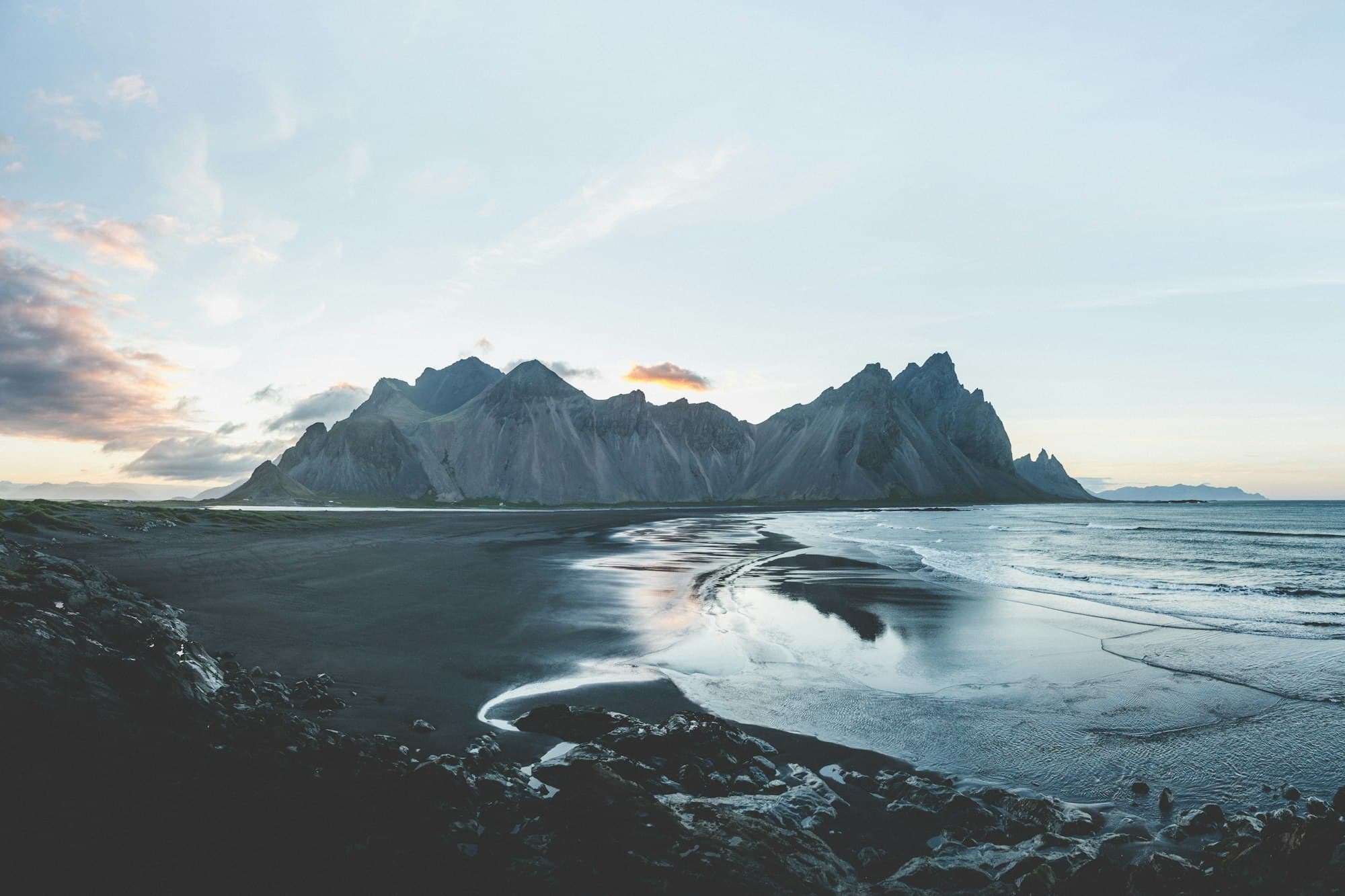
Best Time to Visit Iceland
Discover the best months to visit Iceland based on weather, daylight hours, crowds, waterfalls, and northern lights.
Iceland is a land of dramatic contrasts where fire meets ice, and the experience you have depends heavily on when you visit. Timing your trip to Iceland isn't just about avoiding crowds or finding cheaper flights—it's about choosing between midnight sun and northern lights, accessible highlands and cozy winter retreats, vibrant green landscapes and otherworldly ice caves.
The seasons in Iceland are extreme. Summer brings nearly 24 hours of daylight, mild temperatures, and full access to the entire island. Winter offers the magical aurora borealis, dramatic ice formations, and a completely different atmosphere. Shoulder seasons provide a balance of both worlds with fewer tourists and reasonable weather.
In this comprehensive guide, you'll learn exactly when to visit Iceland based on your priorities—whether that's chasing waterfalls, spotting the northern lights, driving the Ring Road, or simply finding the best weather. We'll break down each season, compare summer versus winter travel, and help you determine the perfect time for your Iceland adventure.
Iceland Travel Seasons Overview
Summer (June–August)
Peak season with midnight sun, warmest temperatures (50–60°F), and full accessibility to all regions including the highlands. Expect long daylight hours (up to 21 hours), vibrant green landscapes, and the most tourists.
Shoulder Seasons (May & September)
The sweet spot for many travelers. May offers spring awakening with longer days and fewer crowds. September brings autumn colors, possible northern lights, and pleasant weather. Both months offer moderate temperatures (40–50°F) and reasonable prices.
Winter (October–April)
Northern lights season with dramatic winter landscapes, ice caves, and a magical atmosphere. Temperatures range from 25–40°F with limited daylight (4–5 hours in December). The highlands are closed, but the south coast and Reykjavik area remain accessible.
Best Time to Visit Iceland by Month
| Month | Weather | Crowds | Best For |
|---|---|---|---|
| January | Cold (25–32°F), snowy, 4–5 hours daylight | Low | Northern lights, ice caves, winter activities |
| February | Cold (28–34°F), increasing daylight | Low | Northern lights, ice caves, fewer crowds |
| March | Cool (30–38°F), longer days | Low–Moderate | Late northern lights, spring awakening |
| April | Cool (35–43°F), unpredictable | Moderate | Spring landscapes, puffin season begins |
| May | Mild (40–50°F), long days | Moderate | Waterfalls, lupine flowers, fewer tourists |
| June | Warm (48–55°F), midnight sun | High | Midnight sun, highlands open, best weather |
| July | Warmest (50–60°F), long days | Very High | Hiking, camping, full accessibility |
| August | Warm (48–57°F), still bright | Very High | Late summer activities, puffins still present |
| September | Cool (43–50°F), autumn colors | Moderate | Northern lights return, fewer crowds |
| October | Cool (37–45°F), shorter days | Low–Moderate | Northern lights, autumn landscapes |
| November | Cold (30–38°F), limited daylight | Low | Northern lights, winter solitude |
| December | Cold (27–35°F), shortest days | Low–Moderate | Christmas atmosphere, northern lights |
Peak Tourist Season in Iceland
Iceland's peak tourist season runs from mid-June through August, with July being the absolute busiest month. During this period, the country experiences an influx of visitors drawn by the midnight sun, warmest temperatures, and full accessibility to all regions including the remote highlands.
Why Peak Season is Popular
- Midnight Sun: Nearly 24 hours of daylight allows for extended sightseeing and photography
- Best Weather: Warmest temperatures (50–60°F) and most stable conditions
- Full Access: Highland roads open, all attractions accessible
- Wildlife: Puffins, whales, and other wildlife are most active
- Festivals: Most cultural events and festivals occur in summer
Pros of Peak Season
- •Best weather and warmest temperatures
- •All roads and attractions open
- •Maximum daylight for activities
- •Best time for hiking and camping
- •Vibrant green landscapes
Cons of Peak Season
- •Highest prices for flights and accommodation
- •Crowded attractions and parking lots
- •Need to book months in advance
- •No northern lights visible
- •Less authentic, more touristy experience
Who Should Visit During Peak Season?
Peak season is ideal for first-time visitors who want the most comfortable weather and full access to Iceland's attractions. It's perfect for families with children, those planning extensive road trips including the highlands, and travelers who prioritize outdoor activities like hiking and camping over budget considerations.
If you're flexible with dates, consider visiting in early June or late August to enjoy similar weather with slightly fewer crowds and better prices.
Best Time to Visit Iceland for Specific Experiences
Best Time to See Waterfalls
May through September is the optimal time to experience Iceland's waterfalls at their most powerful. Spring snowmelt in May and June creates massive water flows, making waterfalls like Gullfoss, Skógafoss, and Seljalandsfoss absolutely thunderous. The combination of high water volume and long daylight hours provides perfect conditions for photography and exploration.
Summer also offers the advantage of accessible roads to more remote waterfalls in the highlands. While winter waterfalls have their own frozen beauty, many become partially iced over or difficult to reach due to road closures.
Explore Iceland's most famous waterfallsBest Time for Northern Lights
September through March offers the best chances to see the aurora borealis, with peak viewing from November through February when nights are longest. You need dark skies to see the northern lights, which means the midnight sun months (May–August) are completely out.
September and March are particularly appealing as they offer a balance—dark enough nights for aurora viewing combined with milder weather and more daylight hours for daytime activities. December and January have the darkest skies but also the harshest weather and shortest days (only 4–5 hours of daylight).
Best Time for Road Trips
June through September is ideal for road trips, especially if you want to drive the complete Ring Road or venture into the highlands. The highland roads (F-roads) typically open in mid-June and close in September, limiting access to some of Iceland's most spectacular interior regions during other months.
Summer road trips benefit from long daylight hours, better weather, and fully accessible routes. However, if you're only planning to explore the south coast and main Ring Road, winter road trips (October–April) can be magical with fewer tourists, though you'll need to check driving conditions carefully and be prepared for challenging weather.
Best Time for Budget Travel
November through March (excluding Christmas/New Year) offers the lowest prices for flights and accommodation. You can often find deals 30–50% cheaper than peak summer rates. January and February are particularly budget-friendly as they fall between the holiday season and the start of spring tourism.
The shoulder months of May and September provide a middle ground—significantly cheaper than summer but with better weather and more daylight than deep winter. These months offer the best value for travelers who want to balance cost savings with comfortable conditions.
Summer vs Winter — Which is Better?
The choice between summer and winter Iceland depends entirely on your priorities. Both seasons offer completely different but equally magical experiences.
| Factor | Summer (June–August) | Winter (November–March) |
|---|---|---|
| Weather | Mild (50–60°F), occasional rain | Cold (25–40°F), snow and ice |
| Daylight | 18–21 hours (midnight sun) | 4–7 hours (short days) |
| Activities | Hiking, camping, highland access, whale watching | Northern lights, ice caves, winter sports, hot springs |
| Accessibility | All roads open, full access | Highlands closed, some roads limited |
| Crowds | Very high, busy attractions | Low to moderate, peaceful |
| Costs | Highest (peak season pricing) | Lower (30–50% cheaper) |
| Landscape | Lush green, vibrant colors, powerful waterfalls | Snow-covered, dramatic ice formations, frozen beauty |
| Best For | First-timers, families, outdoor enthusiasts, photographers | Aurora hunters, budget travelers, winter lovers, couples |
Choose Summer If You Want:
- Maximum daylight for sightseeing and photography
- Warmest weather and most comfortable conditions
- Access to highlands and remote areas
- Hiking, camping, and outdoor adventures
- Vibrant green landscapes and powerful waterfalls
Choose Winter If You Want:
- Northern lights and aurora borealis viewing
- Ice caves and dramatic winter landscapes
- Fewer crowds and more authentic experience
- Lower prices on flights and accommodation
- Cozy atmosphere and winter activities
Quick Answer: When Should You Visit Iceland?
The best time to visit Iceland depends on what you want to see and do.
Summer (June-August) offers midnight sun, warmest weather, and all roads open. Winter (November-March) is ideal for Northern Lights, ice caves, and winter activities. Spring and fall are perfect for fewer crowds and lower prices.
Summer (Jun-Aug)
Best for: Midnight sun, hiking, road trips
Warmest weather, all attractions open, peak crowds
Winter (Nov-Mar)
Best for: Northern Lights, ice caves
Magical winter landscapes, fewer tourists
Shoulder (Apr-May, Sep-Oct)
Best for: Value, fewer crowds
Good weather, lower prices, balanced experience
Frequently Asked Questions
When is the best time to visit Iceland?
The best time depends on your priorities. For the warmest weather and full accessibility, visit June through August. For northern lights and fewer crowds, choose November through March. For a balanced experience with good weather and moderate crowds, May and September are ideal. First-time visitors typically prefer summer (June–August) for the most comfortable conditions.
What is the cheapest time to visit Iceland?
January through March (excluding Christmas and New Year) offers the lowest prices, with flights and accommodation often 30–50% cheaper than summer rates. November and early December are also budget-friendly. The shoulder months of May and September provide better value than peak summer while maintaining more comfortable weather and longer daylight hours.
When can you see the northern lights in Iceland?
Northern lights are visible from September through March, with peak viewing from November through February when nights are longest and darkest. You cannot see the aurora during summer months (May–August) due to the midnight sun and lack of darkness. September and March offer a good compromise with dark enough nights for aurora viewing plus milder weather and more daylight for daytime activities.
Is summer or winter better for Iceland?
Summer (June–August) is better for first-time visitors, families, and those prioritizing outdoor activities, warm weather, and full accessibility. Winter (November–March) is better for northern lights enthusiasts, budget travelers, and those seeking a more intimate, less crowded experience. Summer offers 18–21 hours of daylight and access to all regions, while winter provides aurora viewing, ice caves, and dramatic winter landscapes with only 4–7 hours of daylight.
What month has the best weather in Iceland?
July typically has the best weather with the warmest temperatures (50–60°F), most stable conditions, and least rainfall. June and August are close seconds with similar conditions. However, Iceland's weather is notoriously unpredictable year-round, so even in summer you should prepare for rain, wind, and temperature fluctuations. The saying "if you don't like the weather in Iceland, wait five minutes" holds true regardless of season.