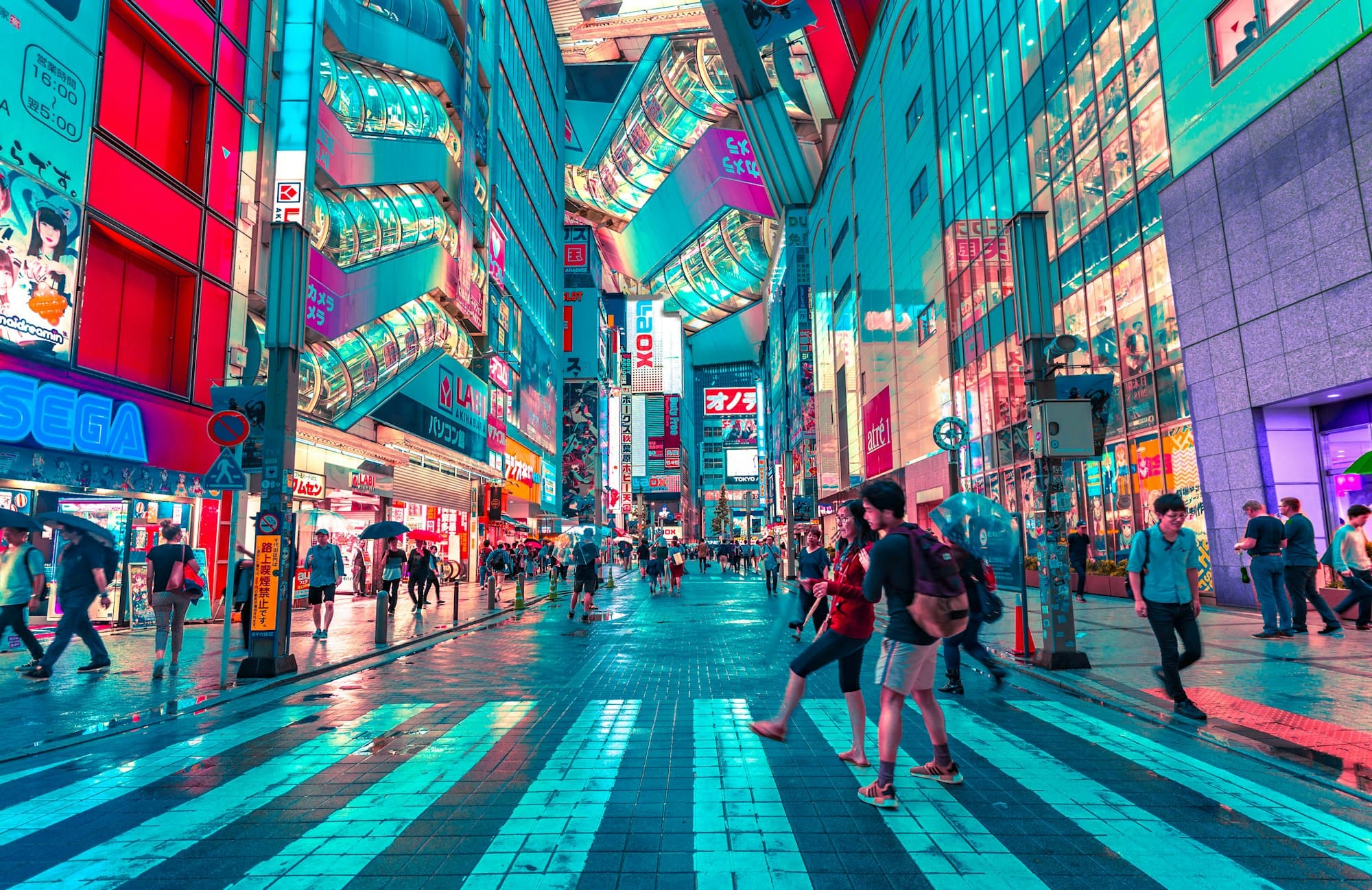
Tokyo is the world's largest metropolitan area and one of its most extraordinary experiences — a city of 13 million people that runs with breathtaking efficiency, cleanliness, and civility. It is simultaneously the most technologically advanced city on Earth and one of its most traditional: centuries-old shrines sit in the shadows of skyscrapers, ancient craft practices survive inside futuristic department stores, and the city's relationship with seasonality (cherry blossoms, autumn leaves, summer festivals) remains profound.
The food alone justifies the journey. Tokyo has more Michelin-starred restaurants than any other city in the world, but the most memorable meals are often at a 10-seat ramen counter, a standing sushi bar where the chef hand-picks that morning's fish, or a conveyor-belt sushi chain that somehow serves better fish than a Paris restaurant. Eating well here at every price level is the norm.
Top Things to Do in Tokyo
1. Senso-ji Temple, Asakusa
Culture & HistoryTokyo's oldest and most celebrated temple, dating to 628 AD. The Kaminarimon gate, Nakamise shopping street, and the five-storey pagoda are quintessential Tokyo.
Tip: Visit at dawn (5–7am) before the crowds arrive — the temple opens at 6am and is magical in early morning mist.
2. Shibuya Crossing
LandmarksThe world's busiest pedestrian crossing — up to 3,000 people cross simultaneously when the lights change, from every direction. Watch from the Starbucks or Mag's Park above for the full spectacle.
3. teamLab Planets (Toyosu)
Art & TechnologyAn immersive art museum where visitors walk through room-sized digital installations — flowers that bloom and die under your feet, infinity rooms of light, and rooms of swirling water. Genuinely extraordinary.
Tip: Book tickets in advance — teamLab sells out frequently. The experience takes 1–1.5 hours.
4. Shinjuku — Kabukichō & Golden Gai
Neighbourhoods & NightlifeTokyo's most intense district — the Kabukichō entertainment district, Golden Gai's narrow alley of 200 tiny bars (some fitting 8 people), and Shinjuku Gyoen's parkland for the cherry blossom season.
5. Tsukiji Outer Market
Food & CultureThe outer market of Japan's most famous fish market remains open for breakfast — tamagoyaki (egg omelette), fresh sea urchin, and sushi at 7am amid the fishmonger stalls.
6. Meiji Jingū Shrine & Harajuku
Culture & NeighbourhoodsA serene forested Shinto shrine in the middle of the city, dedicated to Emperor Meiji. The adjacent Harajuku is the centre of Japanese youth fashion culture and Takeshita Street's extraordinary street style.
7. Akihabara (Electric Town)
Culture & TechnologyTokyo's electronics and anime district — multi-storey stores selling manga, figurines, retro video games, and the latest electronics. A genuinely unique subculture of the city.
🏨 Find Hotels in Bali, Indonesia
Compare 2M+ properties on Booking.com — free cancellation on most stays. Filter by price, neighborhood, and traveler ratings.
Search Hotels in Bali, Indonesia →Affiliate link — we may earn a small commission at no extra cost to you.
🎟️ Top Experiences in Bali
Skip-the-line tickets and guided tours via GetYourGuide — free cancellation on most. We may earn a small commission at no extra cost to you.
Where to Eat in Tokyo
Ramen (everywhere)
Tokyo's ramen varies enormously by style — shoyu (soy), tonkotsu (pork broth), and tsukemen (dipping noodles) are the local favourites. Ichiran and Fuunji are reliable entry points.
Sushi at Tsukiji or Toyosu
Morning sushi at a standing counter — budget ¥2,000–4,000 for an exceptional 8-piece breakfast omakase at Tsukiji or Toyosu outer market stalls.
Tonkatsu (Maisen, Omotesando)
Japan's most beloved pork cutlet, panko-breaded and deep fried — Maisen in Omotesando is the Tokyo institution, in a converted bathhouse.
Convenience store food
Tokyo's 7-Eleven, FamilyMart, and Lawson are genuine culinary experiences — onigiri, katsu sandos, and hot oden are excellent and cost under ¥500.
Day Trips from Tokyo
Nikko
Two hours north by train — elaborate 17th-century Tokugawa shrines in a cedar forest, waterfalls, and mountain scenery.
Kamakura
1 hour south — the Great Buddha, Zen temples, and the Enoshima island, the most accessible historic day trip from Tokyo.
Hakone
1.5 hours southwest — hot spring town with views of Mount Fuji, an open-air sculpture museum, and the Hakone Ropeway.
Tokyo Travel Tips
Get a Suica or PASMO IC card
These rechargeable cards work on virtually all trains, subways, and buses in Tokyo (and Japan). Tap in and out without buying tickets — an enormous time saver.
Google Maps is excellent for Tokyo transit
Navigate Tokyo's extraordinarily complex train network with Google Maps — it provides real-time transit directions that Tokyoites themselves use.
Cash is still important
Despite being technologically advanced, Japan remains substantially cash-based. ATMs at 7-Eleven and Japan Post banks reliably accept foreign cards.
What to Pack for Tokyo
A few things worth having in your bag for Tokyo — chosen to match the trip:
Insect Repellent
Tropical evenings
Evenings in the tropics mean mosquitoes — a good repellent keeps the bites (and the worry about them) away so you can enjoy dinner outdoors.
Check Price on AmazonA Waterproof Dry Bag
Boat trips and beaches
Keeps your phone, cash, and camera bone-dry on boat trips, kayak tours, and beach days — once you travel with one near water, you never go back.
Check Price on AmazonReef-Safe Sunscreen
Beaches and snorkelling
The tropical sun is stronger than it feels — a reef-safe SPF protects your skin and the coral you came to snorkel, and many islands now require it.
Check Price on AmazonA Universal Travel Adapter
International trips
One adapter charges everything no matter which country you land in, and most add USB ports so the whole family can plug in at once.
Check Price on AmazonFrequently Asked Questions
When is the best time to visit Tokyo?
Cherry blossom season (late March–early April) is spectacular — Ueno Park, the Meguro River, and Shinjuku Gyoen are all breathtaking. Autumn (October–November) brings equally beautiful maple foliage. Avoid the rainy season (June) and peak summer heat (July–August).
Is Tokyo expensive?
Tokyo can suit any budget. Convenience store meals and ramen counters are very affordable (¥500–1,500 per meal). A mid-range restaurant runs ¥2,000–5,000 per person. The biggest expense is typically accommodation. The transit system is excellent value.
Is Tokyo easy to get around without speaking Japanese?
Yes — Tokyo is extremely foreigner-friendly. Major station signs are in English, Google Maps works perfectly for navigation, and many restaurants have picture menus or plastic food displays. Learning a few Japanese phrases is appreciated but not necessary.