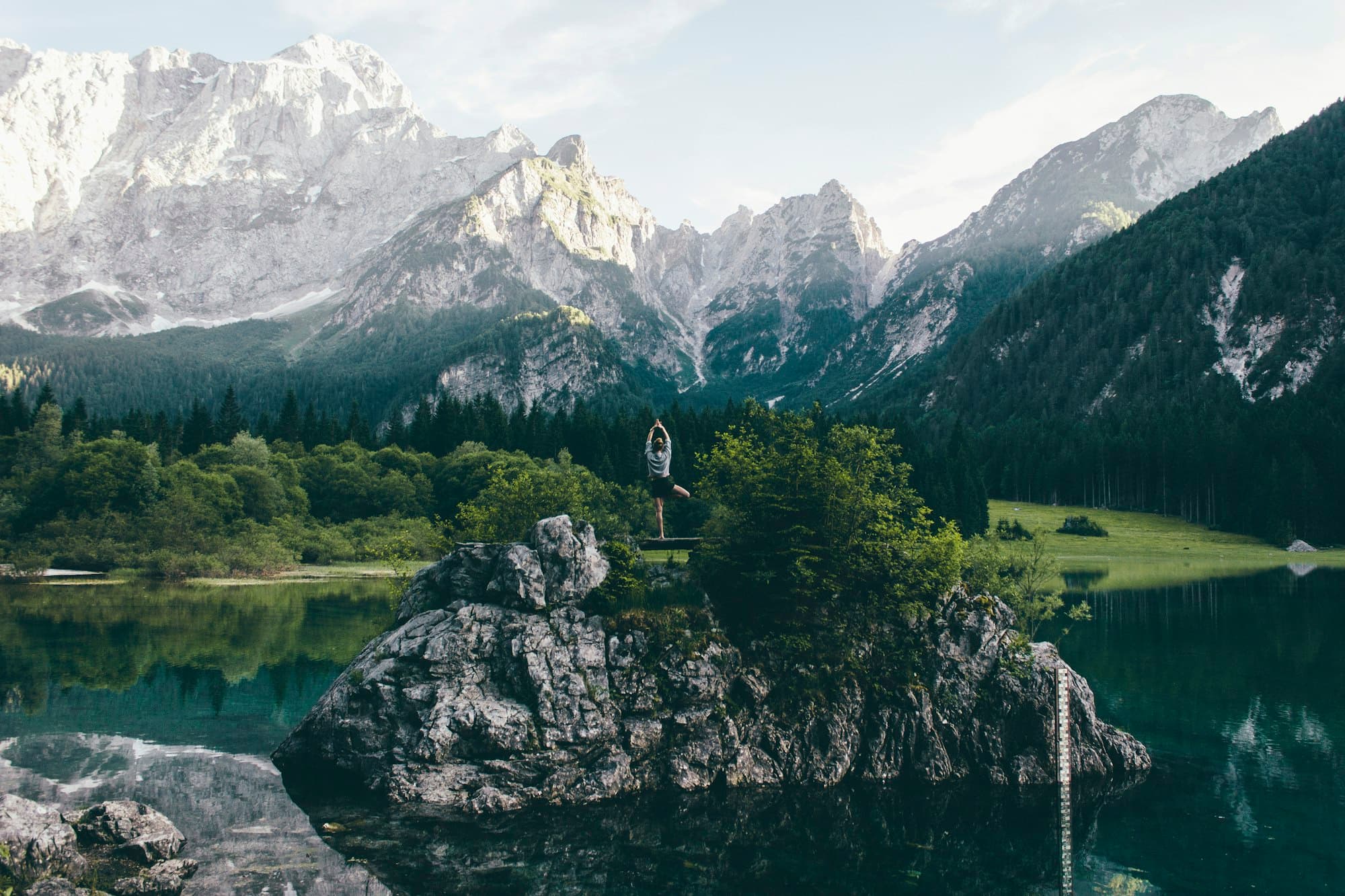
Iceland feels less like a country and more like a planet of its own — a place where waterfalls thunder off cliffs, geysers erupt from steaming fields, glaciers calve into lagoons of floating ice, and the night sky dances with the aurora. For a small island, it concentrates an extraordinary amount of raw natural drama into a single, very driveable loop.
The Ring Road (Route 1) circles the entire island and is the spine of most Iceland trips, passing nearly every famous sight along the way. Reykjavik, the small but characterful capital, makes a natural starting point, and the nearby Golden Circle delivers a greatest-hits tour for those short on time. The further you drive, the wilder and emptier it gets.
Best Time to Visit Iceland
Iceland is a year-round destination, but what you can do changes dramatically with the seasons. Summer brings near-endless daylight and full access to the whole country; winter brings the northern lights and ice caves but limited daylight and tougher driving.
See the full Iceland best-time guide, month by month →
The midnight sun gives nearly 24 hours of daylight, all roads (including the Highlands) open, and the weather is mildest. Peak season — book everything well ahead. No northern lights, as it never gets dark.
Fewer crowds, lower prices, and still-accessible main routes. September brings the first chance of northern lights while roads remain mostly open — a superb balance.
Prime northern lights and ice-cave season, with magical snowy landscapes. But daylight is very short (as little as 4–5 hours in December), and driving requires care and flexibility.
A transitional month — still a chance of auroras, lengthening days, but unpredictable weather and some Highland roads still closed.
Iceland Weather by Month
Figures for Reykjavik. Cool maritime climate; summer brings near-24-hour daylight, winter the Northern Lights.
| Month | Avg High | Conditions |
|---|---|---|
| Jan | 3°C / 37°F | Lights |
| Feb | 3°C / 37°F | Lights |
| Mar | 4°C / 39°F | Lights |
| Apr | 6°C / 43°F | Cool |
| May | 10°C / 50°F | Mild |
| Jun | 12°C / 54°F | Midnight Sun |
| Jul | 14°C / 57°F | Peak/Mild |
| Aug | 13°C / 55°F | Peak/Mild |
| Sep | 10°C / 50°F | Cool |
| Oct | 7°C / 45°F | Lights |
| Nov | 4°C / 39°F | Lights |
| Dec | 3°C / 37°F | Lights |
The Golden Circle
Iceland's most popular day route: the Þingvellir rift valley where two continents meet, the erupting Strokkur geyser, and the mighty Gullfoss waterfall — all within easy reach of Reykjavik.
The South Coast
A parade of icons: the waterfalls Seljalandsfoss (walk behind it) and Skógafoss, the black-sand beach at Reynisfjara, and the otherworldly Jökulsárlón glacier lagoon with its diamond beach.
Northern Lights
From roughly September to March, dark clear nights offer the chance to see the aurora dance overhead. Get away from town lights and check the aurora forecast for the best odds.
Geothermal Spas
Soaking in warm geothermal water surrounded by lava fields is quintessentially Icelandic. The Blue Lagoon is famous; the Sky Lagoon near Reykjavik and the Mývatn Nature Baths in the north are excellent alternatives.
The Westfjords & Highlands
For those with time, the remote Westfjords and the summer-only Highlands offer Iceland at its wildest — empty roads, dramatic fjords, and landscapes few visitors ever see.
🏨 Find Hotels in Reykjavik, Iceland
Compare 2M+ properties on Booking.com — free cancellation on most stays. Filter by price, neighborhood, and traveler ratings.
Search Hotels in Reykjavik, Iceland →Affiliate link — we may earn a small commission at no extra cost to you.
🎟️ Book Top Experiences in Iceland
Skip-the-line tickets, day trips, and guided tours — Viator lists experiences worldwide, with free cancellation on most bookings.
Browse Tours on Viator →Affiliate link — we may earn a small commission at no extra cost to you.
Where to Stay in Iceland
Choosing the right base shapes your whole trip. Here are the best areas for different travel styles:
Reykjavik · First/last nights, dining, day tours
The compact capital is the cultural hub and base for Golden Circle and south coast day tours. Good restaurants, museums, and nightlife.
Vík & the South Coast · Touring the south, glacier access
The small village of Vík is a strategic overnight on the way east, close to the black beaches and glacier lagoon.
Akureyri · The north, Ring Road touring
Iceland's "second city" in the north is the base for the Mývatn area, Goðafoss, and whale watching from Húsavík.
Countryside guesthouses · Ring Road road trips
For a full Ring Road loop, book a string of farm stays and guesthouses spaced a few hours apart. They fill up fast in summer.
Getting to Iceland
Most international visitors arrive at Iceland's main gateway (KEF). Flight times vary widely depending on where you're travelling from — a few hours from neighbouring countries, or the better part of a day from across the world. The fastest way to plan your journey is to check the exact flight time and compare fares from your home airport.
Getting Around Iceland
- Renting a car is essential for seeing Iceland beyond Reykjavik day tours. The Ring Road is paved and straightforward in summer; a 4x4 is needed for the Highlands (F-roads) and adds security in winter.
- Fuel is expensive and stations can be sparse in remote areas — fill up whenever you're below half a tank in the east and Westfjords.
- In winter, driving demands respect: check road.is for conditions and safetravel.is for alerts daily, and never underestimate Icelandic weather. Build buffer days into winter itineraries.
- If you'd rather not drive, guided multi-day tours and day trips from Reykjavik cover the highlights, and the Flybus connects the airport to the city.
Iceland Travel Budget
Iceland is genuinely expensive — among the priciest destinations in the world. Smart planning (self-catering, careful accommodation choices, and shoulder-season travel) makes a big difference.
Hostels and guesthouses, a rental car shared between travelers, self-catering from supermarkets (Bónus, Krónan), and the abundance of free natural sights.
Guesthouses and mid-range hotels, a mix of cooking and casual dining, a comfortable rental car, and a few paid experiences like a glacier walk.
Boutique hotels and countryside lodges, fine dining, private guides, and premium experiences such as helicopter tours or private aurora hunts.
Essential Iceland Travel Tips
Buy alcohol at the airport duty-free
Alcohol is heavily taxed and only sold in state Vínbúðin shops with limited hours. If you want a drink, buy it at the arrivals duty-free shop right after you land — locals do.
Pack for four seasons in one day
Icelandic weather is famously changeable. Waterproof layers, a warm mid-layer, and sturdy footwear are essential year-round. A swimsuit for the hot springs is a must.
Respect nature and stay on paths
Iceland's moss and landscapes are fragile and slow to recover. Stay on marked trails, never drive off-road (it's illegal and damaging), and keep a safe distance from cliff edges and waves.
Tap water is perfect
Icelandic tap water is some of the cleanest on Earth — never buy bottled water. Bring a reusable bottle and refill it everywhere.
📶 Need Mobile Data While Traveling?
Activate an international eSIM in minutes, skip expensive roaming fees, and stay connected the moment you land — no physical SIM card needed.
Get a Travel eSIM with Yesim →Affiliate link — we may earn a small commission at no extra cost to you.
Plan your trip to Iceland
Flying into Iceland
Entry & visas
Frequently Asked Questions
What is the best time to visit Iceland?
It depends on your priorities. Summer (June–August) offers the midnight sun, the mildest weather, and full access to the whole country, making it best for road trips and hiking. For the northern lights, visit between September and March. May and September are excellent shoulder-season compromises.
Can you see the northern lights in summer?
No. Between late May and mid-August, Iceland experiences the midnight sun and the sky never gets fully dark, so the aurora cannot be seen even when it's active. For northern lights, visit during the darker months from September to March.
How many days do you need in Iceland?
To drive the full Ring Road comfortably, plan 7–10 days. With only 3–4 days, focus on Reykjavik, the Golden Circle, and the south coast. A week lets you see far more of the island without rushing.
Is Iceland very expensive?
Yes — Iceland is one of the most expensive countries to visit. Save money by self-catering from budget supermarkets, choosing guesthouses over hotels, sharing a rental car, traveling in shoulder season, and taking advantage of the many free natural attractions.
Do I need a 4x4 in Iceland?
For the paved Ring Road and main sights in summer, a regular car is fine. You need a 4x4 to access the Highland F-roads (summer only) and it adds safety and capability for winter driving. Match the vehicle to your route and season.