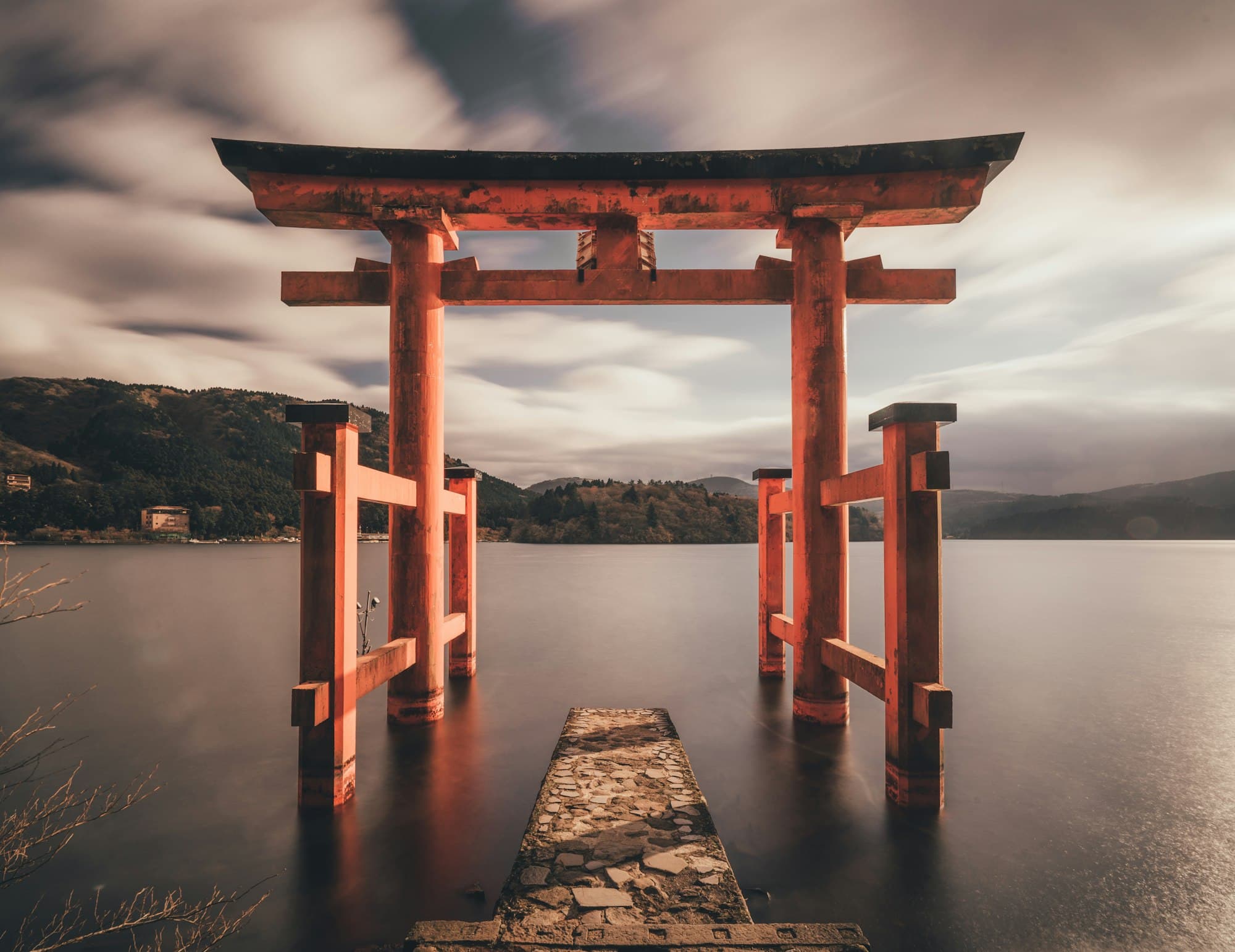
Japan is a country of profound contrasts that somehow coexist seamlessly — centuries-old temples beside neon skyscrapers, meticulous tradition alongside cutting-edge technology, frenetic cities a short train ride from utterly silent mountain villages. It rewards the curious traveler like few places on Earth, and its reputation for cleanliness, safety, and almost supernatural efficiency is entirely deserved.
For first-timers, the classic "Golden Route" links Tokyo, Kyoto, and Osaka — and it's popular because it works, showcasing the modern capital, the cultural heart, and the food-obsessed kitchen of the nation. But Japan rewards going further: the snow country of the north, the tropical islands of Okinawa, and the spiritual trails of the Kii Peninsula are all worlds away from the bullet-train corridor.
Best Time to Visit Japan
Japan's two standout seasons are spring, for the famous cherry blossoms, and autumn, for spectacular foliage. Both offer mild weather and stunning scenery, though spring blossom season draws big crowds. Summer is hot and humid; winter is cold but excellent for skiing and hot springs.
Cherry blossom (sakura) season peaks late March to early April and is magical — but crowded and pricey. Late April and May bring pleasant weather and fewer crowds.
Hot, humid, with a rainy season in June–July. Summer festivals (matsuri) and fireworks are a highlight, and the northern regions stay more comfortable.
Spectacular fall foliage (koyo), crisp clear days, and comfortable temperatures. Arguably the best all-round time to visit, with November foliage stunning in Kyoto.
Cold but dry and clear in much of the country. Outstanding powder skiing in Hokkaido and the Japanese Alps, plus the joy of outdoor hot springs (onsen) in the snow.
Japan Weather by Month
Figures for Tokyo. Cherry blossom late Mar–Apr; a humid rainy season falls in June; autumn colours peak in November.
| Month | Avg High | Conditions |
|---|---|---|
| Jan | 10°C / 50°F | Cold |
| Feb | 11°C / 52°F | Cold |
| Mar | 14°C / 57°F | Blossom |
| Apr | 19°C / 66°F | Mild/Peak |
| May | 23°C / 73°F | Mild |
| Jun | 26°C / 79°F | Rainy |
| Jul | 30°C / 86°F | Hot/Humid |
| Aug | 31°C / 88°F | Hot/Humid |
| Sep | 27°C / 81°F | Warm |
| Oct | 22°C / 72°F | Mild/Peak |
| Nov | 17°C / 63°F | Autumn |
| Dec | 12°C / 54°F | Cold |
Tokyo
The capital is a universe of its own — the crossing at Shibuya, the temples of Asakusa, the electronics of Akihabara, the calm of the Meiji Shrine, and some of the best food in any city on Earth.
Kyoto's Temples & Geisha District
Over a thousand temples, the vermilion torii gates of Fushimi Inari, the golden Kinkaku-ji, the bamboo grove of Arashiyama, and the preserved geisha streets of Gion. Japan's cultural soul.
Osaka's Food Scene
Japan's kitchen, where eating is the main event. Dotonbori's neon canyon serves takoyaki, okonomiyaki, and kushikatsu late into the night.
Mount Fuji & Hakone
Japan's sacred peak is best admired from the hot-spring resort town of Hakone or the Fuji Five Lakes, both easy escapes from Tokyo.
The Bullet Train Experience
Riding the shinkansen at 300 km/h is a highlight in itself — punctual to the second, impossibly smooth, and the most civilised way to cross the country.
🏨 Find Hotels in Japan
Compare 2M+ properties on Booking.com — free cancellation on most stays. Filter by price, neighborhood, and traveler ratings.
Search Hotels in Japan →Affiliate link — we may earn a small commission at no extra cost to you.
🎟️ Book Top Experiences in Tokyo
Skip-the-line tickets, day trips, and guided tours — Viator lists experiences worldwide, with free cancellation on most bookings.
Browse Tours on Viator →Affiliate link — we may earn a small commission at no extra cost to you.
Where to Stay in Japan
Choosing the right base shapes your whole trip. Here are the best areas for different travel styles:
Tokyo — Shinjuku / Shibuya · First-timers, nightlife, transport
Central, endlessly entertaining, and on major train lines. Shinjuku and Shibuya put you in the thick of it with easy access everywhere.
Kyoto — Higashiyama / Gion · Temples, traditional atmosphere
Stay near the eastern temple district to wake up among Kyoto's most atmospheric streets and beat the day-trip crowds to the major sights.
Osaka — Namba · Food, nightlife, value
The heart of Osaka's legendary food scene, well connected and often cheaper than equivalent Tokyo or Kyoto accommodation.
A traditional ryokan · Cultural experience
At least one night in a ryokan (traditional inn) with tatami floors, a kaiseki dinner, and an onsen bath is an essential Japanese experience — Hakone and Kyoto are popular choices.
Getting to Japan
Most international visitors arrive at Japan's main gateway (HND). Flight times vary widely depending on where you're travelling from — a few hours from neighbouring countries, or the better part of a day from across the world. The fastest way to plan your journey is to check the exact flight time and compare fares from your home airport.
Getting Around Japan
- The Japan Rail Pass can offer great value if you're covering long distances by shinkansen, though recent price rises mean you should calculate whether it beats individual tickets for your specific route.
- IC cards (Suica or Pasmo) make city transport effortless — tap on and off trains, subways, and buses, and use them at convenience stores too. You can now add them to many phones.
- Japan's trains are astonishingly punctual and the network is dense. Apps like Google Maps give reliable, exact train times and platform numbers.
- Outside the cities, buses fill the gaps, and renting a car makes sense for rural regions like Hokkaido or the Japanese Alps. An International Driving Permit is required.
Japan Travel Budget
Japan is more affordable than its reputation suggests, thanks to excellent-value food (a great bowl of ramen costs little) and efficient transport. Accommodation and long-distance trains are the main expenses.
Hostels and capsule hotels, convenience-store and ramen-shop meals, IC-card city transport, and the abundance of free shrines and parks.
Business hotels or a ryokan night, a mix of casual and mid-range restaurants, and some intercity shinkansen travel.
High-end ryokan and hotels, kaiseki and sushi omakase dining, and premium experiences like private guides and first-class rail.
Essential Japan Travel Tips
Carry some cash
Japan is more cash-based than you'd expect. While cards are increasingly accepted, many smaller restaurants, shrines, and rural spots are cash-only. Convenience-store ATMs (7-Eleven) reliably accept foreign cards.
Learn the etiquette basics
Don't tip (it can cause confusion), don't eat while walking, be quiet on trains, and remove your shoes when entering homes, ryokan, and some restaurants. A little effort is deeply appreciated.
Get a connected eSIM or pocket Wi-Fi
Reliable data is essential for navigating Japan's train system. An eSIM activated before arrival, or a rented pocket Wi-Fi device, keeps you connected throughout.
Reserve popular experiences early
The teamLab digital art museums, certain themed cafés, sumo tournaments, and top sushi counters book out well in advance. Plan these before you arrive.
📶 Need Mobile Data While Traveling?
Activate an international eSIM in minutes, skip expensive roaming fees, and stay connected the moment you land — no physical SIM card needed.
Get a Travel eSIM with Yesim →Affiliate link — we may earn a small commission at no extra cost to you.
Plan your trip to Japan
Flying into Japan
Entry & visas
Frequently Asked Questions
What is the best time to visit Japan?
The two best times are spring (late March to May) for the cherry blossoms, and autumn (October to November) for fall foliage. Both offer mild weather and stunning scenery. Cherry blossom season is the most popular but also the most crowded and expensive.
How many days do you need in Japan?
Ten to fourteen days is ideal for a first trip covering the Golden Route — around 4–5 days in Tokyo, 3–4 in Kyoto with day trips, 1–2 in Osaka, plus a night in a ryokan or a Mount Fuji area excursion. Two weeks allows a more relaxed pace.
Is Japan expensive?
Less than many expect. Food offers excellent value — a superb ramen or set lunch is cheap — and city transport is efficient. The main costs are accommodation and long-distance shinkansen travel. Budget travelers manage on around ¥8,000–13,000 per day.
Do I need to speak Japanese?
You can manage without it in major cities and tourist areas, where signage and many menus include English. Outside the cities English is limited, so a translation app and learning a few polite phrases go a long way and are warmly received.
Is the Japan Rail Pass worth it?
It depends on your route. After significant price increases, the pass only pays off if you're making several long shinkansen journeys (for example a Tokyo–Kyoto–Hiroshima loop). For a Tokyo-focused trip with one or two intercity hops, individual tickets are often cheaper. Calculate your specific itinerary.