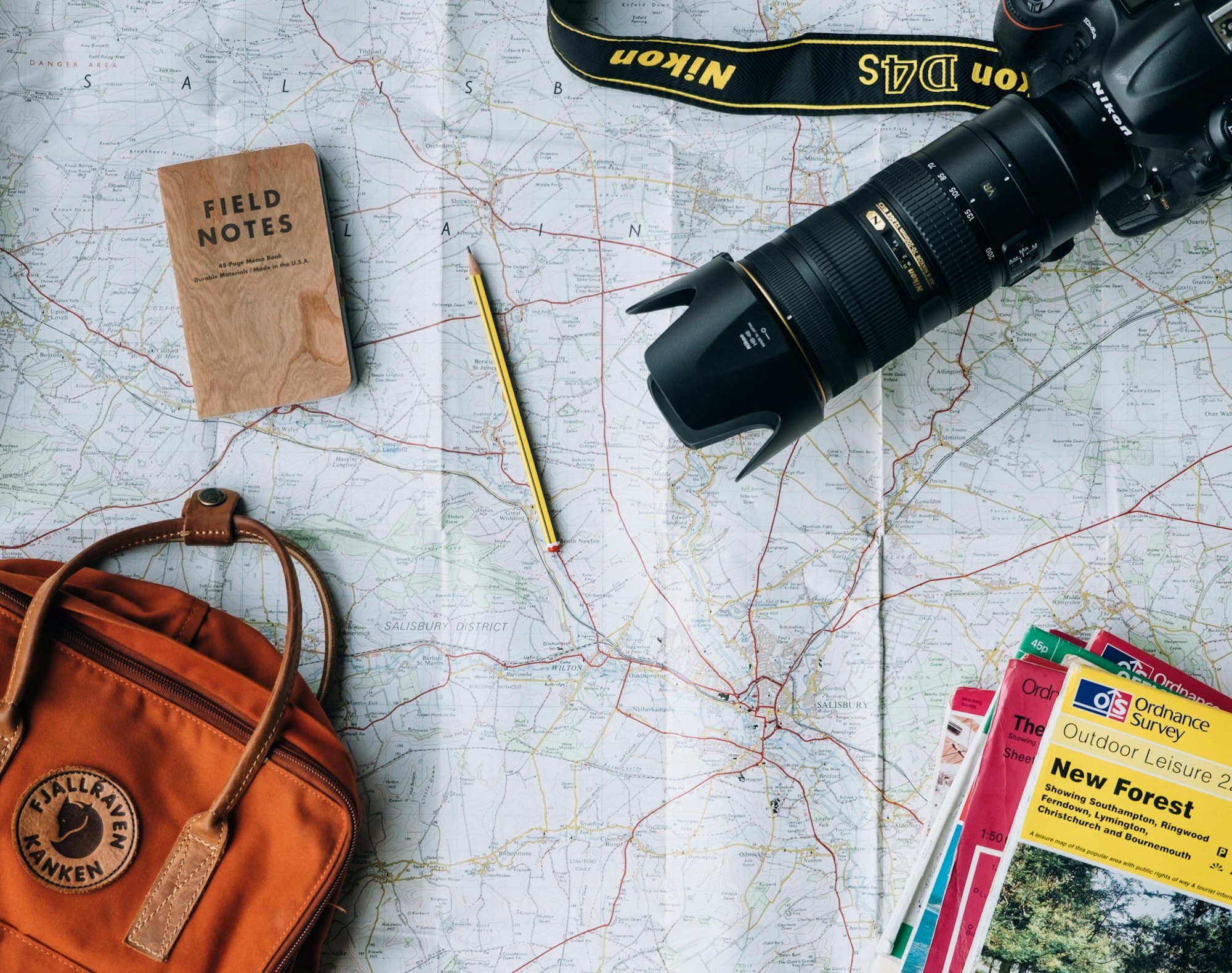
March is a month of dramatic contrasts — Japan bursts into cherry blossom season, northern Europe shows its first spring green, and Southeast Asia is in its final comfortable weeks before the heat. Here are the best places to travel in March.
Jump to a section5
Japan — Cherry Blossom Season Begins
Late March marks the start of Japan's legendary sakura season — blossoms open first in Tokyo and Kyoto, spreading north over the following weeks. It's one of the most visually spectacular travel experiences anywhere.
Iceland — Northern Lights & Long Dark Nights
March still has long, dark nights ideal for northern lights hunting, plus the bonus of milder temperatures and fewer visitors than midwinter. The Golden Circle and Blue Lagoon are at their best.
Southeast Asia — Final Dry Weeks
Thailand, Vietnam, and the wider region are still in dry season through March, though temperatures begin climbing. It's still excellent for beaches and temples before the April–May heat.
🏨 Find Hotels in Japan
Compare 2M+ properties on Booking.com — free cancellation on most stays. Filter by price, neighborhood, and traveler ratings.
Search Hotels in Japan →Affiliate link — we may earn a small commission at no extra cost to you.
🎟️ Book Top Experiences in Tokyo
Skip-the-line tickets, day trips, and guided tours — Viator lists experiences worldwide, with free cancellation on most bookings.
Browse Tours on Viator →Affiliate link — we may earn a small commission at no extra cost to you.
Patagonia — End of Summer Season
March is the last month of Patagonia's Southern Hemisphere summer — trekking conditions are still good, crowds are thinning, and the autumn colours begin to appear in the beech forests.
Morocco — Comfortable Desert Heat
Spring arrives in Morocco in March — pleasantly warm days, very little rain, and comfortable conditions for the Sahara and the medinas before the intense summer heat.
Frequently Asked Questions
When do cherry blossoms bloom in Japan in March?
Cherry blossoms typically begin opening in Tokyo and Kyoto in late March (around the 20th–25th depending on the year). Peak bloom ("mankai") usually falls in late March to early April. Check the Japan Meteorological Corporation's annual forecast for the latest predictions.
Where is warm in March?
Southeast Asia (Thailand, Vietnam) is warm and largely dry. The Caribbean and tropical Central America (Costa Rica) are in their dry season. Morocco, the Canary Islands, and Madeira are pleasantly spring-warm without summer heat.

About the author
SK Kutubuddin · Founder & Editor
The founder and editor of Travel and Time. An aeronautical engineer with close to two decades in aviation, I build the site’s flight, distance, and trip-planning tools myself and check every figure before it goes live. I write from Kolkata, India.
More about author →