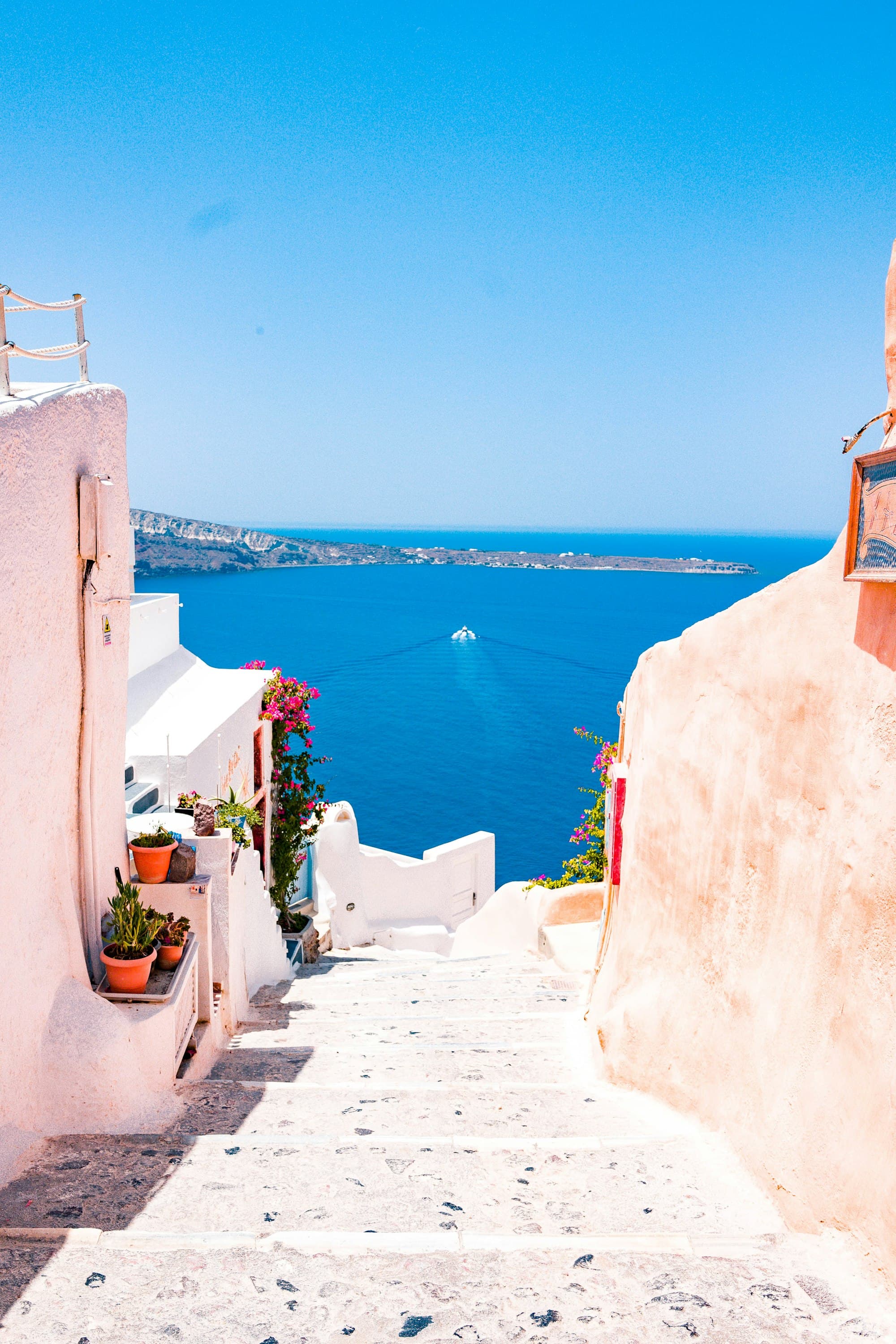
Greece is the birthplace of Western civilization and one of the world's most enduringly popular travel destinations — for good reason. The Acropolis above Athens, the caldera of Santorini, the monasteries of Meteora balanced on rocky pinnacles, and the golden beaches of Crete and Rhodes all represent a country that has been welcoming visitors since Herodotus was writing his Histories.
The islands are Greece's great offering — 6,000 of them, each with a distinct character, connected by a ferry network that makes island-hopping one of the world's great travel experiences. But mainland Greece is equally compelling: the Oracle at Delphi, the medieval city of Mystras, the wild Epirus mountains, and the Mani peninsula's tower houses all reward the traveller who ventures beyond the islands.
Best Time to Visit Greece
The shoulder seasons are far superior to peak summer for most visitors. May–June and September–October offer warm seas, comfortable temperatures, and dramatically thinner crowds (and lower prices) than July–August.
Wildflowers on the mainland, the sea warming from about 20°C in May to 24°C in June. Uncrowded islands and moderate prices. June is perhaps the single best month.
The meltemi wind cools the Cyclades but temperatures routinely exceed 35°C. Peak crowds, peak prices. The experience can still be magnificent but requires patience.
The sea is at its warmest (26°C+), crowds have gone, prices drop 30–50%, and the light is extraordinary. September is arguably Greece's finest travel month.
Islands largely close; Athens is quiet and atmospheric with mild weather. The mainland mountains have snow. A very different Greece, authentic and uncrowded.
Greece Weather by Month
Figures for Athens. Hot, dry summers and mild winters; May–Jun and Sep–Oct are ideal for the islands.
| Month | Avg High | Conditions |
|---|---|---|
| Jan | 13°C / 55°F | Mild |
| Feb | 14°C / 57°F | Mild |
| Mar | 16°C / 61°F | Spring |
| Apr | 20°C / 68°F | Shoulder |
| May | 26°C / 79°F | Warm/Peak |
| Jun | 31°C / 88°F | Hot |
| Jul | 34°C / 93°F | Very Hot |
| Aug | 34°C / 93°F | Very Hot |
| Sep | 29°C / 84°F | Warm/Peak |
| Oct | 23°C / 73°F | Mild |
| Nov | 18°C / 64°F | Mild |
| Dec | 14°C / 57°F | Mild |
Athens — Acropolis & Ancient Agora
The Parthenon on the Acropolis is one of humanity's greatest architectural achievements. The Acropolis Museum below it is world-class. The Ancient Agora, Kerameikos cemetery, and National Archaeological Museum complete an extraordinary ancient city.
Santorini
The world's most photographed island — the caldera villages of Oia and Fira perched on volcanic cliffs above the Aegean. Expensive and crowded in peak season; magnificent year-round.
Crete
Greece's largest island and a destination in itself — the Minoan Palace of Knossos, the Samaria Gorge (Europe's longest), Elafonisi's pink-sand beach, and a formidable food culture centred on olive oil and cheese.
Mykonos
The Cyclades' party island — windmills, Little Venice, Chora's labyrinthine white streets, and beach clubs that define the international Aegean summer. Best outside peak season for a more relaxed experience.
Meteora
Eastern Orthodox monasteries perched impossibly atop sheer rock pinnacles in central Greece — one of the most dramatic religious landscapes on Earth. A must-see on any mainland itinerary.
Delphi & the Peloponnese
The Oracle at Delphi (where ancient Greeks sought divine guidance) and the Peloponnese's Byzantine cities (Mystras), ancient theatres (Epidaurus), and the medieval Frankish castles of the Morea combine for a superb mainland road trip.
🏨 Find Hotels in Greece
Compare 2M+ properties on Booking.com — free cancellation on most stays. Filter by price, neighborhood, and traveler ratings.
Search Hotels in Greece →Affiliate link — we may earn a small commission at no extra cost to you.
🎟️ Book Top Experiences in Athens
Skip-the-line tickets, day trips, and guided tours — Viator lists experiences worldwide, with free cancellation on most bookings.
Browse Tours on Viator →Affiliate link — we may earn a small commission at no extra cost to you.
Where to Stay in Greece
Choosing the right base shapes your whole trip. Here are the best areas for different travel styles:
Athens — Plaka / Monastiraki · Acropolis access, history
Staying in Plaka puts you steps from the Acropolis. Monastiraki is noisier but has excellent street food. Psyrri is hipper and has the best independent restaurants.
Santorini — Oia or Imerovigli · Caldera views, romance
Oia for the famous sunset views; Imerovigli for a quieter alternative with equally spectacular caldera panoramas. Book cliff-side hotels months ahead.
Crete — Chania Old Town · Authentic island life, beaches
Chania's Venetian harbour is Crete's most beautiful base — excellent food, independent hotels, and within striking distance of western Crete's best beaches.
Rhodes — Old Town · Medieval history, island-hopping base
Rhodes' medieval walled city is a UNESCO World Heritage Site and one of the best-preserved in Europe. Staying inside the walls is an unusual experience.
Getting to Greece
Most international visitors arrive at Greece's main gateway (ATH). Flight times vary widely depending on where you're travelling from — a few hours from neighbouring countries, or the better part of a day from across the world. The fastest way to plan your journey is to check the exact flight time and compare fares from your home airport.
Getting Around Greece
- The Greek ferry network is extensive and excellent — Blue Star Ferries, SeaJets, and Hellenic Seaways connect Athens (Piraeus port) to the Cyclades, Dodecanese, Ionian, and Aegean islands. Book ahead for July–August sailings.
- Domestic flights (Olympic Air, Aegean) are cheap and fast for longer island hops (Athens to Crete, Athens to Rhodes). Check prices against ferries — short flights are often competitive.
- Within Athens, the metro is clean, cheap, and covers the major tourist areas. The city centre is very walkable.
- Renting a car or scooter is the best way to explore individual islands — public buses run but infrequently on smaller islands. International driving licence required for some rental companies.
Greece Travel Budget
Greece offers excellent value compared to northern Europe, with the best deals in the shoulder seasons. Island accommodation prices drop 30–50% between August and September.
Hostels and budget guesthouses, taverna meals, local ferry travel, and the many free beaches and archaeological sites.
Comfortable hotels, restaurant dinners, island ferry hops, and entry to the major archaeological sites.
Cave hotels and cliff suites in Santorini, high-end Mykonos clubs and restaurants, private catamaran charters.
Essential Greece Travel Tips
September beats August every time
The sea is warmer in September than June (26°C+ vs 22°C), crowds are gone, prices drop dramatically, and the light is extraordinary. If you can go in September instead of August, do.
Book Santorini accommodation very far ahead
Cliff-side accommodation in Oia and Imerovigli sells out a year in advance for July–August. For shoulder season, 2–3 months ahead is sufficient.
Eat where there are no menus outside
The best Greek tavernas have handwritten menus or chalk boards. Avoid any restaurant with laminated picture menus near a tourist site — the food will be mediocre and expensive.
Island-hopping works best with a rough plan
Ferries run frequently but not always conveniently. Plan ferry legs in advance and book the Santorini–Mykonos or Piraeus–island stretches ahead — they fill up in summer.
📶 Need Mobile Data While Traveling?
Activate an international eSIM in minutes, skip expensive roaming fees, and stay connected the moment you land — no physical SIM card needed.
Get a Travel eSIM with Yesim →Affiliate link — we may earn a small commission at no extra cost to you.
Plan your trip to Greece
Flying into Greece
Entry & visas
Frequently Asked Questions
What are the best Greek islands for a first visit?
Santorini (for the caldera views and sunsets), Mykonos (for beaches and nightlife), and Crete (for variety — beaches, history, food, and mountains) are the three classic first-timer islands. They're all accessible from Athens by ferry or flight.
How do I island-hop in Greece?
Book ferry tickets in advance (directferries.gr or getbyferryapp.com for routes and prices). A common first route: Athens → Mykonos (fast ferry 2.5h) → Santorini (ferry 2h) → back to Athens by fast ferry or flight.
Is Greece expensive?
Moderate — significantly cheaper than northern Europe. A good taverna meal with wine costs €20–30 per person. Peak-season Santorini is an exception: expect Paris-level hotel prices for caldera views in July–August.