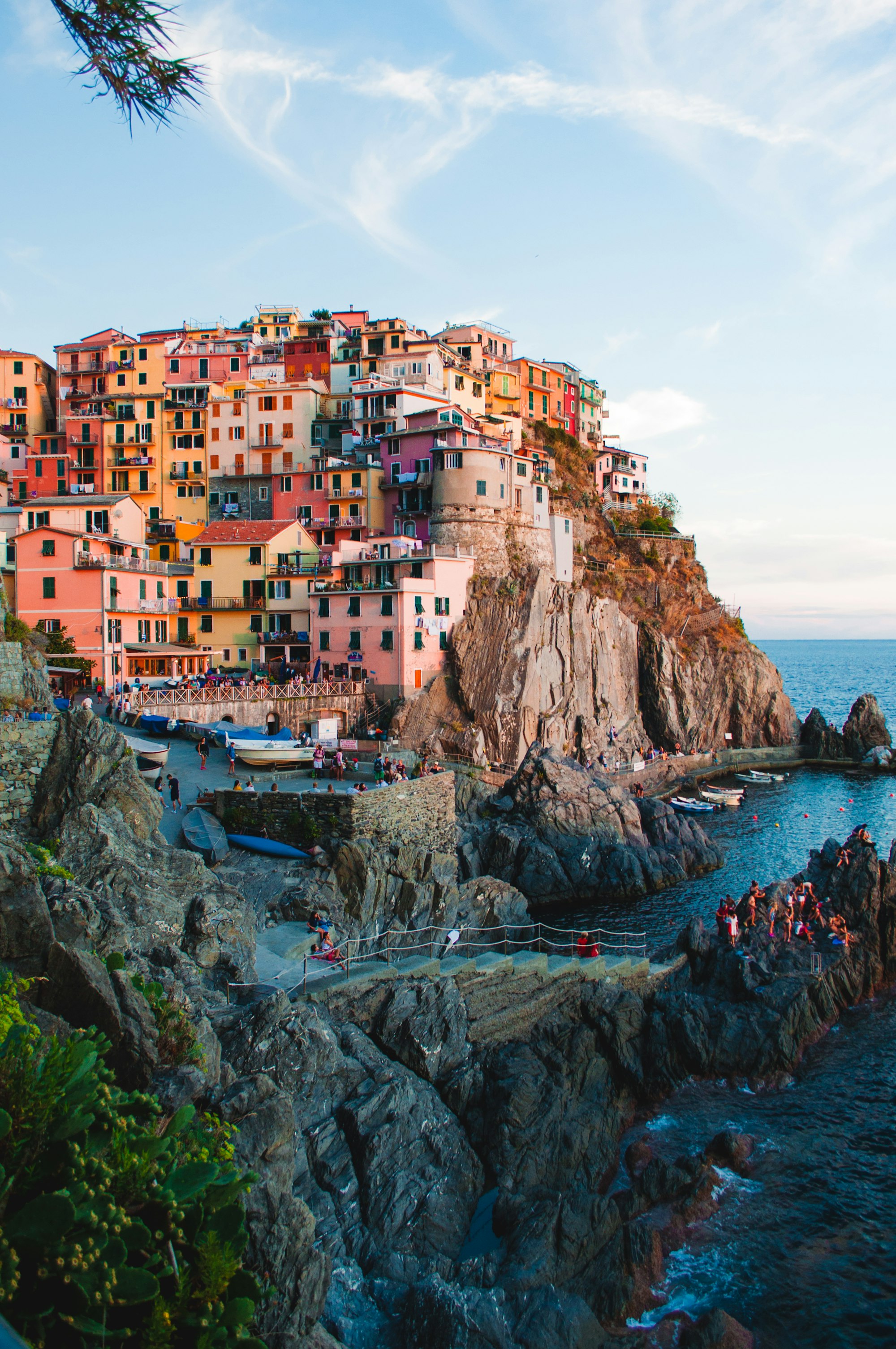
Italy can be one of Europe's best-value trips or a lavish indulgence, depending on how you travel — and a well-planned 10 days covering Rome, Florence, and Venice need not break the bank. Affordable, delicious food, walkable cities, and efficient trains keep costs reasonable for budget and mid-range travelers, while world-class hotels and dining offer plenty to spend on at the top. This guide breaks down exactly what a 10-day Italy trip costs in 2026, line by line.
We cover the full budget — international flights, accommodation, food, high-speed trains and local transport, and activities — across three tiers: budget, mid-range, and luxury. The itinerary we cost is the classic first-timer route of Rome, Florence with a Tuscan day trip, and Venice, the same as our 10-day Italy itinerary, though the per-day figures apply to any Italian trip.
All figures are approximate 2026 estimates in US dollars and vary with the season, your departure city, the exchange rate, and your choices — treat them as realistic planning ranges, not fixed quotes. Use our trip cost calculator and flight duration calculator to refine the numbers, and the where to stay in Rome guide to choose a base.
Some links in this guide are affiliate links: if you book through them we may earn a small commission at no extra cost to you. It never affects our recommendations.
Jump to a section11
- 01Quick Answer: How Much Does 10 Days in Italy Cost?
- 02Total 10-Day Italy Cost at a Glance
- 03Key Takeaways Before You Budget
- 04Flights to Italy
- 05Accommodation Costs in Italy
- 06Food & Drink Costs in Italy
- 07Transport Costs: High-Speed Trains & Getting Around
- 08Activities & Attractions Costs
- 09Sample Daily Budget in Italy
- 10How to Save Money on an Italy Trip
- 11How to Budget Your Own Italy Trip
Quick Answer: How Much Does 10 Days in Italy Cost?
As a rough guide for 2026, a 10-day trip to Italy costs around $1,500–2,600 per person for budget travelers, $2,800–4,800 for mid-range travelers, and $6,500 or more for luxury — including international flights, accommodation, food, transport, and activities. Excluding flights, the on-the-ground cost for the ten days runs roughly $900–1,500 (budget), $1,900–3,400 (mid-range), and $5,000+ (luxury) per person.
The biggest variables are international flights (which depend heavily on origin, and are minimal within Europe) and your accommodation tier, especially in pricey Venice. Food, trains, and sightseeing are moderate and predictable, so where you stay and how you fly determine most of the total.
Total 10-Day Italy Cost at a Glance
This table summarizes the total per-person cost for ten days in Italy across the three tiers, both including and excluding international flights. Figures are approximate 2026 estimates that vary by season and origin (and are much lower for intra-European travelers).
| Tier | Flights (intl, round-trip) | Land cost (10 days) | Total per person |
|---|---|---|---|
| Budget | $400–1,000 | $900–1,500 | $1,300–2,500 |
| Mid-range | $600–1,200 | $1,900–3,400 | $2,500–4,600 |
| Luxury | $1,000–2,200+ | $5,000–9,000+ | $6,000–11,000+ |
Key Takeaways Before You Budget
- A mid-range 10 days in Italy costs roughly $2,800–4,800 per person all-in, including international flights.
- Flights and accommodation are the biggest variables; Venice is the priciest city for hotels.
- Book high-speed trains (Rome–Florence–Venice) in advance — advance fares are far cheaper than walk-up prices.
- Reserve major sights (Colosseum, Vatican, Uffizi) online to skip queues; entry fees are moderate at $20–25 each.
- Travel in spring or autumn shoulder seasons for cheaper flights and hotels with pleasant weather.
- Intra-European travelers pay far less for flights, lowering the total significantly versus long-haul visitors.
Flights to Italy
International flights are typically the largest cost for long-haul visitors and vary by origin. As a 2026 guide for round-trip economy fares: from the US, roughly $500–1,200 (more from the West Coast and in summer); from within Europe, often just $50–300 on budget airlines; from elsewhere, varying widely. Rome and Milan are the main long-haul gateways, with Venice and Florence also served. Prices peak in summer and over holidays.
To save, fly in the spring or autumn shoulder seasons, book a couple of months ahead, and consider an open-jaw ticket (into Rome, out of Venice) to match the itinerary and avoid backtracking. Use our flight duration calculator to compare routes and times from your city to Rome.
Accommodation Costs in Italy
Accommodation is the second big variable, and Italy offers options at every level. Budget travelers can use hostels, guesthouses, and B&Bs; mid-range travelers find characterful 3–4 star hotels and boutique stays in central locations; and luxury travelers can choose landmark hotels and historic palazzos. Venice is consistently the most expensive of the three cities, so budget more for those nights.
The table below shows typical per-night rates for a double room in 2026. Over a 10-day trip (9 nights), that adds up to roughly $360–810 (budget), $1,080–2,250 (mid-range), or $3,150–7,200+ (luxury) per person, with Venice pushing the higher end. See our where to stay in Rome and best hotels in Rome guides to choose, and book early for peak seasons.
| Tier | Per night (double) | Typical type |
|---|---|---|
| Budget | $40–90 | Hostel, guesthouse, simple B&B |
| Mid-range | $120–250 | 3–4 star or boutique hotel |
| Luxury | $350–800+ | 5-star, historic palazzo hotel |
Need a place to stay? Compare hotels in Rome, Italy on Booking.com →
We may earn a small commission at no extra cost to you.
Food & Drink Costs in Italy
Eating in Italy can be wonderfully affordable, especially away from the most touristy spots. A pizza, a plate of pasta, or a panino costs little, an espresso at the bar is famously cheap, and a glass of house wine is inexpensive. Mid-range trattorias and enotecas are reasonable, while fine dining and Michelin restaurants offer plenty to spend on at the top end.
As a per-person daily guide: budget travelers eating at pizzerias, markets, and casual trattorias spend roughly $30–50 a day; mid-range travelers mixing trattorias with the odd nicer meal spend roughly $50–90; and luxury diners can spend $120–300+ on fine dining. A tip: drink your coffee standing at the bar (cheaper than table service), and watch for cover charges (coperto) and tourist-trap menus near the major sights.
| Tier | Food per day | Typical dining |
|---|---|---|
| Budget | $30–50 | Pizza, markets, casual trattorias |
| Mid-range | $50–90 | Trattorias, enotecas, some treats |
| Luxury | $120–300+ | Fine dining, Michelin restaurants |
🏨 Find Hotels in Italy
Compare 2M+ properties on Booking.com — free cancellation on most stays. Filter by price, neighborhood, and traveler ratings.
Search Hotels in Italy →Affiliate link — we may earn a small commission at no extra cost to you.
🎟️ Book Top Experiences in Italy
Skip-the-line tickets, day trips, and guided tours — Viator lists experiences worldwide, with free cancellation on most bookings.
Browse Tours on Viator →Affiliate link — we may earn a small commission at no extra cost to you.
Transport Costs: High-Speed Trains & Getting Around
Transport in Italy is efficient and reasonably priced. The main intercity cost is the high-speed train between Rome, Florence, and Venice: booked in advance, the two legs together cost roughly $80–150 per person, far less than walk-up fares. Within the cities, much is walkable, with metros, buses, and trams costing only a euro or two per ride, plus the occasional taxi. Venice uses vaporetto water buses, where a day pass is worth it.
Airport transfers add a little: Rome's Leonardo Express from Fiumicino to Termini is about $15, and other airport links are similar. Overall, budget around $150–280 per person for all transport across the ten days (trains plus local plus airport), with the advance-booked high-speed trains being the main variable. A Tuscan day trip from Florence (tour or rental) may add $60–120.
| Transport | Approx. cost (per person) | Notes |
|---|---|---|
| High-speed trains (Rome–Florence–Venice) | $80–150 | Book in advance for the cheapest fares |
| Local transport (metro/bus/vaporetto) | $5–15/day | Venice vaporetto day pass worth it |
| Airport transfer (each way) | $10–20 | E.g. Rome Leonardo Express |
Activities & Attractions Costs
Sightseeing in Italy is moderate in cost, with the major paid sights charging entry fees of roughly $20–25 each: the Colosseum and Roman Forum combined ticket, the Vatican Museums and Sistine Chapel, and Florence's Uffizi and Accademia (for Michelangelo's David). Many churches, piazzas, and viewpoints are free, including some of Italy's greatest sights like the Pantheon and St. Mark's Square.
As a per-person daily guide, budget around $20–40 a day for sightseeing if you visit a major paid sight or two and enjoy the free piazzas, rising to $50–90+ a day if you add guided tours, skip-the-line passes, or a Tuscan wine tour. Booking timed-entry tickets online in advance is strongly recommended for the headline sights, which have long queues and often sell out.
Keep reading
 The Perfect 10-Day Italy ItineraryRome, Florence, Tuscany, and Venice by high-speed train in ten classic days
 Where to Stay in RomeA neighborhood-by-neighborhood guide to choosing the right Rome base — by travel style, budget, and the sights you came forBest Hotels in RomeHow to choose the right Rome hotel — the best neighborhoods, the landmark luxury names, and the best picks for every budget and…
Sample Daily Budget in Italy
Putting it together, here is a realistic per-person daily on-the-ground budget for Italy (excluding international flights and the one-off high-speed train cost), across the three tiers. Multiply by ten for a rough land cost, then add trains and your flights.
| Daily item | Budget | Mid-range | Luxury |
|---|---|---|---|
| Accommodation (per person) | $25–55 | $70–140 | $200–450+ |
| Food | $30–50 | $50–90 | $120–300+ |
| Local transport | $5–15 | $8–18 | $20–40 |
| Activities | $20–40 | $40–80 | $80–200+ |
| Daily total | $80–160 | $170–330 | $420–990+ |
How to Save Money on an Italy Trip
- Book high-speed trains weeks in advance — advance fares are a fraction of walk-up prices.
- Eat where locals do, away from the main sights; drink coffee standing at the bar, and enjoy aperitivo for cheap early-evening food and drinks.
- Reserve major sights online to skip queues and avoid premium reseller markups, and enjoy the many free churches and piazzas.
- Travel in spring or autumn shoulder seasons for cheaper flights and hotels with pleasant weather.
- Stay in B&Bs, guesthouses, or apartments, and consider basing slightly outside the priciest central streets (especially in Venice).
- Carry a refillable water bottle — Rome and Florence have free public drinking fountains everywhere.
- Use an open-jaw flight (into Rome, out of Venice) to match the route and avoid a costly backtrack.
How to Budget Your Own Italy Trip
Price round-trip fares from your city to Rome (or an open-jaw into Rome, out of Venice) for your dates. For long-haul visitors this is the largest, most variable cost; intra-European travelers pay far less.
Decide between budget (hostel/B&B), mid-range (3–4 star/boutique), or luxury, then multiply the nightly rate by your nights, budgeting more for Venice. This is the second-biggest cost.
Add the advance-booked high-speed train cost, then a daily allowance for food, local transport, and activities from the sample budget above, multiplied by your days.
Plug your numbers into our trip cost calculator to total everything and test scenarios, then build in a buffer for shopping, gelato, and the odd special meal or tour.
Frequently Asked Questions
How much does a 10-day trip to Italy cost?
As a 2026 guide, ten days in Italy costs roughly $1,300–2,500 per person for budget travelers, $2,800–4,800 for mid-range, and $6,500 or more for luxury, including international flights, accommodation, food, transport, and activities. Excluding flights, the on-the-ground cost runs about $900–1,500 (budget), $1,900–3,400 (mid-range), or $5,000+ (luxury) per person.
Is Italy expensive to visit?
Italy can be very affordable or quite expensive depending on how you travel. Food, trains, and many sights are moderate and good value, and budget travelers can manage on roughly $80–160 a day on the ground. Costs rise mainly through international flights (for long-haul visitors), accommodation tier, and pricey Venice, while intra-European travelers spend far less on flights.
What is the biggest cost of an Italy trip?
For long-haul visitors, international flights and accommodation are the two biggest costs and main variables. Flights vary by origin and season, and accommodation ranges from cheap hostels to expensive luxury hotels, with Venice the priciest city. Food, trains, and sightseeing are moderate and predictable by comparison.
How much money do I need per day in Italy?
On the ground (excluding flights and the one-off high-speed train cost), budget around $80–160 per person per day for budget travel, $170–330 for mid-range, and $420–990+ for luxury. This covers accommodation, food, local transport, and activities. Affordable food and free piazzas help keep daily costs reasonable.
How much are trains in Italy?
High-speed trains between Rome, Florence, and Venice cost roughly $80–150 per person for the two legs combined when booked in advance, far less than walk-up fares. Within cities, metros, buses, and trams cost only a euro or two per ride, and Venice's vaporetto water buses are best covered by a day pass. Booking high-speed tickets early is the key saving.
How much should I budget for food in Italy?
Food in Italy is good value, especially away from tourist spots. Budget travelers eating at pizzerias, markets, and casual trattorias spend roughly $30–50 a day, mid-range travelers about $50–90, and luxury diners $120–300+ on fine dining. Drink coffee standing at the bar to save, and watch for cover charges and tourist-trap menus near the major sights.
When is the cheapest time to visit Italy?
The spring and autumn shoulder seasons (roughly April–May and September–October, outside major holidays) offer the best balance of cheaper flights and hotels with pleasant weather and lighter crowds. Summer (especially August) and the Christmas and Easter holidays are the most expensive and busiest. Winter, outside the holidays, is the cheapest but cooler.
How can I save money on an Italy trip?
Book high-speed trains weeks ahead, eat where locals do (and drink coffee at the bar), reserve major sights online to skip queues, and travel in the shoulder seasons. Stay in B&Bs or apartments, base slightly outside the priciest central streets in Venice, carry a refillable water bottle for the free fountains, and use an open-jaw flight to avoid backtracking.
Does this budget include international flights?
Our headline totals include international flights, but we break out the land-only cost separately because flights vary so much by origin. As a 2026 guide, round-trip economy fares to Italy run roughly $500–1,200 from the US, just $50–300 from within Europe on budget airlines, and vary from elsewhere. Use our flight tool to estimate yours.

About the author
SK Kutubuddin · Founder & Editor
The founder and editor of Travel and Time. An aeronautical engineer with close to two decades in aviation, I build the site’s flight, distance, and trip-planning tools myself and check every figure before it goes live. I write from Kolkata, India.
More about author →