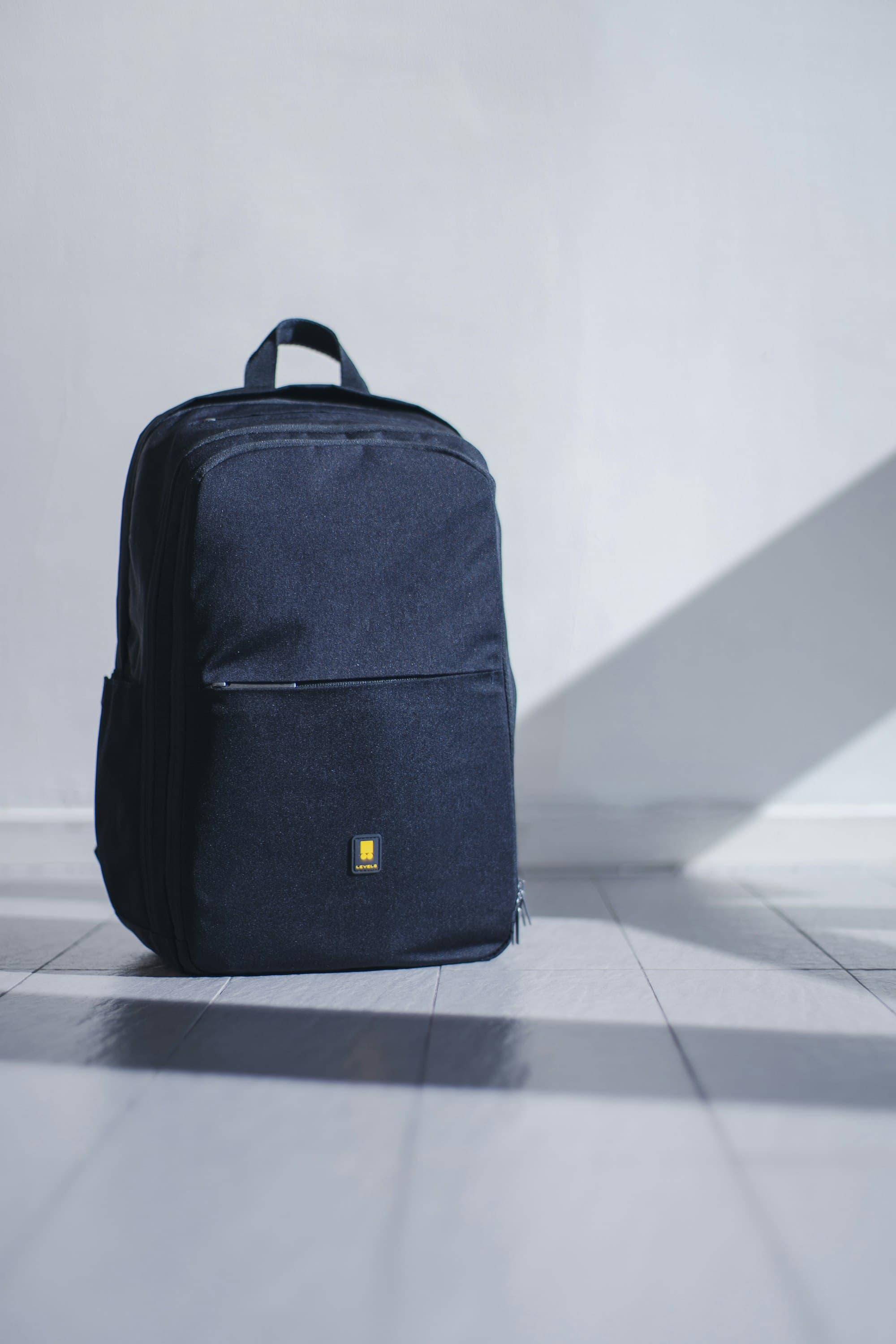
The Peak Design Travel Backpack 45L is the best travel backpack made for people who carry gear, not just clothes. Its three access points, expandable capacity, and modular ecosystem solve organisation problems that no other travel backpack in its class addresses as elegantly. The premium price is real — and for frequent travelers carrying cameras, multiple devices, and serious tech kit, it is fully justified.
Check Price on Amazon →We may earn a commission at no extra cost to you.
Most travel backpacks are designed around clothes. The Peak Design Travel Backpack 45L is designed around everything else too — cameras, multiple laptops, external monitors, drones, and the full kit a content creator or digital professional needs to function on the road. The result is a fundamentally different bag from anything in the $100–200 range.
Based on published specifications, 100+ verified buyer reviews, and direct comparison against the Osprey Farpoint 40, here is an honest assessment of who the Peak Design 45L is built for, where it delivers beyond its premium price, and where it falls short.
👍 Pros
- ✓Expands from 35L (carry-on mode) to 45L (full capacity) with a compression system — one bag, two use cases
- ✓Three access points (top, side, rear) mean you can reach any item without unpacking anything else
- ✓Fits two 16-inch laptops simultaneously — the only travel backpack in its class designed for multi-device professionals
- ✓Shoulder straps, hip belt, and sternum strap all stow completely — presents as luggage at check-in and in hotel lobbies
- ✓Luggage pass-through sleeve allows stacking directly on rolling suitcase handles
- ✓400D recycled nylon canvas with UltraZip #10 zippers — 100% positive buyer sentiment on build quality
- ✓Modular ecosystem: works with Peak Design Packing Cubes, Camera Cubes, and Tech Pouches for specialised organisation
- ✓B Corp certified — fully recycled materials, sustainability-backed lifetime guarantee
👎 Cons
- ✕Heavier than lighter travel packs at 4.5 lbs (vs 3.49 lbs for the Osprey Farpoint 40) — meaningful for ultralight travelers
- ✕Shoulder straps can be narrow for larger frames; check fit dimensions carefully above XL build
- ✕Multiple zippers require a learning curve — first-time users report initial confusion before the layout becomes intuitive
- ✕The modular ecosystem (packing cubes, camera cubes) is sold separately and adds significant cost to the full setup
Specifications
| Capacity | 35L (carry-on) / 45L (expanded) |
| Weight | 4.5 lbs (2.05 kg) |
| Dimensions (std) | 22" × 13" × 9.5" (carry-on mode) |
| Dimensions (exp) | 22" × 13" × 11" (expanded mode) |
| Laptop sleeve | Fits 16" MacBook Pro — fits 2 laptops simultaneously |
| Material | 400D recycled nylon canvas (weatherproof) |
| Zippers | UltraZip #10 (abrasion-resistant, weatherproof) |
| Compartments | 6 main sections + 5 pockets |
| Access points | Top, side, rear, luggage pass-through |
| Water resistance | Water-resistant coating (not waterproof) |
| Certification | B Corp certified, 100% recycled materials |
| Warranty | Lifetime (Peak Design promise) |
| Colors | Black, Sage, Coyote, Eclipse, Ocean |
Who Is This Actually Built For? (The Creator vs Hiker Split)
The single most useful frame for understanding the Peak Design 45L is to set it against the Osprey Farpoint 40. Both are premium travel backpacks with lifetime guarantees and carry-on compatibility. The Farpoint was designed by a hiking company for travelers who also walk far. The Peak Design was designed by a camera company for travelers who also carry a lot of gear.
If your bag typically contains clothes, a laptop, and a few accessories, the Farpoint 40 is the more ergonomic and cost-effective choice. If your bag regularly contains a mirrorless camera with lenses, multiple devices, an external monitor, and the accessories that a content creator or digital professional carries, the Peak Design solves organisation problems the Farpoint simply was not designed to solve.
The most efficient summary from their own positioning: if Osprey Farpoint is the backpacker's choice, Peak Design 45L is the creator's choice. Understanding which category your packing fits into resolves the buying decision clearly.
35L vs 45L Mode — When to Use Each
The compression system is not a gimmick. In 35L carry-on mode the bag meets standard carry-on dimensions (22 × 13 × 9.5 inches) for full-service international airlines. Compressed, it also fits under airplane seats, which is useful on short-haul flights or when the overhead bin is full.
Expanded to 45L, the depth increases to 11 inches. This pushes it beyond strict carry-on limits on some carriers and beyond most under-seat sizing. For checked trips, long expeditions, or overland travel where size limits are not a concern, the extra volume accommodates 10–14 days of travel clothing alongside a full tech kit.
The practical travel pattern most buyers report: compress to 35L for flights, expand to 45L when moving overland between accommodations or when packing for a longer leg. The transition takes about 30 seconds and does not require repacking the bag.
Three Access Points: The Feature That Changes How You Travel
Standard travel backpacks have one main compartment accessible from the front or top. The Peak Design has three fully independent access points: a top zip for quick-access items (documents, glasses, snacks, small accessories), a full side-panel zip for efficient packing and organisation, and a rear-panel zip for laptop and tablet access without opening the main compartment.
In practice, this means you rarely need to fully unpack anything mid-trip. The side panel opens the full bag like a suitcase, giving complete access to everything without flipping the bag over. The rear panel lets you pull your laptop for airport security without touching your clothes. The top zip gives you wallet, passport, and essentials without opening either.
For frequent flyers who go through security multiple times a week, this access system saves cumulative minutes across hundreds of trips. The TSA experience is notably cleaner — laptop out via the rear zip, bag stays closed, nothing falls out or needs to be repacked at the conveyor belt.
The Modular Ecosystem: Useful or Expensive Upsell?
Peak Design sells a set of Packing Cubes, Camera Cubes, and Tech Pouches designed to fit the 45L's internal geometry precisely. The packing cubes use a compression system compatible with the bag's compression design. The Camera Cubes fit lenses, bodies, and accessories in protective foam dividers that slot into the main compartment. The Tech Pouches organise cables, adapters, and accessories with the same precision.
For travelers who carry camera gear, the Camera Cube system is genuinely excellent — it converts the main compartment into a purpose-built camera bag without requiring a separate carry. For travelers without camera gear, the standard packing cubes add organisation but are not dramatically better than third-party cubes at a fraction of the cost.
The honest assessment: the ecosystem adds significant value for photographers and creators. For everyone else, the bag works well with any packing cubes and the ecosystem is optional rather than essential.
Build Quality: What Premium Materials Actually Mean Over Time
Peak Design's 400D recycled nylon canvas is denser and more abrasion-resistant than the fabric on most travel backpacks in its category. Buyers report that after years of intensive use — multiple weekly trips, tight overhead bin loading, bus holds — the fabric shows minimal wear at contact points that would typically show degradation on lighter-weight materials.
The UltraZip #10 zippers are the widest-gauge zip in the category and carry 100% positive sentiment in buyer reviews specifically on zipper performance. No skipping, no binding, no failure under tight packing loads. At 4.5 lbs the bag is heavier than lighter alternatives, but that weight is the cost of the denser material — not added bulk or unnecessary structure.
The lifetime guarantee from Peak Design covers manufacturing defects across the product's lifespan. As a B Corp certified company with a public sustainability commitment, this guarantee is backed by a brand whose reputation depends on it being honoured.
Is the Premium Price Justified? The Cost-Per-Trip Calculation
The Peak Design 45L sits at roughly 1.5–1.8x the price of the Osprey Farpoint 40. For a traveler who takes four or more trips per year and expects to use the same bag for a decade, the per-trip cost difference narrows to less than the cost of one checked bag fee.
The justification for the premium breaks along two clear lines. First, if your gear load includes cameras and multiple devices, the organisation system has no equivalent at any price — you are not paying for premium branding, you are paying for a genuinely different bag. Second, for travelers who pack only clothes and basic accessories, the Osprey Farpoint 40 or Tortuga 40L deliver 90% of the outcome at a significantly lower cost. The extra spend does not translate to proportional benefit for light packers.
The buying decision is most clear-cut at the extremes: definitely the Peak Design if you carry camera gear or complex tech setups; probably the Osprey or Tortuga if you carry clothes and a laptop.
Who it's best for
Content creators, photographers, and digital professionals who carry cameras, multiple laptops, or complex tech kits on frequent trips. Also ideal for organised travelers who use multiple access points heavily and value the modular ecosystem for one-bag travel over 5 to 14 days.
Frequently Asked Questions
Is the Peak Design Travel Backpack 45L worth the price?
For content creators, photographers, and frequent travelers carrying cameras or multiple devices, yes — the three-access-point system, modular ecosystem, and build quality justify the premium. For light packers who carry clothes and a single laptop, alternatives like the Osprey Farpoint 40 or Tortuga 40L deliver equivalent travel functionality at meaningfully lower cost.
Can the Peak Design Travel Backpack 45L fit in the overhead bin?
In 35L compressed mode (22 × 13 × 9.5 inches) it meets carry-on size limits for most full-service airlines including Delta, United, British Airways, and Lufthansa. Expanded to 45L (22 × 13 × 11 inches) it may exceed stricter airline limits. Fly compressed; expand when the size limit is not a constraint.
Does the Peak Design 45L work for photography and camera gear?
Yes — this is one of its primary design use cases. The main compartment accommodates Peak Design Camera Cubes (sold separately) that fit a mirrorless body with lenses, protected in foam dividers. The rear laptop sleeve keeps devices separate from camera gear. For photographers who also travel, this is the most capable carry-on-legal solution in its class.
What is the difference between 35L and 45L mode?
The bag uses a compression system that reduces depth from 11 inches (45L expanded) to 9.5 inches (35L compressed) without repacking. In 35L mode it meets standard carry-on dimensions for most airlines and fits under some airplane seats. In 45L mode it accommodates a full two-week load but may exceed strict carry-on limits. The transition takes about 30 seconds.
How does the Peak Design 45L compare to the Osprey Farpoint 40?
The Farpoint 40 (3.49 lbs) is lighter, has a better suspension harness for carrying over distances, and costs significantly less. The Peak Design 45L (4.5 lbs) has three access points, expandable capacity, fits two laptops, and integrates with a camera and tech gear ecosystem. Choose the Farpoint for hiking-heavy trips and light packing; choose the Peak Design for gear-heavy trips and urban travel where organisation and multi-device capacity matter most.
Is the Peak Design 45L good for hiking?
For light day hikes and urban walking, yes — the padded shoulder straps and sternum strap handle moderate loads comfortably. For serious multi-day hiking on technical terrain, the Farpoint 40 or a dedicated hiking pack is more appropriate. The Peak Design is optimised for airport-to-hotel-to-location transitions, not for sustained backcountry use.