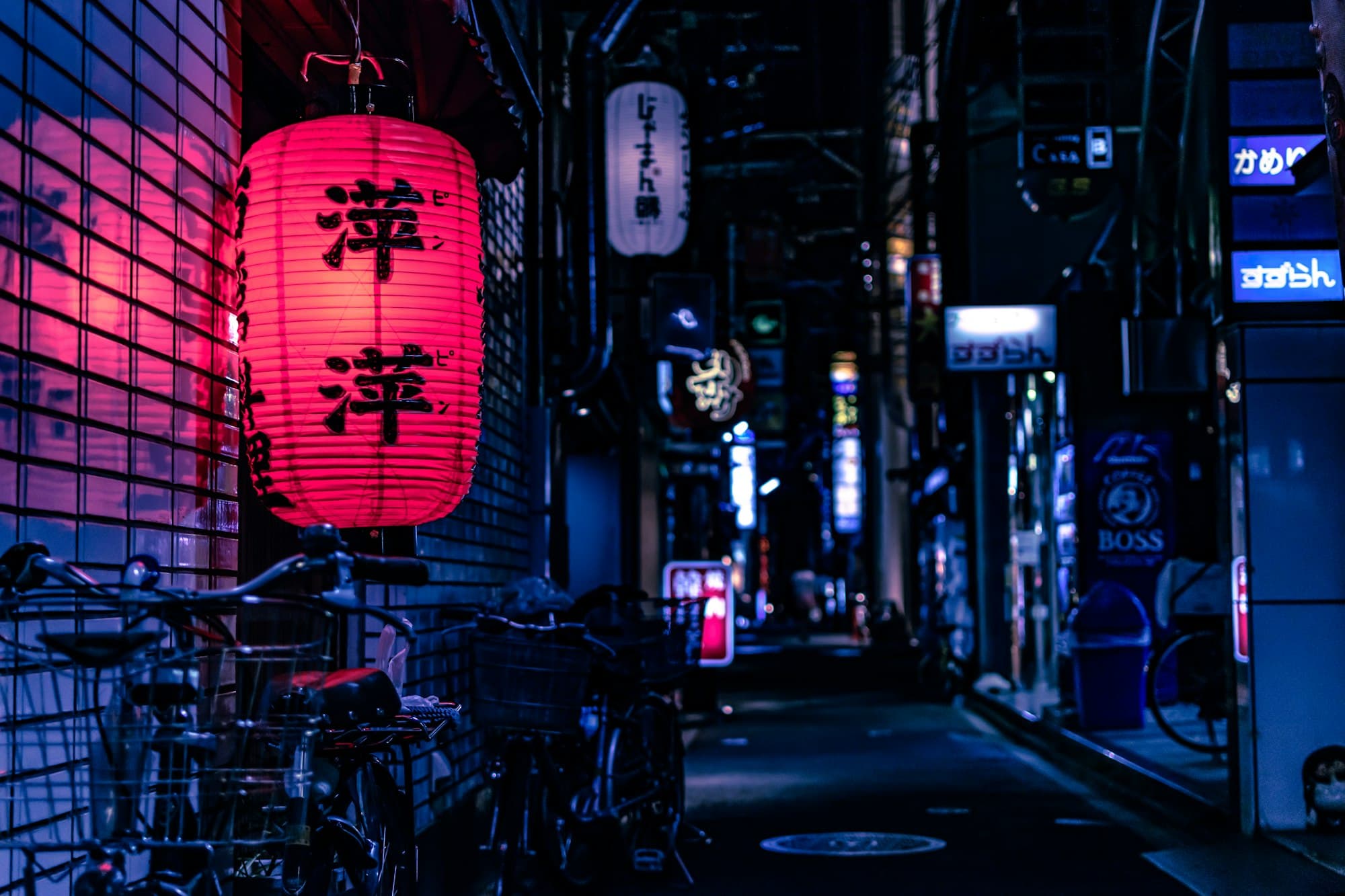
If you already know Tokyo has great neighborhoods and just want to know which one to book, this ranked guide is for you. Rather than describing every district in depth, it ranks Tokyo's seven best areas to stay against the criteria that actually decide a booking — convenience, value, dining, family-friendliness, and transport — and gives you a single clear pick for each type of traveler.
Our top-ranked area overall is Shinjuku, for the combination of unbeatable transport, endless amenities, and the widest hotel choice in the city. But "best" depends on who you are: couples, families, and budget travelers each have a different ideal base, and this guide names the winner for each. Use the scorecard to compare at a glance, then jump to the "best area for…" section for a straight answer.
For full neighborhood descriptions — vibe, what to see, and how each area feels — see our companion guide, where to stay in Tokyo. For the rest of your trip, see things to do in Tokyo, the Tokyo Haneda airport guide, and Japan visa requirements.
Some links in this guide are affiliate links: if you book through them we may earn a small commission at no extra cost to you. It never affects our rankings.
Jump to a section12
- 01Quick Answer: The Best Area for Each Traveler
- 02Tokyo's Best Areas Ranked: The Scorecard
- 03Key Takeaways
- 04#1 Shinjuku — Best Overall & for First-Timers
- 05#2 Shibuya — Best for Younger Travelers & Shopping
- 06#3 Ginza — Best for Couples & Luxury
- 07#4 Asakusa — Best for Tradition & Value
- 08#5 Tokyo Station / Marunouchi — Best for Day Trips & Business
- 09#6 Ueno — Best for Budget & Families on a Budget
- 10#7 Roppongi — Best for Nightlife & Art
- 11The Best Area for Your Specific Need
- 12Head-to-Head: How the Top Areas Compare
Quick Answer: The Best Area for Each Traveler
Best overall and for first-timers: Shinjuku. Best for younger travelers and shopping: Shibuya. Best for couples and luxury: Ginza. Best for tradition and value: Asakusa. Best for day trips and business: Tokyo Station / Marunouchi. Best for budget and families: Ueno. Best for nightlife and art: Roppongi.
If you want one safe answer for a first trip, book a hotel within a five-minute walk of a station in Shinjuku or Shibuya — both rank at the top for convenience and put the entire city within easy reach.
Tokyo's Best Areas Ranked: The Scorecard
Each area is rated out of five stars across the five criteria that most affect a booking decision. The overall rank reflects all-round suitability for the typical visitor; the "best for" column names where each area truly wins. Use it to shortlist, then read the ranked entries below.
| Rank | Area | First-Timers | Value | Dining/Nightlife | Families | Transport | Best For |
|---|---|---|---|---|---|---|---|
| 1 | Shinjuku | ★★★★★ | ★★★☆☆ | ★★★★★ | ★★★☆☆ | ★★★★★ | Overall & first-timers |
| 2 | Shibuya | ★★★★★ | ★★★☆☆ | ★★★★★ | ★★★☆☆ | ★★★★★ | Younger travelers, shopping |
| 3 | Ginza | ★★★★☆ | ★★☆☆☆ | ★★★★☆ | ★★★☆☆ | ★★★★☆ | Couples & luxury |
| 4 | Asakusa | ★★★★☆ | ★★★★★ | ★★★☆☆ | ★★★★☆ | ★★★☆☆ | Tradition & value |
| 5 | Tokyo Stn / Marunouchi | ★★★★☆ | ★★★☆☆ | ★★★☆☆ | ★★★☆☆ | ★★★★★ | Day trips & business |
| 6 | Ueno | ★★★☆☆ | ★★★★★ | ★★★☆☆ | ★★★★☆ | ★★★★☆ | Budget & families |
| 7 | Roppongi | ★★★☆☆ | ★★★☆☆ | ★★★★★ | ★★☆☆☆ | ★★★★☆ | Nightlife & art |
Key Takeaways
- Shinjuku ranks #1 overall for the typical visitor — top marks for transport, dining, and hotel choice.
- Shibuya is a near-tie for first place and the better pick for younger travelers and shoppers.
- For value, Asakusa and Ueno are unbeatable among central areas; for couples and luxury, Ginza wins.
- No top-ranked area is a poor choice — Tokyo's rail network means rank differences are about fit, not quality.
- Whichever you pick, prioritize a hotel within five minutes of a Yamanote Line or major metro station.
#1 Shinjuku — Best Overall & for First-Timers
Shinjuku takes the top spot for the same reasons it suits the widest range of travelers: it is home to the world's busiest station, so you can reach almost anywhere in Tokyo — plus the airports and day-trip destinations — with minimal transfers. Add the city's densest concentration of restaurants, shopping, and 24-hour amenities, and the largest hotel supply at every price point, and it becomes the safest all-round booking for a first visit.
Why it ranks #1: maximum transport, maximum amenities, maximum choice. The catch: it is busy and the Kabukicho nightlife quarter is lively at night, so light sleepers should book a hotel a couple of streets back, ideally toward the calmer southern Yoyogi side.
Need a place to stay? Compare hotels in Shinjuku, Tokyo on Booking.com →
We may earn a small commission at no extra cost to you.
#2 Shibuya — Best for Younger Travelers & Shopping
Shibuya ranks a very close second, matching Shinjuku for transport and energy while skewing younger and more fashion-forward. A wave of new towers and hotels around the station — alongside the famous scramble crossing and the Shibuya Sky observation deck — has made it one of the most exciting and stylish bases in the city, and it is the gateway to chic neighborhoods like Harajuku, Daikanyama, and Nakameguro.
Why it ranks #2: the same connectivity as Shinjuku with a trendier, more design-led feel. The catch: it runs slightly pricier and is less suited to travelers who want quiet or traditional atmosphere.
Need a place to stay? Compare hotels in Shibuya, Tokyo on Booking.com →
We may earn a small commission at no extra cost to you.
#3 Ginza — Best for Couples & Luxury
Ginza ranks third overall but takes the crown for couples and luxury travelers. Tokyo's most elegant shopping and dining district offers refined, calm evenings, an extraordinary concentration of acclaimed restaurants, and many of the city's landmark five-star hotels — all a short walk or single stop from Tokyo Station for easy bullet-train day trips.
Why it ranks here: unmatched elegance and dining, ideal for a romantic or upscale stay. The catch: it is the most expensive area and quiet at night, so it is less suited to budget travelers or those wanting a lively neighborhood.
Need a place to stay? Compare hotels in Ginza, Tokyo on Booking.com →
We may earn a small commission at no extra cost to you.
#4 Asakusa — Best for Tradition & Value
Asakusa ranks fourth overall and is the clear winner on value among atmospheric central areas. Centered on the Senso-ji temple, this low-rise eastern district delivers the traditional Tokyo many travelers picture — and does so at prices well below Shibuya or Ginza, with a strong supply of mid-range hotels and traditional-style stays. Families particularly favor its calmer streets.
Why it ranks here: the best blend of tradition, value, and family-friendliness. The catch: it sits in the northeast, so reaching the western hubs takes 20–35 minutes — fine with the metro, but not the shortest commute.
Need a place to stay? Compare hotels in Asakusa, Tokyo on Booking.com →
We may earn a small commission at no extra cost to you.
🏨 Find Hotels in Tokyo, Japan
Compare 2M+ properties on Booking.com — free cancellation on most stays. Filter by price, neighborhood, and traveler ratings.
Search Hotels in Tokyo, Japan →Affiliate link — we may earn a small commission at no extra cost to you.
🎟️ Top Experiences in Tokyo
Skip-the-line tickets and guided tours via GetYourGuide — free cancellation on most. We may earn a small commission at no extra cost to you.
#5 Tokyo Station / Marunouchi — Best for Day Trips & Business
The area around Tokyo Station ranks fifth overall but is the top choice for travelers doing multiple bullet-train day trips or combining business with leisure. Every shinkansen line departs from here, airport trains connect directly, and the polished Marunouchi district offers refined dining and comfortable hotels with one-transfer access to the whole country.
Why it ranks here: unbeatable for onward rail travel and seamless logistics. The catch: it is corporate and quiet after office hours, lacking the neighborhood buzz of Shinjuku or Shibuya.
Need a place to stay? Compare hotels in Marunouchi, Tokyo on Booking.com →
We may earn a small commission at no extra cost to you.
#6 Ueno — Best for Budget & Families on a Budget
Ueno ranks sixth overall but ties Asakusa for the best value in the city, making it the top budget pick. Anchored by a large park with Tokyo's leading museums, a zoo, and a down-to-earth market street, it is practical, green, and family-friendly, with a direct 45-minute train to Narita Airport and excellent Yamanote Line connections.
Why it ranks here: the lowest central rates plus a great airport link and museums for families. The catch: it is unpretentious rather than stylish, with little upscale dining or nightlife.
Need a place to stay? Compare hotels in Ueno, Tokyo on Booking.com →
We may earn a small commission at no extra cost to you.
Keep reading
 Where to Stay in TokyoA neighborhood-by-neighborhood guide to choosing the right base in Tokyo — by travel style, budget, and what you came to seeBest Hotels in TokyoHow to choose the right Tokyo hotel — the best areas, the landmark luxury names, and the best picks for every budget and travel…
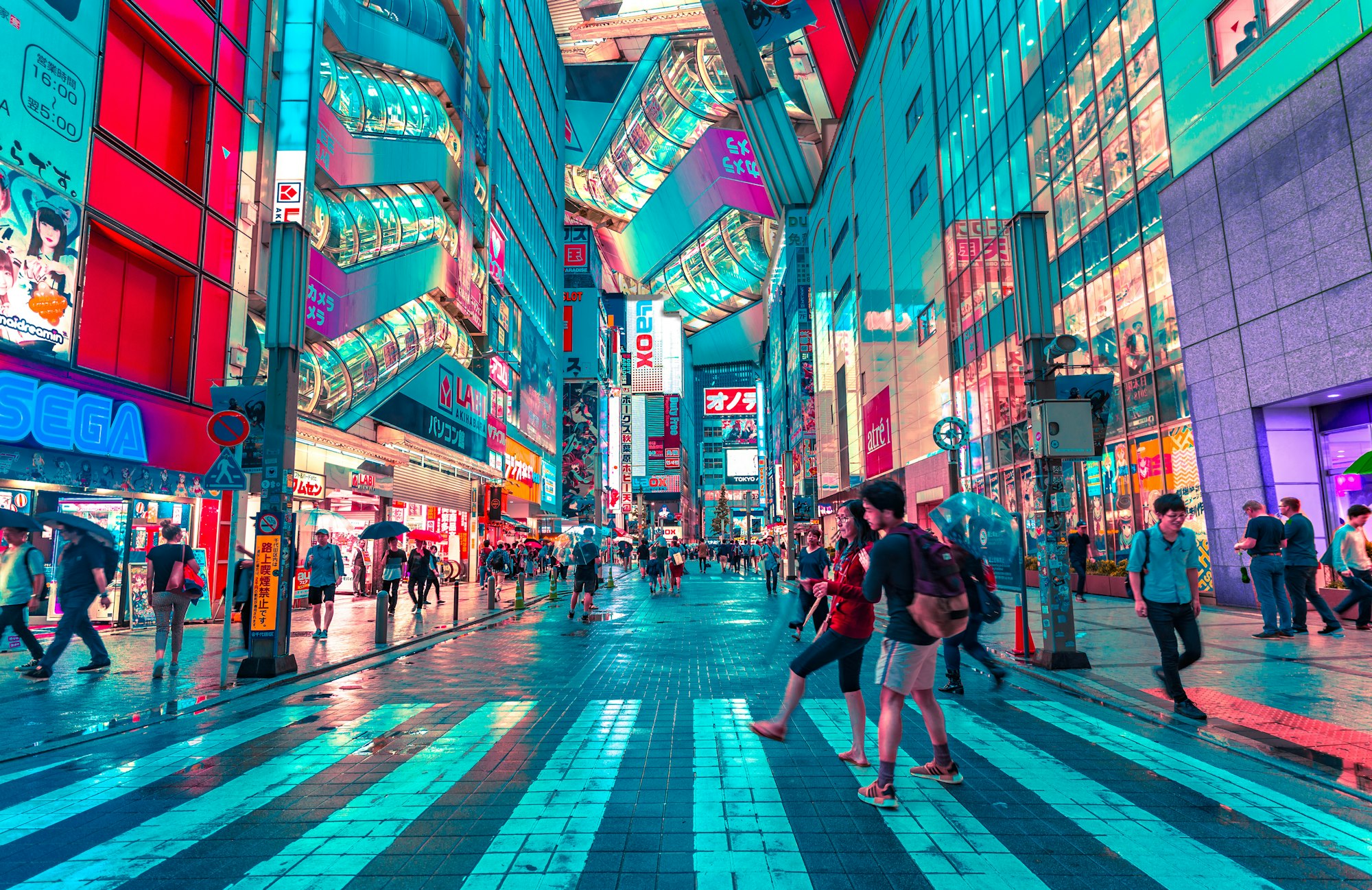 Things to Do in TokyoThe world's largest city — ancient temples, future-forward technology, and the planet's best food
#7 Roppongi — Best for Nightlife & Art
Roppongi rounds out the ranking as the top choice for nightlife and art lovers. Tokyo's most international district pairs a famous late-night scene with the "Art Triangle" of major museums and the upscale Roppongi Hills and Tokyo Midtown complexes, suiting travelers who want a glossy, expat-friendly base and do not mind mid-to-high rates.
Why it ranks here: the best combination of nightlife and art in the city. The catch: it is the least family-friendly of the seven, and light sleepers should book away from the main nightlife strip.
Need a place to stay? Compare hotels in Roppongi, Tokyo on Booking.com →
We may earn a small commission at no extra cost to you.
The Best Area for Your Specific Need
Top-ranked for transport, amenities, and hotel choice. Shibuya is an equally good, slightly younger alternative.
Elegant dining and calm evenings, with easy access to day trips. Shibuya suits couples who want more energy.
Calmer streets, traditional atmosphere, and good-value larger rooms; Ueno adds a big park and museums at the lowest rates.
The lowest central rates with strong transport and a direct Narita link. Asakusa is a close second.
Home to most of Tokyo's landmark five-star hotels and finest dining.
Roppongi for an international scene and art; Kabukicho in east Shinjuku for the neon experience.
One-transfer access to every shinkansen line — ideal if Tokyo is part of a wider Japan trip.
Head-to-Head: How the Top Areas Compare
Shinjuku vs Shibuya: the closest call. Both offer top-tier transport and energy. Choose Shinjuku for the widest hotel range, the best transport, and slightly better value; choose Shibuya for a younger, trendier feel and proximity to chic neighborhoods. First-timers are well served by either.
Ginza vs Shinjuku: a choice of mood. Ginza wins for couples, luxury, fine dining, and calm; Shinjuku wins for convenience, nightlife, choice, and value. If your trip is romantic or upscale, Ginza; if it is action-packed and varied, Shinjuku.
Asakusa vs Ueno: the value pair. Both deliver the lowest central rates and an eastern, traditional feel. Asakusa edges ahead on atmosphere and charm around Senso-ji; Ueno edges ahead on transport, museums, and the direct Narita airport link. For a deeper look at all of these, see our full where to stay in Tokyo guide, and use the distance calculator to map day trips.
Frequently Asked Questions
What is the single best area to stay in Tokyo?
For the typical visitor, Shinjuku is the best all-round area, ranking top for transport, amenities, and hotel choice. Shibuya is a very close second and the better pick for younger travelers and shoppers. Both put the entire city within easy reach, so first-timers cannot go far wrong with either.
Is Shinjuku or Shibuya better for a first trip to Tokyo?
Both are excellent and rank at the top of our list. Choose Shinjuku for the widest hotel range, the best transport links, and slightly better value; choose Shibuya for a younger, trendier atmosphere and proximity to stylish neighborhoods like Harajuku and Daikanyama. For a first trip focused on convenience, Shinjuku has a slight edge.
Which area of Tokyo is best for couples?
Ginza ranks as the best area for couples, offering Tokyo's most elegant dining, refined evenings, and landmark luxury hotels, with easy access to bullet-train day trips. Couples who prefer more energy often choose Shibuya, which pairs a lively scene with stylish hotels and chic nearby neighborhoods.
What is the best value area to stay in Tokyo?
Ueno and Asakusa tie for the best value among central Tokyo areas, both offering low room rates with strong transport links. Ueno edges ahead for its direct 45-minute train to Narita Airport and its museums, while Asakusa wins on traditional atmosphere. Both are well below the rates in Shibuya or Ginza.
Which Tokyo area is best for families?
Asakusa ranks best for families thanks to its calmer, low-rise streets, traditional atmosphere, and good-value larger rooms. Ueno is a strong budget-family alternative, adding a big park, museums, and a zoo at the city's lowest rates. Both are more child-friendly than the busy western hubs.
Where should I stay in Tokyo if I am doing day trips?
The Tokyo Station / Marunouchi area ranks best for day trips, since every bullet-train line departs from there, giving you one-transfer access to Hakone, Kyoto, Nikko, and beyond. Ginza, a short walk away, is a strong alternative that also offers excellent dining and a more characterful stay.
Is Roppongi a good area to stay in Tokyo?
Roppongi is the best area for nightlife and art lovers, pairing a famous late-night scene with major museums and upscale dining complexes. It suits travelers wanting a glossy, international base and is less ideal for families or those seeking quiet. Book a hotel away from the main nightlife strip if you want to sleep.
How do I choose between Tokyo's neighborhoods?
Start with your travel style: first-timers and convenience-seekers should pick Shinjuku or Shibuya; couples and luxury travelers, Ginza; families and budget travelers, Asakusa or Ueno; day-trippers, Tokyo Station. Then prioritize a hotel within five minutes of a Yamanote Line or major metro station. Our full where-to-stay guide describes each area in detail.
Does it matter which area of Tokyo I stay in?
It matters for fit rather than quality. Tokyo's rail network is so comprehensive that no central area is a poor choice, but the right one minimizes commuting and matches your travel style — energy in Shinjuku, elegance in Ginza, value in Ueno. Staying near a major station matters more than the specific neighborhood.

About the author
SK Kutubuddin · Founder & Editor
The founder and editor of Travel and Time. An aeronautical engineer with close to two decades in aviation, I build the site’s flight, distance, and trip-planning tools myself and check every figure before it goes live. I write from Kolkata, India.
More about author →