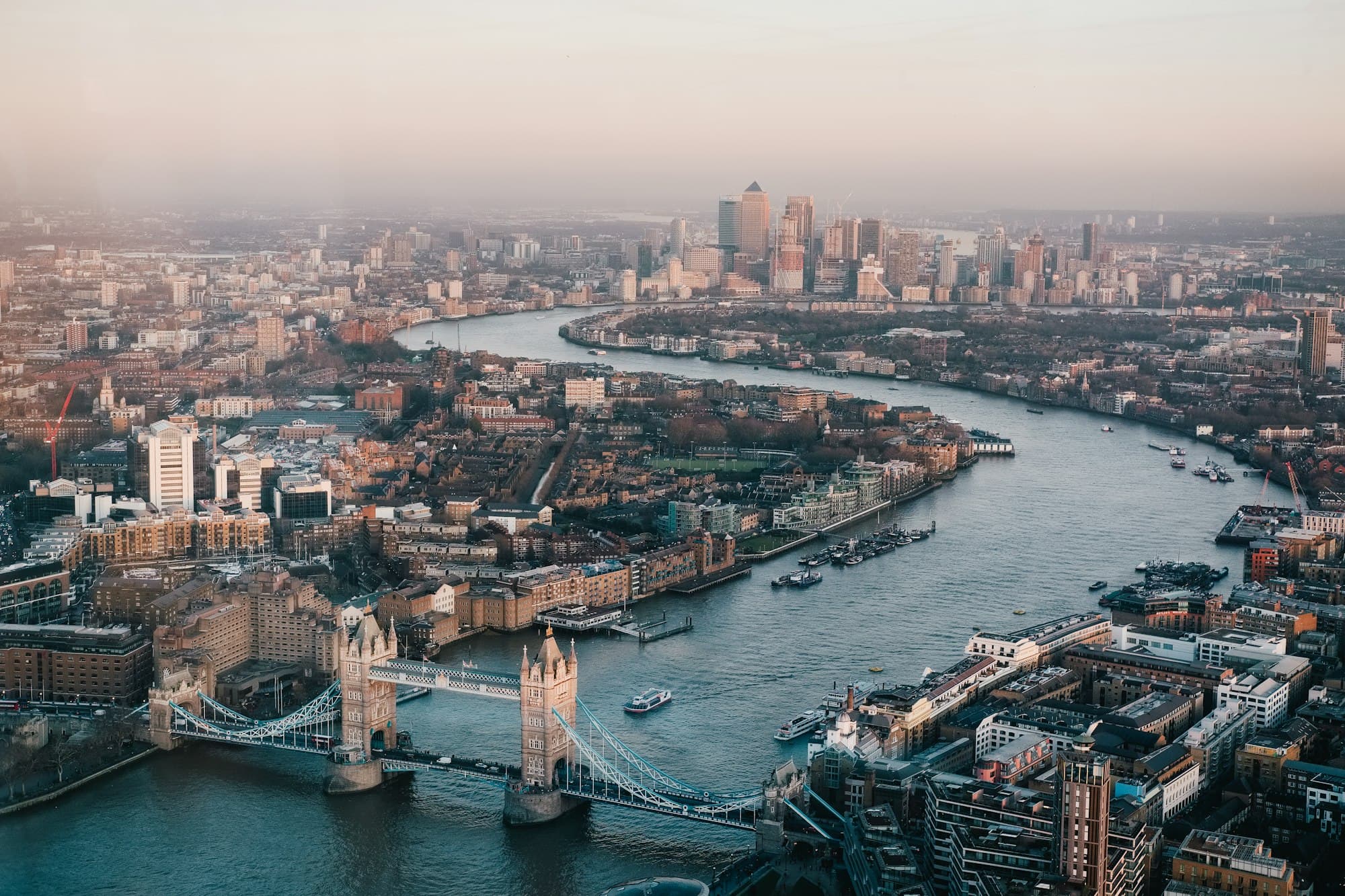
London's hotel scene runs from legendary grand dames and discreet luxury townhouses to characterful boutiques and reliable budget chains — but with the city so large and the Tube so comprehensive, where you stay matters as much as the hotel itself. The right area keeps the sights walkable and the rest of the city a short Tube ride away. This guide organizes London's best hotels the way you actually book: by area first, then by budget and style, with the city's genuinely iconic names called out along the way.
The smart approach is to pick a central (Zone 1) area near a good Tube line, then the right category within it. For the full district breakdown, pair this with our where to stay in London guide and the ranked best areas to stay in London.
A note on prices and specific hotels: London room rates move constantly with season and demand, so this guide names landmark hotels and recommends what to look for rather than quoting prices or scores that quickly go stale. Use the links to check current availability and rates for your dates. For the rest of your planning, see things to do in London and the Heathrow airport guide.
Some links in this guide are affiliate links: if you book through them we may earn a small commission at no extra cost to you. It never affects our recommendations.
Jump to a section9
- 01Quick Answer: Where to Book in London
- 02Best Hotels by Type: At a Glance
- 03Key Takeaways Before You Book
- 04Best Hotels by Area
- 05Best Luxury & Landmark Hotels in London
- 06Best Mid-Range & Boutique Hotels in London
- 07Best Budget Hotels in London
- 08Best Hotels for Families & Couples
- 09How to Choose & When to Book
Quick Answer: Where to Book in London
For most first-time visitors, book in the West End (around Covent Garden and Soho) or Westminster — both keep the headline sights and theatres walkable and sit on excellent Tube lines. For landmark luxury, Mayfair holds the grand hotels; for elegant calm and museums, Kensington; for value and transport, Bloomsbury and King's Cross; and for modern nightlife, Shoreditch. Aim for a central (Zone 1) area near a Tube station.
The single most important rule: stay central and near a Tube station. Because London's network is so comprehensive, a well-connected Zone 1 base keeps the whole city within easy reach, so prioritize location over the specific hotel.
Best Hotels by Type: At a Glance
This table summarizes where each kind of traveler should focus their hotel search in London. The sections below go deeper on each, with links to check current availability.
| You want… | Best Area(s) | Hotel Type | Notable Names |
|---|---|---|---|
| Landmark luxury | Mayfair, West End | Grand 5-star | The Ritz, Claridge's, The Savoy, The Connaught |
| Elegant & museums | Kensington, Knightsbridge | 5-star & townhouse | The Berkeley, grand Kensington hotels |
| First-timer convenience | West End, Westminster | Mid-range & 4-star | Central hotels by the sights |
| Value & transport | Bloomsbury, King's Cross | Mid-range & budget | Hotels near the British Museum |
| Modern & nightlife | Shoreditch, the City | Boutique & design | Hip East London hotels |
| Views & special stay | South Bank | 5-star | Shangri-La The Shard |
Key Takeaways Before You Book
- Choose your area first — a central (Zone 1) base near a Tube station matters more than the specific hotel.
- The West End and Westminster are the best all-round bases for first-timers, with the sights walkable.
- For landmark luxury, Mayfair holds the grand hotels; for value and transport, Bloomsbury and King's Cross.
- London rooms can be small and older hotels may lack a lift or air-conditioning — check both when booking.
- Rates swing sharply by season and events; book ahead for summer, December, and major events.
- Breakfast is often extra at London hotels, so factor it in when comparing rates.
Best Hotels by Area
Because London is so large, start by matching the area to your trip. The West End (Covent Garden, Soho) and Westminster are the best all-round bases for first-timers, walkable to the theatres and landmarks; Mayfair is the luxury heartland; Kensington and Knightsbridge offer elegant calm near the museums; Bloomsbury and King's Cross deliver central value and transport (including the Eurostar); and Shoreditch brings modern, hip nightlife. Our best areas to stay in London guide ranks them all in detail.
Since a central, well-connected base is the priority, the category — landmark luxury, mid-range, boutique, or budget — comes down to your budget and the kind of stay you want, covered in the sections below.
Need a place to stay? Compare hotels in Covent Garden, London on Booking.com →
We may earn a small commission at no extra cost to you.
Best Luxury & Landmark Hotels in London
London is home to some of the world's most storied luxury hotels, concentrated in Mayfair and the West End. The genuinely iconic names include The Ritz London on Piccadilly, Claridge's and The Connaught in Mayfair, The Dorchester on Park Lane, and The Savoy on the Strand — grand institutions famous for their service, history, and afternoon tea. Brown's Hotel (London's oldest), The Langham near Regent Street, and The Berkeley in Knightsbridge round out the landmark luxury scene, while Shangri-La The Shard offers spectacular high-rise views on the South Bank.
What unites London's luxury hotels is a sense of heritage and impeccable service, often in beautifully restored historic buildings, paired with celebrated restaurants and bars. These properties command premium rates that vary by season, so check current pricing for your dates. For special occasions, Mayfair and the West End put landmark luxury within walking distance of the theatres, parks, and shopping.
Need a place to stay? Compare hotels in Mayfair, London on Booking.com →
We may earn a small commission at no extra cost to you.
🏨 Find Hotels in London, United Kingdom
Compare 2M+ properties on Booking.com — free cancellation on most stays. Filter by price, neighborhood, and traveler ratings.
Search Hotels in London, United Kingdom →Affiliate link — we may earn a small commission at no extra cost to you.
🎟️ Top Experiences in London
Skip-the-line tickets and guided tours via GetYourGuide — free cancellation on most. We may earn a small commission at no extra cost to you.
🎫 Save on London Attractions
One pass covers multiple top attractions in London — usually cheaper than buying tickets separately if you plan to see more than two or three.
See London Passes →Affiliate link — we may earn a small commission at no extra cost to you.
Best Mid-Range & Boutique Hotels in London
London excels at the characterful boutique hotel and the reliable mid-range stay, and this is where many visitors land. The West End, Bloomsbury, Kensington, and South Kensington are especially rich in boutique townhouse hotels and well-run mid-range options, each with character, within walking distance or a short Tube ride of the sights. Shoreditch and the City add design-led boutiques with a modern, hip edge, often better value on weekends.
For mid-range and boutique stays, prioritize a central location near a Tube station, and check practical details: London rooms can be small, and some historic hotels lack a lift or air-conditioning, so confirm both. Note that breakfast is frequently charged separately. Booking ahead secures the best-located options, especially in summer and December. This category offers the best blend of character, location, and value in the city.
Need a place to stay? Compare hotels in Bloomsbury, London on Booking.com →
We may earn a small commission at no extra cost to you.
Best Budget Hotels in London
London is expensive, but value exists with the right choices. Bloomsbury and King's Cross offer the best central budget value, with mid-range and budget hotels near the British Museum and excellent transport (including the Eurostar), while staying walkable to the West End. Budget chains and hostels cluster around the major stations (King's Cross, Victoria, Paddington), and Shoreditch and the City can be good value on weekends when the business crowd leaves.
For budget stays, the area around King's Cross and Bloomsbury combines low rates with a genuinely central, well-connected location, while reliable budget chains across Zone 1 offer compact but well-located rooms. Wherever you book at this level, check the room size (London rooms are small) and whether breakfast is included. Staying near a Tube station a little outside the prime areas saves money without a long commute.
Need a place to stay? Compare hotels in Kings Cross, London on Booking.com →
We may earn a small commission at no extra cost to you.
Keep reading
 Where to Stay in LondonA neighborhood-by-neighborhood guide to choosing the right London base — by travel style, budget, and the sights you came forBest Areas to Stay in LondonLondon's best areas ranked and compared — with a scorecard and a clear best pick for first-timers, families, couples, budget,…Things to Do in LondonRoyal palaces, world museums, the Thames, and a food scene that's been reinvented twice over
Best Hotels for Families & Couples
Families do well in Kensington and South Kensington, near the free Natural History, Science, and V&A museums and Hyde Park, with apartment-style hotels and serviced apartments offering more space than standard small London rooms. The South Bank is another family-friendly base, walkable to riverside attractions. Look for family rooms or apartment listings, and a location near a Tube station and a park.
Couples wanting romance are spoiled in London: Mayfair and the West End offer landmark luxury and special-occasion glamour, Kensington and Notting Hill provide elegant, charming townhouse stays, and Shangri-La The Shard delivers a memorable high-rise splurge. For a romantic stay, a Mayfair grand hotel or a chic Kensington boutique is the classic choice. Use the trip cost calculator to budget the whole trip across whichever category you choose.
Need a place to stay? Compare hotels in Kensington, London on Booking.com →
We may earn a small commission at no extra cost to you.
How to Choose & When to Book
A central (Zone 1) base near a Tube station matters most in London. The West End or Westminster for first-timers; Mayfair for luxury; Kensington for museums and families; Bloomsbury/King's Cross for value; Shoreditch for nightlife.
Within your area, match the hotel to your trip: a landmark grand hotel, a characterful boutique townhouse, a reliable mid-range hotel, a budget chain, or an apartment-style stay for families and longer trips.
London rooms can be small, and some historic hotels lack a lift or air-conditioning, so confirm both. Note that breakfast is often charged separately, which affects the real price.
Reserve ahead for summer, December, and major events, when the best-located hotels sell out and rates climb. Use free-cancellation rates to lock in early and adjust later.
Frequently Asked Questions
What is the best area to book a hotel in London?
For most first-time visitors, the West End (around Covent Garden and Soho) and Westminster are the best areas, keeping the theatres and headline landmarks walkable on excellent Tube lines. For landmark luxury, Mayfair; for elegant calm and museums, Kensington; for value and transport, Bloomsbury and King's Cross; and for modern nightlife, Shoreditch. Aim for a central Zone 1 area near a Tube station.
What are the most iconic luxury hotels in London?
London's landmark luxury hotels include The Ritz London, Claridge's, The Connaught, and The Dorchester in Mayfair, The Savoy on the Strand, Brown's Hotel (the city's oldest), The Langham, and The Berkeley in Knightsbridge, plus Shangri-La The Shard for high-rise views. They are renowned for heritage, service, and afternoon tea. Rates vary widely by season, so check current pricing for your dates.
Is it better to choose a hotel by location or by the hotel itself in London?
Location should come first in London. Because the city is large and the Tube is comprehensive, a central (Zone 1) base near a Tube station keeps the whole city within easy reach and saves significant travel time. Prioritize a well-connected central neighborhood, then choose the category — luxury, mid-range, boutique, or budget — that fits your trip.
Are hotel rooms in London small?
Yes, London hotel rooms, especially in historic central buildings, can be small by international standards, and some older hotels lack a lift or air-conditioning. Always check the stated room size and amenities when booking. If you want more space, consider apartment-style hotels or serviced apartments, which are especially useful for families and longer stays.
Which area of London is best for budget hotels?
Bloomsbury and King's Cross offer the best central budget value, with mid-range and budget hotels near the British Museum and superb transport, including the Eurostar, while staying walkable to the West End. Budget chains and hostels also cluster around the major stations. Shoreditch and the City can be good value on weekends when the business crowd leaves.
Where should I stay in London for families?
Kensington and South Kensington are excellent for families, near the free Natural History, Science, and V&A museums and Hyde Park, with apartment-style hotels offering more space. The South Bank is another family-friendly base near riverside attractions. Look for family rooms or serviced apartments, and a location near a Tube station and a park.
Is breakfast included in London hotels?
Often not — many London hotels charge for breakfast separately, which can add significantly to the cost, so check whether it is included when comparing rates. Plenty of cafés and bakeries near most hotels offer a cheaper breakfast, and budget chains sometimes include a simple one. Factoring breakfast into the real price helps compare hotels fairly.
How far in advance should I book a London hotel?
Book ahead for the busy summer months, December, and major events, when the best-located hotels sell out and prices climb — a couple of months is wise for those periods. For quieter times, a few weeks is usually comfortable. Because many London hotels offer free cancellation, reserving early and refining later carries little risk.

About the author
SK Kutubuddin · Founder & Editor
The founder and editor of Travel and Time. An aeronautical engineer with close to two decades in aviation, I build the site’s flight, distance, and trip-planning tools myself and check every figure before it goes live. I write from Kolkata, India.
More about author →