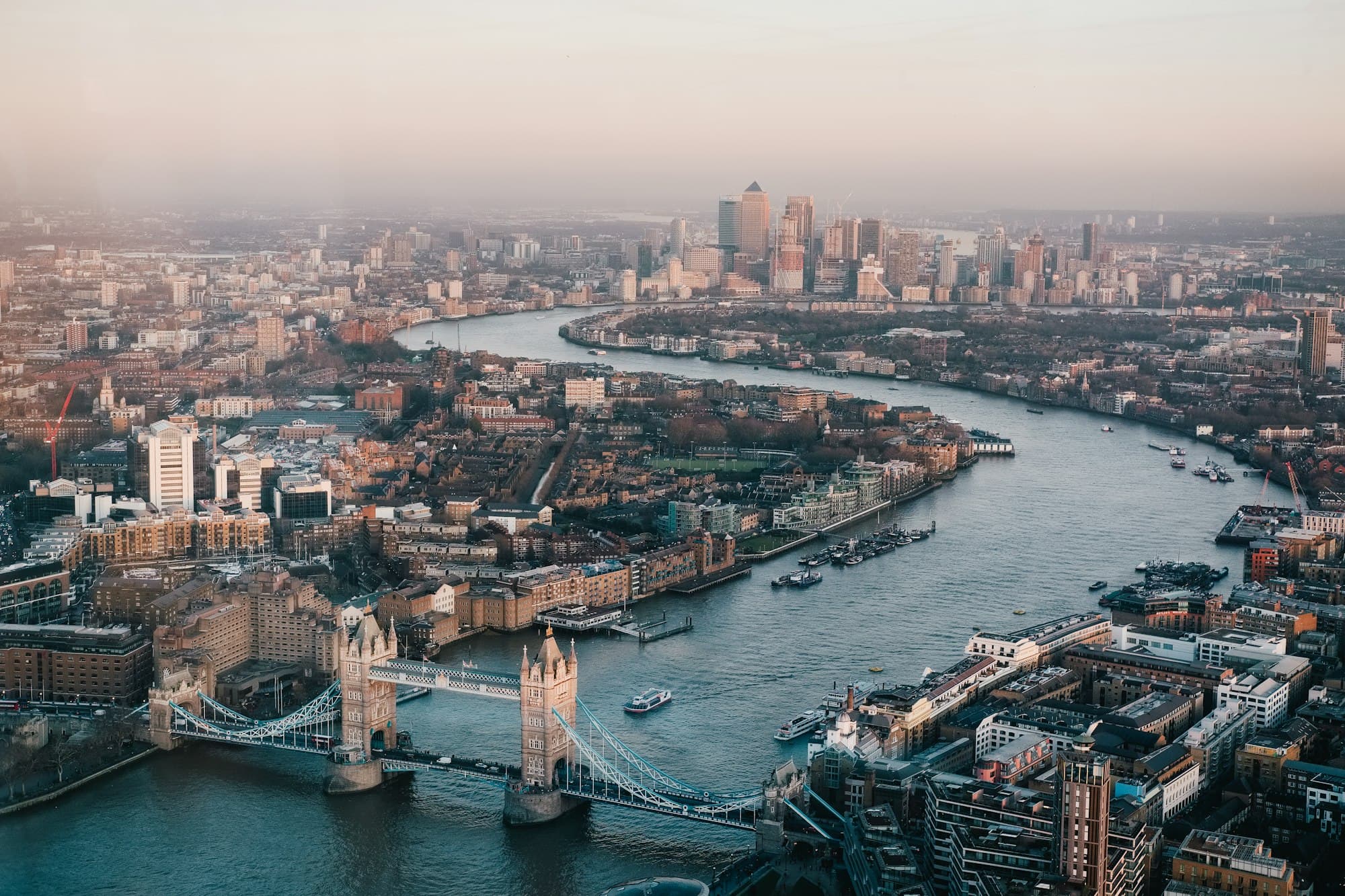
London is vast — one of the largest cities in Europe — so where you stay has an outsized effect on your trip. The right neighborhood puts you within walking distance of the sights or a short Tube ride from everything; the wrong one adds 45 minutes of commuting to every outing. After many stays across the city, this guide breaks down London's best areas, what each is like, and exactly who should stay where.
The reassuring news is that London's Underground is comprehensive and a central base keeps the whole city within easy reach. The real decision is about character and budget: do you want the landmark-packed streets of Westminster, the theatre-and-restaurant buzz of the West End, the cultural riverside of the South Bank, the elegant museum quarter of Kensington, or the value and connectivity of Bloomsbury and King's Cross? We cover them all.
Below you will find a quick-answer summary, a comparison table, then detailed breakdowns of each area — followed by transport advice and the questions travelers ask most. For the rest of your planning, see our things to do in London guide and the Heathrow airport guide, and use the distance calculator to plan day trips to Oxford, Bath, or beyond.
Some links in this guide are affiliate links: if you book through them we may earn a small commission at no extra cost to you. It never affects which areas or hotels we recommend.
Jump to a section12
- 01Quick Answer: Where Should You Stay in London?
- 02London Areas at a Glance
- 03Key Takeaways Before You Book
- 04Westminster & St James's — Landmarks on Your Doorstep
- 05The West End (Soho & Covent Garden) — Theatre, Dining, and Buzz
- 06South Bank — Culture, Views, and Family Appeal
- 07Kensington & Chelsea — Elegant, Leafy, and Museum-Rich
- 08The City, Shoreditch & Bloomsbury — Modern Buzz and Central Value
- 09Camden & Notting Hill — Two Characterful Alternatives
- 10How to Choose Your London Area
- 11Getting Around From Your Base
- 12Recommended Areas by Traveler Type
Quick Answer: Where Should You Stay in London?
For first-time visitors, Westminster or the West End (Soho, Covent Garden) is the best base — both place you within walking distance of the major landmarks, theatres, and restaurants, and on excellent Tube lines. The South Bank suits culture lovers and families wanting riverside views, Kensington is ideal for museums and a refined stay, and Bloomsbury or King's Cross offer the best combination of value and transport links, including the Eurostar.
The key rule in London: stay in Zone 1 (the central fare zone) for a first trip. Almost every major sight is in Zone 1, and being central turns the city itself into your evening entertainment rather than a commute.
London Areas at a Glance
This table summarizes the main areas covered below. Rates reflect a typical well-reviewed mid-range double room in 2026; London offers excellent options above and below these bands.
| Area | Best For | Vibe | Typical Mid-Range Rate | Landmark Nearby |
|---|---|---|---|---|
| Westminster & St James's | First-timers, landmarks | Grand, central, iconic | $180–400 | Big Ben, Buckingham Palace |
| West End (Soho/Covent Garden) | First-timers, theatre, nightlife | Buzzing, central, lively | $190–420 | Theatres, Covent Garden |
| South Bank | Families, culture, views | Cultural, riverside, open | $160–340 | London Eye, Tate Modern |
| Kensington & Chelsea | Couples, families, museums | Elegant, leafy, upscale | $200–450+ | Natural History Museum |
| The City & Shoreditch | Nightlife, modern, value-mid | Historic-meets-hip | $140–300 | St Paul's, Brick Lane |
| Bloomsbury & King's Cross | Budget-mid, transport, families | Literary, central, practical | $130–270 | British Museum, Eurostar |
| Camden & North London | Budget, alternative, music | Eclectic, youthful, lively | $110–220 | Camden Market |
| Notting Hill & West London | Couples, residential charm | Chic, calm, photogenic | $150–320 | Portobello Road |
Key Takeaways Before You Book
- Stay in Zone 1 for a first trip — almost every major sight is there, and being central minimizes commuting.
- Westminster and the West End are the safest first-timer picks: landmarks, theatres, and restaurants all walkable.
- The South Bank and Kensington suit families and culture lovers, with major museums and riverside attractions.
- For the best value with strong transport, Bloomsbury and King's Cross are hard to beat — and King's Cross has the Eurostar to Paris.
- London hotel rooms are small and pricey by international standards; confirm room size and whether there is a lift in older buildings.
- Book 2–3 months ahead for summer and December; most hotels offer free cancellation, so reserve early and refine later.
Westminster & St James's — Landmarks on Your Doorstep
Westminster is the London of postcards — Big Ben, the Houses of Parliament, Westminster Abbey, Buckingham Palace, and Trafalgar Square are all within a short walk, and the Thames runs along its edge. For a first visit focused on the headline sights, no area puts more of them within strolling distance. The neighboring St James's adds royal parks, gentlemen's clubs, and a refined, establishment atmosphere.
As a base, Westminster is superbly connected, with several Tube lines and walking access to Whitehall, the South Bank across the river, and the West End to the north. It is grand and central rather than residential, so evenings are quieter than the West End, and rooms lean toward the upper-mid and luxury bands. Travelers who want to wake up steps from the icons — and do not mind paying for the privilege — consistently rate it the most satisfying first-timer base.
Who it suits: first-time visitors, landmark-focused travelers, and anyone who wants the icons on their doorstep. Who should look elsewhere: budget travelers and those wanting a lively, restaurant-packed neighborhood at night.
Need a place to stay? Compare hotels in Westminster, London on Booking.com →
We may earn a small commission at no extra cost to you.
The West End (Soho & Covent Garden) — Theatre, Dining, and Buzz
The West End is London's entertainment heart, and staying here means stepping straight into the action. Soho and Covent Garden form the core — a dense, walkable grid of theatres, restaurants, bars, and shops that buzzes from morning until late. This is the place to be if you want to catch a show, dine out endlessly, and walk home afterward, with Oxford Street's shopping and Chinatown's restaurants on your doorstep.
Connectivity is excellent — multiple Tube lines converge here, and you can walk to Westminster, the British Museum, and the river. The trade-offs are price and noise: the West End is among London's most expensive and liveliest areas, so light sleepers should choose a hotel on a quieter side street. For first-time visitors who prioritize energy, dining, and theatre over calm, it is the most exciting base in the city, and its central position means everything else is a short hop away.
Who it suits: first-timers wanting buzz, theatre-goers, food lovers, and nightlife seekers. Who should look elsewhere: light sleepers, families with young children, and budget travelers. Plan day trips with the distance calculator before you book.
Need a place to stay? Compare hotels in Covent Garden, London on Booking.com →
We may earn a small commission at no extra cost to you.
South Bank — Culture, Views, and Family Appeal
The South Bank, stretching along the south side of the Thames, has become one of London's most appealing areas to stay — a walkable riverside strip lined with cultural heavyweights: the London Eye, Tate Modern, the Southbank Centre, the National Theatre, Shakespeare's Globe, and Borough Market. The open riverside walk, with views across to Westminster and St Paul's, gives the area a relaxed, spacious feel that families and culture lovers especially appreciate.
It is well connected by Tube and on foot — Waterloo and London Bridge stations anchor each end, and footbridges cross to the West End and the City. Accommodation ranges from riverside hotels with skyline views to good-value options a couple of streets back, often at better rates than directly across the river. For travelers who want museums, theatre, and great walks without the West End's intensity, the South Bank is a superb middle ground.
Who it suits: families, culture lovers, photographers, and travelers wanting riverside calm with central access. Who should look elsewhere: travelers wanting nightlife on their doorstep or the very lowest prices. See our things to do in London guide for the area's attractions.
Need a place to stay? Compare hotels in South Bank, London on Booking.com →
We may earn a small commission at no extra cost to you.
Kensington & Chelsea — Elegant, Leafy, and Museum-Rich
Kensington and Chelsea form London's most elegant central district — leafy garden squares, white-stucco townhouses, and a refined, upscale atmosphere. South Kensington is the museum quarter, home to the Natural History Museum, the Victoria and Albert Museum, and the Science Museum, all free to enter and superb for families. Nearby are Kensington Gardens, Hyde Park, and the boutiques of Chelsea and Knightsbridge, including Harrods.
As a base, the area is calmer and greener than central London, with excellent Tube links into the center (about 10–15 minutes to the West End). It suits couples wanting a sophisticated stay and families drawn to the world-class, free museums and the parks. Accommodation skews upscale, with many of London's grand townhouse hotels here, though South Kensington also has well-run mid-range options popular with families. It is a refined, restful alternative to the busier central areas.
Who it suits: couples, families, museum lovers, and travelers wanting an elegant, green base. Who should look elsewhere: budget travelers and those wanting to be in the thick of the nightlife and theatre. Use the trip cost calculator to budget the whole trip.
Need a place to stay? Compare hotels in Kensington, London on Booking.com →
We may earn a small commission at no extra cost to you.
🏨 Find Hotels in London, United Kingdom
Compare 2M+ properties on Booking.com — free cancellation on most stays. Filter by price, neighborhood, and traveler ratings.
Search Hotels in London, United Kingdom →Affiliate link — we may earn a small commission at no extra cost to you.
🎟️ Top Experiences in London
Skip-the-line tickets and guided tours via GetYourGuide — free cancellation on most. We may earn a small commission at no extra cost to you.
🎫 Save on London Attractions
One pass covers multiple top attractions in London — usually cheaper than buying tickets separately if you plan to see more than two or three.
See London Passes →Affiliate link — we may earn a small commission at no extra cost to you.
The City, Shoreditch & Bloomsbury — Modern Buzz and Central Value
The City of London — the historic financial district — and neighboring Shoreditch offer a different flavor: ancient landmarks like St Paul's Cathedral and the Tower of London alongside London's hippest nightlife, street art, and dining scene around Brick Lane and Spitalfields. The City quietens on weekends when offices empty, which can mean better hotel value, while Shoreditch buzzes day and night. This pairing suits travelers wanting a modern, creative, slightly edgier base with strong rail links.
Bloomsbury, just north of the West End, is the literary, academic heart of the city, home to the British Museum, the University of London, and elegant Georgian squares. It is one of central London's best-value areas while remaining genuinely central — walkable to the West End and a short ride from anywhere. Adjacent King's Cross has been transformed into a stylish district and is the terminus for the Eurostar to Paris and Brussels, making it ideal if London is part of a wider European trip. Both offer strong value with excellent connectivity.
Who they suit: the City/Shoreditch for nightlife, art, and modern energy; Bloomsbury/King's Cross for value, families, and onward European travel by Eurostar. To plan that onward travel, see how to plan a France trip and check times with the flight and distance tools.
Need a place to stay? Compare hotels in Bloomsbury, London on Booking.com →
We may earn a small commission at no extra cost to you.
Camden & Notting Hill — Two Characterful Alternatives
Camden, in North London, is the city's alternative-culture hub — a buzzing, youthful area famous for its sprawling market, live-music heritage, and canal-side walks. It offers better value than the central areas and a genuinely local, eclectic atmosphere, with quick Tube access to the center (about 15 minutes to the West End). It suits budget-conscious travelers, music lovers, and those who want a lively neighborhood with personality rather than polish.
Notting Hill, in West London, is the opposite in mood — a chic, photogenic residential district of pastel townhouses, the famous Portobello Road antiques market, and pretty garden squares. It is calmer and more refined, popular with couples wanting a charming, village-like base away from the tourist crush, with good Tube links into the center. Rooms range from boutique hotels to elegant guesthouses, generally at mid-to-upper rates. Both areas reward travelers who want character over central convenience.
Who they suit: Camden for budget travelers, music fans, and lively local atmosphere; Notting Hill for couples and travelers wanting chic, photogenic calm. For onward UK travel, the distance calculator helps map day trips to Oxford, Bath, and the Cotswolds.
Need a place to stay? Compare hotels in Notting Hill, London on Booking.com →
We may earn a small commission at no extra cost to you.
Keep reading
 Best Areas to Stay in LondonLondon's best areas ranked and compared — with a scorecard and a clear best pick for first-timers, families, couples, budget,…Best Hotels in LondonHow to choose the right London hotel — the best areas, the landmark grand hotels, and the best picks for every budget and travel…Things to Do in LondonRoyal palaces, world museums, the Thames, and a food scene that's been reinvented twice over
How to Choose Your London Area
Almost every major sight is in the central fare zone, so a Zone 1 base minimizes commuting. Westminster, the West End, the South Bank, and Bloomsbury are all central and well connected.
Westminster for landmarks, the West End for theatre and buzz, the South Bank for culture and views, Kensington for elegance and museums, Shoreditch for modern nightlife, Notting Hill for chic calm.
First-timers: Westminster or the West End. Families: South Bank or Kensington. Couples: Kensington or Notting Hill. Budget: Bloomsbury, Camden, or King's Cross.
Heading to Paris by Eurostar? King's Cross/St Pancras is ideal. Reserve 2–3 months ahead for summer and December, using free-cancellation rooms to lock in early.
Getting Around From Your Base
London's Underground (the Tube) is the backbone of getting around, with 11 lines covering every area above and trains every few minutes. A contactless bank card or Oyster card works across the Tube, buses, and trains with automatic daily fare capping, so you never overpay. The city's red buses are slower but scenic, and central London is more walkable than its size suggests — neighboring areas like Westminster and the South Bank are an easy stroll apart across the river.
From the airports, your base affects the easiest route in: the Heathrow Express and Elizabeth line serve the center from Heathrow, while Gatwick, Stansted, and Luton connect by dedicated express trains. For a full breakdown, see our Heathrow airport guide. To plan day trips and onward travel — London to Edinburgh, Paris, Manchester, or Bristol — use the distance calculator and flight duration calculator, and the time zone calculator covers the shift from North America.
Recommended Areas by Traveler Type
- First-time visitors: Westminster for landmarks, or the West End for theatre and central buzz.
- Couples & honeymooners: Kensington for elegance, or Notting Hill for chic, photogenic calm.
- Families: the South Bank for riverside culture, or Kensington for the free world-class museums and parks.
- Luxury travelers: Kensington, Knightsbridge, and Mayfair, home to London's grandest hotels.
- Budget travelers: Bloomsbury, King's Cross, and Camden for the best value with strong transport links.
- Nightlife & creative travelers: Shoreditch and the West End for bars, music, and late-night energy.
- Travelers heading to Europe by rail: King's Cross/St Pancras, the Eurostar terminal for Paris and Brussels.
Frequently Asked Questions
What is the best area to stay in London for first-time visitors?
Westminster and the West End (Soho, Covent Garden) are the two best areas for first-timers. Westminster puts Big Ben, Buckingham Palace, and Westminster Abbey within a short walk, while the West End surrounds you with theatres, restaurants, and shopping. Both are central, on excellent Tube lines, and keep the headline sights walkable.
Which area of London is best for families?
The South Bank and Kensington are the best family areas. The South Bank offers riverside walks, the London Eye, and family-friendly culture, while Kensington is home to three superb free museums — the Natural History, Science, and V&A — plus Hyde Park and Kensington Gardens. Both are calmer than the West End and well connected.
What is the cheapest area to stay in London?
Bloomsbury, King's Cross, and Camden offer the best value while remaining well connected. Bloomsbury and King's Cross are genuinely central, near the British Museum and the Eurostar, while Camden is a lively, alternative North London hub a short Tube ride from the center. Staying just outside the most central streets saves money without a long commute.
Is it better to stay in central London or further out?
For most visitors, central London (Zone 1) is worth the higher room rates because almost every major sight is there and you avoid long commutes — the city itself becomes your evening entertainment. Staying further out saves money but adds Tube time to every outing. For a first trip, prioritize a central Zone 1 base; for longer or repeat trips, a well-connected Zone 2 area can offer better value.
How many days do you need in London?
Three to four full days covers London's headline sights and a couple of neighborhoods at a reasonable pace, while five or more lets you add day trips to Oxford, Bath, Windsor, or the Cotswolds and explore in more depth. London is enormous, so even a week rarely feels like too long for first-time visitors.
Where should I stay in London if I am taking the Eurostar to Paris?
Stay near King's Cross/St Pancras, the Eurostar terminal, which has direct high-speed trains to Paris and Brussels. The surrounding King's Cross and Bloomsbury areas are central, well connected, and good value, making them ideal if London is one stop on a wider European trip. You can roll your luggage straight to the platform.
How far in advance should I book a hotel in London?
For summer (June–August) and December, the most popular times, book central hotels 2–3 months ahead, as well-located rooms sell out and prices rise. For other periods, 4–8 weeks is usually comfortable. Because most London hotels offer free cancellation, reserving early and adjusting later carries little risk.
Do I need a car in London?
No — a car is a real liability in London given the congestion charge, ultra-low-emission zone fees, scarce expensive parking, and one of the world's best public transport systems. Use the Tube, buses, and walking to get around, and rail for day trips. Only consider a rental for travel well beyond the city, collecting it as you leave.
Which area is best for nightlife in London?
Soho in the West End is the classic nightlife heart, with bars, clubs, and theatre, while Shoreditch in East London offers the hippest, most creative scene with rooftop bars, live music, and street art. Camden is the go-to for live music and an alternative crowd. The West End is the most central choice for a night out.
Are London hotel rooms really small?
Yes — London hotel rooms are among the smallest of any major city, especially in historic buildings in central areas, and prices are high relative to room size. When booking, check the stated room area and bed size, and confirm whether there is a lift if the hotel occupies an older townhouse. Modern hotels and those slightly outside the very center often offer more space for the money.

About the author
SK Kutubuddin · Founder & Editor
The founder and editor of Travel and Time. An aeronautical engineer with close to two decades in aviation, I build the site’s flight, distance, and trip-planning tools myself and check every figure before it goes live. I write from Kolkata, India.
More about author →