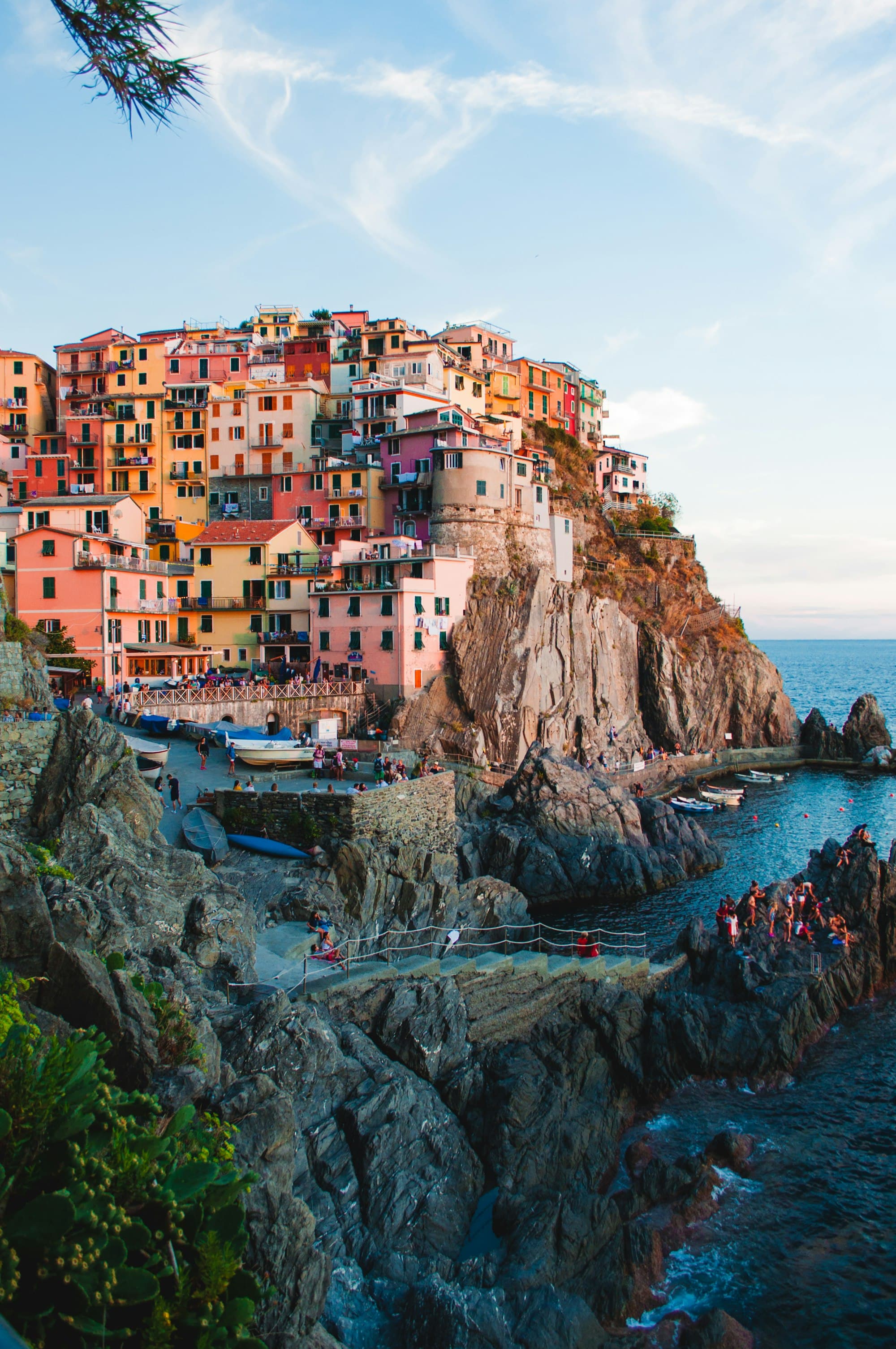
Milan rewards travelers who match the neighborhood to their trip. Italy's capital of fashion, design, and finance is more spread out and more modern than Rome or Florence, so where you stay shapes whether your days revolve around the Duomo and the galleries, the canal-side aperitivo scene, or the sleek new skyline. After many stays in the city, this guide breaks down Milan's best areas, what each is like, and exactly who should stay where.
Milan's historic core around the Duomo is compact and walkable, and an excellent metro network — four lines and counting — makes the rest of the city easy to reach, so being on or near a metro stop matters as much as being central. That makes atmosphere and priorities the deciding factors: the monumental, shop-lined center; the artistic charm of Brera; the nightlife of the Navigli canals; or the modern towers of Porta Nuova.
Below you will find a quick-answer summary, a comparison table, then detailed breakdowns of each area — followed by transport advice and the questions travelers ask most. For the rest of your planning, see our where to stay in Florence and where to stay in Rome guides for pairing an Italy trip, plus best time to visit Italy.
Some links in this guide are affiliate links: if you book through them we may earn a small commission at no extra cost to you. It never affects which neighborhoods or hotels we recommend.
Jump to a section11
- 01Quick Answer: Where Should You Stay in Milan?
- 02Milan Neighborhoods at a Glance
- 03Key Takeaways Before You Book
- 04Duomo & the Historic Center — The Grand First-Timer Base
- 05Brera — Artistic Charm and Elegant Lanes
- 06Navigli — Canal-Side Nightlife and Aperitivo
- 07Porta Nuova & Isola — Modern Milan and Design
- 08Quadrilatero, Centrale, Porta Venezia & Sant'Ambrogio — Four More Options
- 09How to Choose Your Milan Neighborhood
- 10Getting Around From Your Base
- 11Recommended Areas by Traveler Type
Quick Answer: Where Should You Stay in Milan?
For first-time visitors, the Duomo and historic center is the best base — it puts the cathedral, the Galleria, La Scala, and the main shopping streets within a short walk and connects everywhere by metro. Couples and travelers wanting charm love Brera, the artistic quarter just north, while night owls and younger travelers gravitate to the Navigli canal district. Business travelers and design fans do well in the modern Porta Nuova and Isola area, and luxury shoppers around the Quadrilatero della Moda.
The key rule in Milan: stay central or on a direct metro line. The historic core is walkable, but Milan is larger and more dispersed than other Italian cities, so quick metro access to the Duomo turns a sprawling city into an easy one.
Milan Neighborhoods at a Glance
This table summarizes the main areas covered below. Rates reflect a typical well-reviewed mid-range double room in 2026; Milan offers excellent options above and below these bands, and prices spike sharply during the fashion and design fairs.
| Neighborhood | Best For | Vibe | Typical Mid-Range Rate | Landmark Nearby |
|---|---|---|---|---|
| Duomo / Centro Storico | First-timers, sights, shopping | Central, grand, bustling | $140–330 | Duomo, Galleria |
| Brera | Couples, art, charm | Bohemian, elegant, romantic | $150–340 | Pinacoteca di Brera |
| Navigli | Nightlife, dining, younger | Lively, canal-side, social | $110–250 | Naviglio Grande |
| Porta Nuova / Isola | Modern, business, trendy | Contemporary, sleek, vibrant | $130–290 | Bosco Verticale, Gae Aulenti |
| Quadrilatero della Moda | Luxury, shopping, couples | Upscale, polished, glamorous | $250–700+ | Via Montenapoleone |
| Milano Centrale | Transit, convenience, value | Practical, busy, well-connected | $90–200 | Milano Centrale station |
| Porta Venezia | Local, value, nightlife | Residential, multicultural, lively | $100–220 | Public Gardens, Corso Buenos Aires |
| Sant'Ambrogio / Cadorna | Culture, calm, art | Historic, quiet, scholarly | $120–250 | Sforza Castle, The Last Supper |
Key Takeaways Before You Book
- Milan is larger and more dispersed than Rome or Florence, so staying central or on a direct metro line matters more than in other Italian cities.
- The Duomo and historic center is the best first-timer base: the cathedral, the Galleria, and the main sights and shopping are all on foot.
- Brera offers the most charm — cobbled lanes, galleries, and elegant cafes — ideal for couples and art lovers.
- The Navigli canal district is the nightlife and aperitivo heart; great for younger travelers, livelier and noisier at night.
- Porta Nuova and Isola showcase modern Milan — skyscrapers, design, and business hotels — while the Quadrilatero della Moda is the luxury-shopping address.
- Milan is busy year-round and books out completely during Fashion Weeks and the Salone del Mobile design fair; reserve early, and most hotels offer free cancellation.
Duomo & the Historic Center — The Grand First-Timer Base
The area around the Duomo is the monumental heart of Milan — dominated by the extraordinary Gothic cathedral and the glass-roofed Galleria Vittorio Emanuele II, with the La Scala opera house, the main museums, and the city's flagship shopping streets all within a short walk. Staying here means Milan's greatest landmarks are on your doorstep, and the piazza in front of the Duomo, floodlit at night, is an unforgettable place to begin and end the day. For a first visit, no area is more central or more convenient.
This is the most walkable and best-connected base in the city: the Duomo metro station is the hub where the city's main lines meet, putting every district and both main stations within easy reach. The trade-offs are price and bustle — this is the most sought-after, visited, and expensive part of Milan, busy with shoppers and visitors by day. As the commercial core, it can feel a little less residential in the evening than the neighborhood quarters. Choose a hotel on a quieter side street for the best balance of convenience and calm.
Who it suits: first-time visitors, shoppers, opera and culture lovers, and anyone who wants to walk to the landmarks and connect easily across the city. Who should look elsewhere: budget travelers and those wanting a quiet, local, residential feel. For pairing Milan with the rest of Italy, our where to stay in Florence guide covers the obvious next stop south.
Need a place to stay? Compare hotels in Duomo, Milan on Booking.com →
We may earn a small commission at no extra cost to you.
Brera — Artistic Charm and Elegant Lanes
Just north of the Duomo, Brera is Milan's most charming and romantic quarter — a pocket of cobbled lanes, ivy-draped buildings, art galleries, antique shops, and elegant cafes centered on the Pinacoteca di Brera and its fine-arts academy. Often called Milan's bohemian or artistic district, it has a village-like, refined atmosphere that feels a world away from the business city, while remaining a few minutes' walk from the cathedral. For travelers who want character and elegance, Brera is the loveliest place to stay.
It is very central and walkable — the Duomo, the Quadrilatero shopping district, and the Sforza Castle are all close, with its own metro stops nearby — yet it feels calm and exclusive, with a strong cafe and aperitivo scene of its own. The trade-offs are mainly price: Brera is fashionable and sought-after, so rooms run higher, and the most charming streets are popular in the evening. Accommodation skews toward boutique hotels, design stays, and elegant apartments.
Who it suits: couples, art lovers, design-conscious travelers, and anyone wanting charm and elegance near the center. Who should look elsewhere: budget travelers and those wanting lively, late nightlife on the doorstep. To balance a smart base against the rest of the trip, our trip cost calculator helps plan the budget.
Need a place to stay? Compare hotels in Brera, Milan on Booking.com →
We may earn a small commission at no extra cost to you.
Navigli — Canal-Side Nightlife and Aperitivo
Southwest of the center, the Navigli district is Milan's nightlife and dining heart — a pair of historic canals lined with bars, restaurants, and workshops that come alive each evening for the city's famous aperitivo ritual and stay lively long into the night. By day it is an atmospheric, photogenic quarter of waterside walkways, vintage shops, and a popular monthly antiques market; by night it is the liveliest place in Milan. For travelers who want atmosphere, dining, and a social scene, the Navigli is hard to beat.
It is reasonably central — a short metro ride or pleasant walk from the Duomo via the Porta Genova or other stations — though it sits a little outside the historic core. The obvious trade-off is noise: the canal-side streets are genuinely busy and loud on weekend evenings, so light sleepers should choose a hotel a block or two back from the water. Accommodation ranges from hip guesthouses and boutique hotels to apartments, often at better value than the very center.
Who it suits: younger travelers, couples, nightlife and food lovers, and anyone wanting a lively, atmospheric base. Who should look elsewhere: light sleepers, families, and travelers wanting to be steps from the main monuments. Planning to pair Milan with the lakes or other cities? The distance calculator helps map out a northern Italy itinerary.
Need a place to stay? Compare hotels in Navigli, Milan on Booking.com →
We may earn a small commission at no extra cost to you.
🏨 Find Hotels in Milan, Italy
Compare 2M+ properties on Booking.com — free cancellation on most stays. Filter by price, neighborhood, and traveler ratings.
Search Hotels in Milan, Italy →Affiliate link — we may earn a small commission at no extra cost to you.
🎟️ Top Experiences in Milan
Skip-the-line tickets and guided tours via GetYourGuide — free cancellation on most. We may earn a small commission at no extra cost to you.
Porta Nuova & Isola — Modern Milan and Design
North of the center around the Porta Garibaldi station, Porta Nuova is the face of modern Milan — a gleaming district of skyscrapers, including the famous Bosco Verticale vertical forest, wrapped around the buzzing Piazza Gae Aulenti and its fountains, shops, and rooftop bars. Adjoining it, the formerly working-class Isola neighborhood has become one of the city's most fashionable quarters, full of independent boutiques, restaurants, and a young, design-led energy. Together they offer a contemporary, vibrant alternative to the historic core.
The area is well connected — Porta Garibaldi is a major rail and metro hub linking the airports and the rest of the city, and the Duomo is a short metro ride away — and it has a sleek, walkable, recently built feel. The trade-offs are atmosphere and, in parts, price: this is modern, architectural Milan rather than historic Italy, which appeals to some travelers and not others, and the smart new hotels can be priced accordingly. Accommodation skews toward modern business hotels, design properties, and apartments.
Who it suits: business travelers, design and architecture fans, younger travelers, and anyone wanting a modern, well-connected base. Who should look elsewhere: travelers seeking historic, old-world atmosphere on their doorstep. For onward travel, see how to plan an Italy trip and check times with the flight and distance tools.
Need a place to stay? Compare hotels in Porta Nuova, Milan on Booking.com →
We may earn a small commission at no extra cost to you.
Quadrilatero, Centrale, Porta Venezia & Sant'Ambrogio — Four More Options
Between the Duomo and Brera, the Quadrilatero della Moda — the streets around Via Montenapoleone — is Milan's luxury and fashion showcase, lined with the world's great designer houses and several of the city's grandest hotels; it is the most exclusive and expensive place to stay, ideal for luxury travelers and serious shoppers. To the northeast, the area around Milano Centrale, the monumental main railway station, is a practical, well-connected base with a wide range of hotels and good value, suiting travelers arriving by train or prioritizing transport over charm, though the immediate station surroundings are workaday.
East of the center, Porta Venezia is a handsome, increasingly fashionable residential district around the city's public gardens — multicultural, lively, and home to a thriving cafe, restaurant, and nightlife scene, with good metro links and gentler prices that make it a smart value choice. West of the Duomo, the area around Sant'Ambrogio and Cadorna is calmer and steeped in history, close to the Sforza Castle and Leonardo's Last Supper at Santa Maria delle Grazie, with universities nearby and a quieter, cultural atmosphere a short walk or metro ride from the center.
Who they suit: the Quadrilatero for luxury and shopping; Milano Centrale for transport and value; Porta Venezia for local atmosphere and nightlife at gentler prices; Sant'Ambrogio and Cadorna for history and calm. For the wider trip, see where to stay in Rome and check distances with the distance and flight tools.
Need a place to stay? Compare hotels in Milano Centrale, Milan on Booking.com →
We may earn a small commission at no extra cost to you.
Keep reading
 Where to Stay in RomeA neighborhood-by-neighborhood guide to choosing the right Rome base — by travel style, budget, and the sights you came for
 Where to Stay in FlorenceA neighborhood-by-neighborhood guide to choosing the right Florence base — by travel style, budget, and the Renaissance sights…
 Italy Travel GuideArt, food, and history from the Alps to the Amalfi Coast
How to Choose Your Milan Neighborhood
Milan is larger and more dispersed than other Italian cities, but its metro is excellent. Being in the historic core or beside a metro stop on a line to the Duomo turns a sprawling city into an easy one.
The Duomo center for monuments and shopping; Brera for elegant charm; the Navigli for nightlife and aperitivo; Porta Nuova and Isola for modern design; the Quadrilatero for luxury.
Couples and first-timers: the center or Brera. Nightlife and younger travelers: the Navigli. Business and design fans: Porta Nuova. Value and train travelers: around Milano Centrale or Porta Venezia.
Milan is busy year-round and sells out completely during Fashion Weeks (February and September) and the Salone del Mobile design fair (April), when prices spike. Reserve well ahead for those dates; most hotels offer free cancellation.
Getting Around From Your Base
Milan has the best public transport of any Italian city, so getting around from a central base is easy. The historic core around the Duomo is walkable, and an extensive metro network of four lines, plus trams and buses, connects every district and both main stations quickly and cheaply. A rechargeable transit card or contactless payment covers the system, and being near a metro stop is the single most useful thing when choosing where to stay in this larger, more spread-out city.
Milan is served by three airports — Malpensa, Linate, and Bergamo — linked to the center by train and shuttle bus, with the Malpensa Express reaching Milano Cadorna and Centrale in around 30–50 minutes. The city is also northern Italy's rail hub: Milano Centrale connects to Rome, Florence, Venice, and Turin by fast train, and to the Italian Lakes for day trips. To plan onward travel and excursions, use the distance calculator and flight duration calculator, and the time zone calculator covers the shift from North America.
Recommended Areas by Traveler Type
- First-time visitors: the Duomo and historic center for the landmarks on foot, or Brera for charm nearby.
- Couples & honeymooners: Brera for elegant, romantic lanes, or the historic center near the Galleria.
- Families: the quieter central streets or around Milano Centrale for space, value, and easy transport.
- Luxury travelers: the Quadrilatero della Moda around Via Montenapoleone, home to Milan's grandest hotels and designer shopping.
- Budget travelers: Porta Venezia and the area around Milano Centrale for the best value with good metro links.
- Nightlife seekers: the Navigli canals for the city's liveliest bars and aperitivo scene.
- Design & architecture fans: Porta Nuova and Isola for modern Milan, skyscrapers, and a young, creative energy.
Frequently Asked Questions
What is the best area to stay in Milan for first-time visitors?
The Duomo and historic center is the best base for first-timers — it places the cathedral, the Galleria Vittorio Emanuele, La Scala, and the main shopping streets within a short walk and sits at the hub of the metro network. Brera, the charming artistic quarter just north, is an excellent alternative. Both keep the headline sights on foot and connect easily across the city.
Is Brera a good area to stay in Milan?
Yes — Brera is Milan's most charming and romantic quarter, a favorite for couples and art lovers, with cobbled lanes, galleries, antique shops, and elegant cafes around the Pinacoteca di Brera. It is a few minutes' walk from the Duomo yet feels calm and exclusive, with its own aperitivo scene. Rooms run higher than average, reflecting its fashionable, sought-after setting.
What is the cheapest area to stay in Milan?
The area around Milano Centrale station offers some of the city's best value along with excellent transport links, while Porta Venezia to the east combines gentler prices with a lively, local, well-connected setting. Both have less old-world charm than the center but are convenient and central. Milan also has plenty of budget hotels and hostels near the ring of main stations.
Which area of Milan is best for families?
The quieter central streets and the area around Milano Centrale are the best family bases. The center keeps the sights walkable, while the station district offers larger rooms, gentler prices, and superb transport for day trips to the Italian Lakes. Milan's excellent metro makes getting around with children easy, so prioritize a calm street near a metro stop with the space your family needs.
How many days do you need in Milan?
Two full days is enough to see Milan's highlights — the Duomo and its rooftop, the Galleria, La Scala, the Sforza Castle, and Leonardo's Last Supper (book well ahead) — at a reasonable pace, while three days lets you add the Navigli, shopping, and a relaxed aperitivo culture. Many visitors also use Milan as a base for day trips to Lake Como or other northern cities.
Is the Navigli a good area to stay in Milan?
Yes, if you want nightlife and atmosphere — the Navigli canal district is Milan's liveliest area for bars, restaurants, and the famous aperitivo, photogenic by day and busy late into the night. It is a short metro ride from the Duomo and often better value than the center. Light sleepers should book a hotel a block or two back from the canals, which are genuinely loud on weekend evenings.
How far in advance should I book a hotel in Milan?
Milan is busy year-round, so book central hotels 1–2 months ahead in normal periods. Crucially, the city sells out completely and prices spike during the twice-yearly Fashion Weeks (February and September) and the Salone del Mobile design fair (April), so reserve months ahead if your trip overlaps those dates. Most Milan hotels offer free cancellation, so booking early carries little risk.
Do I need a car in Milan?
No — a car is unnecessary and inconvenient in Milan, with restricted-traffic and low-emission zones in the center, expensive parking, and the best public transport in Italy. The city is best explored on foot and by its extensive metro, tram, and bus network. Only rent a car for trips beyond the city, such as the Italian Lakes, and collect it as you leave rather than parking it centrally.
Which Milan neighborhood is best for shopping?
The Quadrilatero della Moda — the streets around Via Montenapoleone between the Duomo and Brera — is Milan's luxury fashion district, home to the world's great designer houses. For more accessible shopping, the streets around the Duomo and Corso Vittorio Emanuele are full of high-street and mid-range stores, while Corso Buenos Aires near Porta Venezia is one of Europe's longest shopping streets, with gentler prices.
Is it worth staying near Milano Centrale station?
It can be a smart, practical choice — the area around the monumental Milano Centrale station offers a wide range of hotels, good value, and superb transport, with direct trains to the airports, other Italian cities, and day-trip destinations. The immediate surroundings of the station are workaday rather than charming, so choose a hotel a few streets toward Porta Nuova or the center for a more pleasant setting while keeping the transport convenience.

About the author
SK Kutubuddin · Founder & Editor
The founder and editor of Travel and Time. An aeronautical engineer with close to two decades in aviation, I build the site’s flight, distance, and trip-planning tools myself and check every figure before it goes live. I write from Kolkata, India.
More about author →