
Vienna rewards travelers who choose between imperial grandeur and neighborhood character. Austria's elegant capital arranges itself in numbered districts spiraling out from the historic core, and where you stay decides whether you wake among Habsburg palaces and the opera or in a hip, cafe-lined quarter a tram ride away. After many stays in the city, this guide breaks down Vienna's best areas, what each is like, and exactly who should stay where.
Vienna's grand historic center, the Innere Stadt, is compact and walkable, ringed by the boulevard of the Ringstrasse, and one of Europe's best public-transport systems — U-Bahn, trams, and buses — makes the rest of the city effortless, so being near a U-Bahn stop matters as much as being central. That makes atmosphere and budget the deciding factors: the palatial first district, the trendy shopping streets of Mariahilf and Neubau, the up-and-coming Leopoldstadt, or the foodie quarter around the Naschmarkt.
Below you will find a quick-answer summary, a comparison table, then detailed breakdowns of each area — followed by transport advice and the questions travelers ask most. For the rest of your planning, see our where to stay in Rome and where to stay in Barcelona guides for pairing a European trip, plus Europe visa requirements.
Some links in this guide are affiliate links: if you book through them we may earn a small commission at no extra cost to you. It never affects which neighborhoods or hotels we recommend.
Jump to a section11
- 01Quick Answer: Where Should You Stay in Vienna?
- 02Vienna Neighborhoods at a Glance
- 03Key Takeaways Before You Book
- 04Innere Stadt (District 1) — Imperial Grandeur in the Heart
- 05Mariahilf & Neubau (Districts 6 & 7) — Trendy Shopping and Cafe Culture
- 06Leopoldstadt (District 2) — Up-and-Coming and Great Value
- 07Wieden (District 4) — The Foodie Quarter Around the Naschmarkt
- 08Landstrasse, Josefstadt, Schonbrunn & the Hauptbahnhof — Four More Options
- 09How to Choose Your Vienna Neighborhood
- 10Getting Around From Your Base
- 11Recommended Areas by Traveler Type
Quick Answer: Where Should You Stay in Vienna?
For first-time visitors, the Innere Stadt — Vienna's grand first district — is the best base, putting St. Stephen's Cathedral, the Hofburg palace, the opera, and the main sights within an easy walk, though at the city's highest prices. Travelers wanting trendy shopping and a younger scene prefer Mariahilf and Neubau, while those after value and an up-and-coming feel choose Leopoldstadt across the canal. Foodies love the quarter around the Naschmarkt in Wieden.
The key rule in Vienna: stay central or near a U-Bahn stop. The historic core is walkable, and the public-transport system is fast, cheap, and extensive, so a base inside or just outside the Ringstrasse — close to a metro line — keeps the sights on foot and the whole city within easy reach.
Vienna Neighborhoods at a Glance
This table summarizes the main areas covered below. Rates reflect a typical well-reviewed mid-range double room in 2026; Vienna offers excellent options above and below these bands, with the first district commanding the highest prices.
| Neighborhood | Best For | Vibe | Typical Mid-Range Rate | Landmark Nearby |
|---|---|---|---|---|
| Innere Stadt (District 1) | First-timers, luxury, sights | Grand, central, elegant | $180–450 | St. Stephen's, Hofburg |
| Leopoldstadt (District 2) | Value, trendy, families | Up-and-coming, leafy, relaxed | $100–230 | Prater, Danube Canal |
| Mariahilf & Neubau (6 & 7) | Shopping, trendy, younger | Hip, lively, creative | $110–250 | Mariahilferstrasse, MuseumsQuartier |
| Wieden (District 4) | Foodies, hip, central | Bohemian, local, fashionable | $110–240 | Naschmarkt, Karlsplatz |
| Landstrasse (District 3) | Convenience, art, transit | Residential, central, practical | $100–230 | Belvedere, Hauptbahnhof |
| Josefstadt & Alsergrund (8 & 9) | Local, calm, elegant | Refined, residential, quiet | $110–240 | Rathaus, theaters |
| Schonbrunn & Hietzing (13) | Families, palace, quiet | Leafy, suburban, calm | $100–220 | Schonbrunn Palace |
| Around Hauptbahnhof (10) | Budget, transit, modern | Practical, modern, connected | $80–180 | Wien Hauptbahnhof |
Key Takeaways Before You Book
- Vienna's historic core is compact and walkable, and its public transport is superb, so staying central or near a U-Bahn stop matters most.
- The Innere Stadt (first district) is the best first-timer base: the palaces, cathedral, and opera are all on foot — but it is the priciest area.
- Mariahilf and Neubau are the trendy shopping-and-cafe quarters, great for younger travelers and better value than the center.
- Leopoldstadt, across the Danube Canal by the Prater park, is up-and-coming, leafy, and good value within easy reach of the center.
- Wieden around the Naschmarkt is the foodie and bohemian choice, while Schonbrunn and Hietzing suit families wanting calm near the palace.
- Vienna is busy spring through autumn and over the Christmas-market season; book central hotels 1–2 months ahead, and most offer free cancellation.
Innere Stadt (District 1) — Imperial Grandeur in the Heart
Vienna's first district, the Innere Stadt, is the imperial heart of the city — a compact, walkable old town of Habsburg palaces, baroque churches, and grand boulevards, crowned by the soaring Gothic St. Stephen's Cathedral and home to the Hofburg imperial palace, the State Opera, and the elegant shopping of the Graben and Kohlmarkt. Staying here means Vienna's greatest landmarks, coffee houses, and concert halls are all on your doorstep, within the ring of the grand Ringstrasse boulevard. For a first visit, no area is more central or more atmospheric.
This is the most walkable and best-connected base in the city: everything of note is on foot, and several U-Bahn lines meet at Stephansplatz and Karlsplatz, putting the whole city and the airport within easy reach. The trade-off is price — this is by far the most expensive district to stay in, home to Vienna's grandest five-star hotels and palace addresses, and the busiest area by day. Accommodation skews toward luxury and upscale hotels, with a few boutique options on quieter lanes.
Who it suits: first-time visitors, luxury travelers, couples, and culture and opera lovers who want to walk to everything. Who should look elsewhere: budget travelers and those wanting a local, residential, neighborhood feel. For pairing Vienna with another European capital, our where to stay in Rome guide covers a classic companion city.
Need a place to stay? Compare hotels in Innere Stadt, Vienna on Booking.com →
We may earn a small commission at no extra cost to you.
Mariahilf & Neubau (Districts 6 & 7) — Trendy Shopping and Cafe Culture
Just southwest of the center, the sixth and seventh districts — Mariahilf and Neubau — are Vienna's trendiest, most creative quarters, strung along the Mariahilferstrasse, the city's great shopping street, and centered on the cultural hub of the MuseumsQuartier. Neubau in particular, with its boutiques, design shops, third-wave coffee, and the buzzy Spittelberg lanes, has a hip, youthful, village-like energy, while remaining a short walk or one U-Bahn stop from the Innere Stadt. For travelers who want style, shopping, and great cafes, it is the most appealing base.
The area is very central and superbly connected — the MuseumsQuartier and several U-Bahn stations sit on its edge, and the historic center is a few minutes away on foot or rail — yet it feels more local, creative, and relaxed than the grand first district, with some of the city's best independent dining and nightlife. The trade-offs are modest: the Mariahilferstrasse itself is busy, and the most fashionable streets are popular in the evening. Accommodation ranges from stylish boutique and design hotels to apartments, often at better value than the center.
Who it suits: younger travelers, shoppers, design and cafe lovers, and anyone wanting a trendy, central base. Who should look elsewhere: those set on staying among the imperial monuments or wanting the quietest streets. Planning to pair Vienna with nearby cities? The distance calculator helps map out a wider Central European trip.
Need a place to stay? Compare hotels in Neubau, Vienna on Booking.com →
We may earn a small commission at no extra cost to you.
Leopoldstadt (District 2) — Up-and-Coming and Great Value
Across the Danube Canal from the Innere Stadt, the second district of Leopoldstadt is one of Vienna's most up-and-coming areas — a leafy, diverse, increasingly fashionable quarter wrapped around the vast Prater park with its famous Ferris wheel, and home to the Augarten, a growing cafe and restaurant scene, and the city's revived Jewish quarter around the Karmelitermarkt. It offers a relaxed, local, green feel and noticeably better value than the center, just a short walk or U-Bahn ride across the water.
It is well connected and close to the action — the canal and several U-Bahn stations link it directly to the first district, often just minutes away — while feeling calmer and more residential, with the Prater's green space on the doorstep. The trade-offs are that it is across the canal from the main sights, and parts are still gentrifying, so the character varies street to street. Accommodation skews toward modern hotels, including some design and riverside properties, and apartments at good value.
Who it suits: value-conscious travelers, families, and anyone wanting a leafy, local base near the center. Who should look elsewhere: first-timers set on being amid the imperial sights, and those wanting an old-world atmosphere. To weigh value against the rest of the trip, our trip cost calculator helps plan the budget.
Need a place to stay? Compare hotels in Leopoldstadt, Vienna on Booking.com →
We may earn a small commission at no extra cost to you.
🏨 Find Hotels in Vienna, Austria
Compare 2M+ properties on Booking.com — free cancellation on most stays. Filter by price, neighborhood, and traveler ratings.
Search Hotels in Vienna, Austria →Affiliate link — we may earn a small commission at no extra cost to you.
🎟️ Top Experiences in Vienna
Skip-the-line tickets and guided tours via GetYourGuide — free cancellation on most. We may earn a small commission at no extra cost to you.
Wieden (District 4) — The Foodie Quarter Around the Naschmarkt
Immediately south of the Innere Stadt, the fourth district of Wieden is Vienna's fashionable foodie quarter — an elegant yet relaxed area built around the Naschmarkt, the city's largest and most famous market, with its food stalls, restaurants, and weekend flea market, plus the landmark Karlskirche and a lively cafe and bar scene. Increasingly trendy and full of character, it offers a central, local base with some of the best eating in the city, a short walk or U-Bahn stop from the main sights.
It is very central and well connected — Karlsplatz, a major U-Bahn interchange, sits on its edge, and the Innere Stadt is a few minutes away on foot — while feeling more residential and local than the grand center. The trade-offs are modest: the area immediately around the Naschmarkt is lively and busy, especially on market days, which suits some travelers more than others. Accommodation ranges from boutique and design hotels to apartments, generally at better value than the first district.
Who it suits: food lovers, couples, repeat visitors, and anyone wanting a central, fashionable, local base. Who should look elsewhere: first-timers set on the imperial core and light sleepers wanting the quietest streets. For onward travel, see best eSIM for Europe and check times with the flight and distance tools.
Need a place to stay? Compare hotels in Wieden, Vienna on Booking.com →
We may earn a small commission at no extra cost to you.
Landstrasse, Josefstadt, Schonbrunn & the Hauptbahnhof — Four More Options
Southeast of the center, the third district of Landstrasse is a handsome, central residential area home to the magnificent Belvedere palace and its gardens, well connected and within walking distance of the center, with the main railway station nearby, suiting culture lovers and travelers wanting a calm but central base. To the west, the eighth and ninth districts of Josefstadt and Alsergrund are among Vienna's most elegant and local quarters — refined, leafy, residential areas of theaters, the grand Rathaus, the university, and classic coffee houses, offering a quiet, sophisticated base a tram ride from the center.
Further out to the southwest, the thirteenth district around Schonbrunn and Hietzing is a leafy, upscale, suburban area built around the magnificent Schonbrunn Palace and its gardens — calm, green, and family-friendly, though farther from the center, suiting travelers wanting space and quiet with the palace on the doorstep. For the best value and transport, the area around the modern Wien Hauptbahnhof, in the tenth district of Favoriten, is a practical, well-connected base with newer hotels at gentle prices, ideal for budget travelers and those arriving by train or planning onward journeys.
Who they suit: Landstrasse for the Belvedere and central calm; Josefstadt and Alsergrund for elegant, local quiet; Schonbrunn and Hietzing for families and palace-side green space; the Hauptbahnhof area for value and transport. For the wider trip, see where to stay in Barcelona and check distances with the distance and flight tools.
Need a place to stay? Compare hotels in Landstrasse, Vienna on Booking.com →
We may earn a small commission at no extra cost to you.
Keep reading
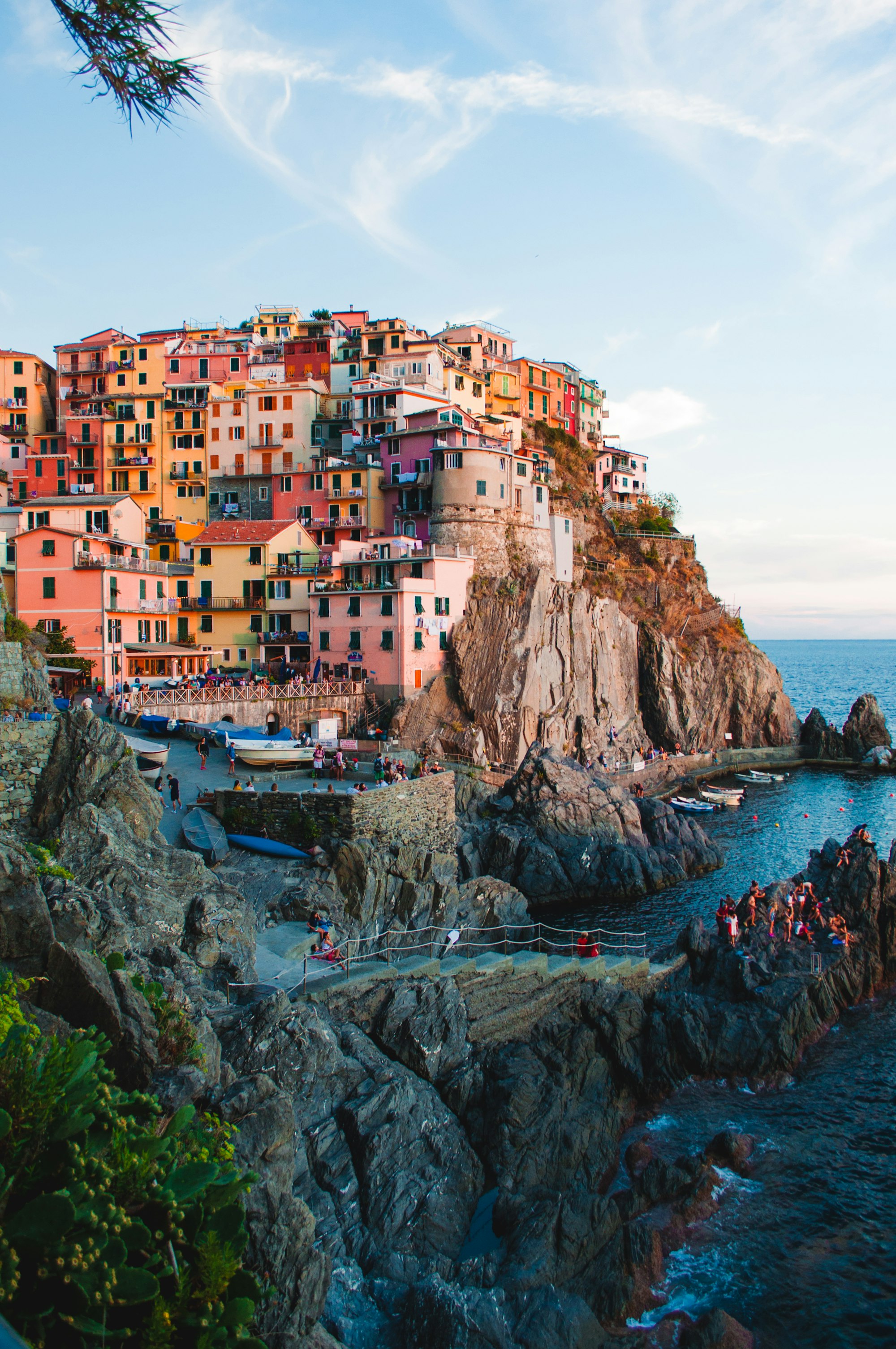 Where to Stay in RomeA neighborhood-by-neighborhood guide to choosing the right Rome base — by travel style, budget, and the sights you came for
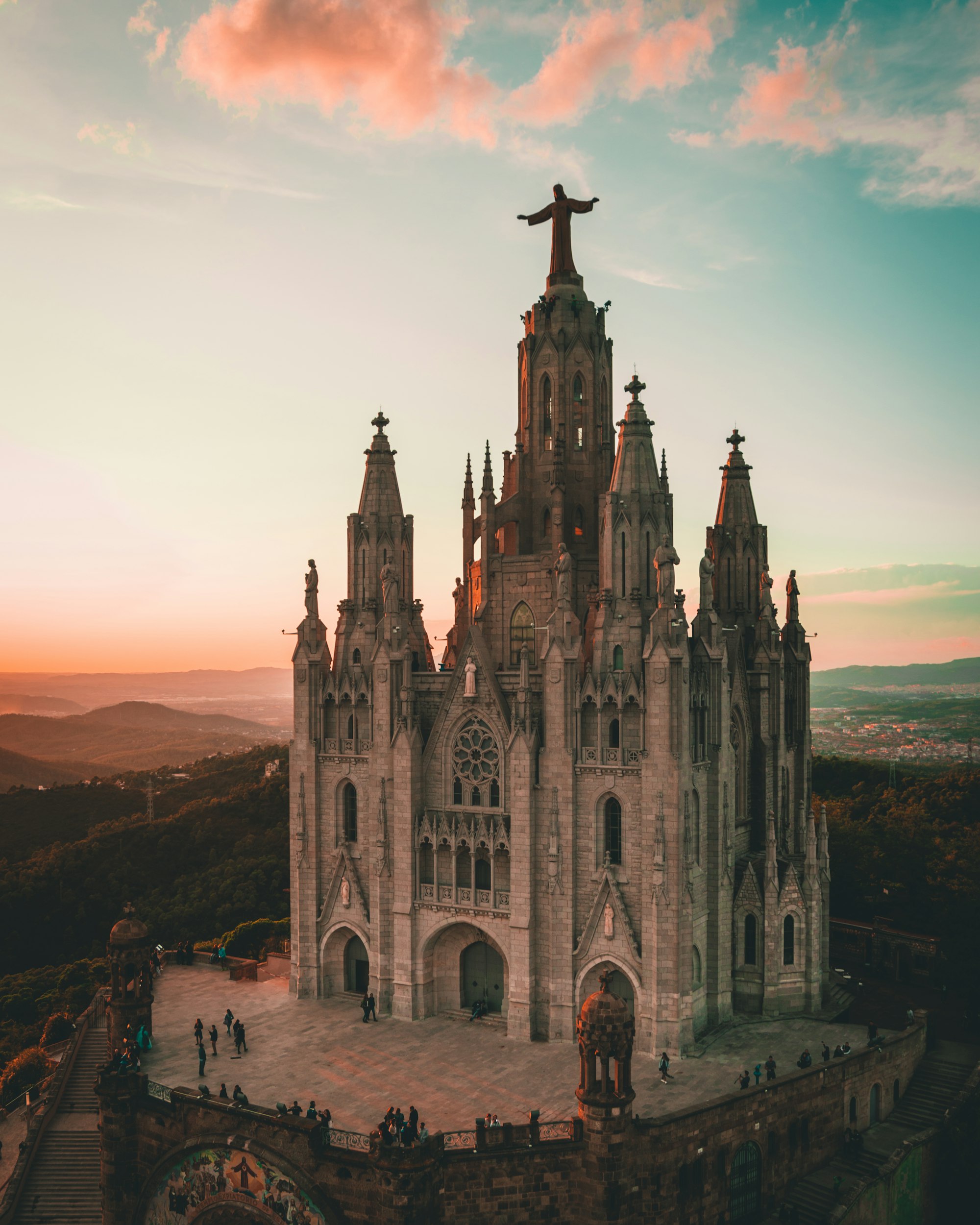 Where to Stay in BarcelonaA neighborhood-by-neighborhood guide to choosing the right Barcelona base — by travel style, budget, and the kind of trip you want
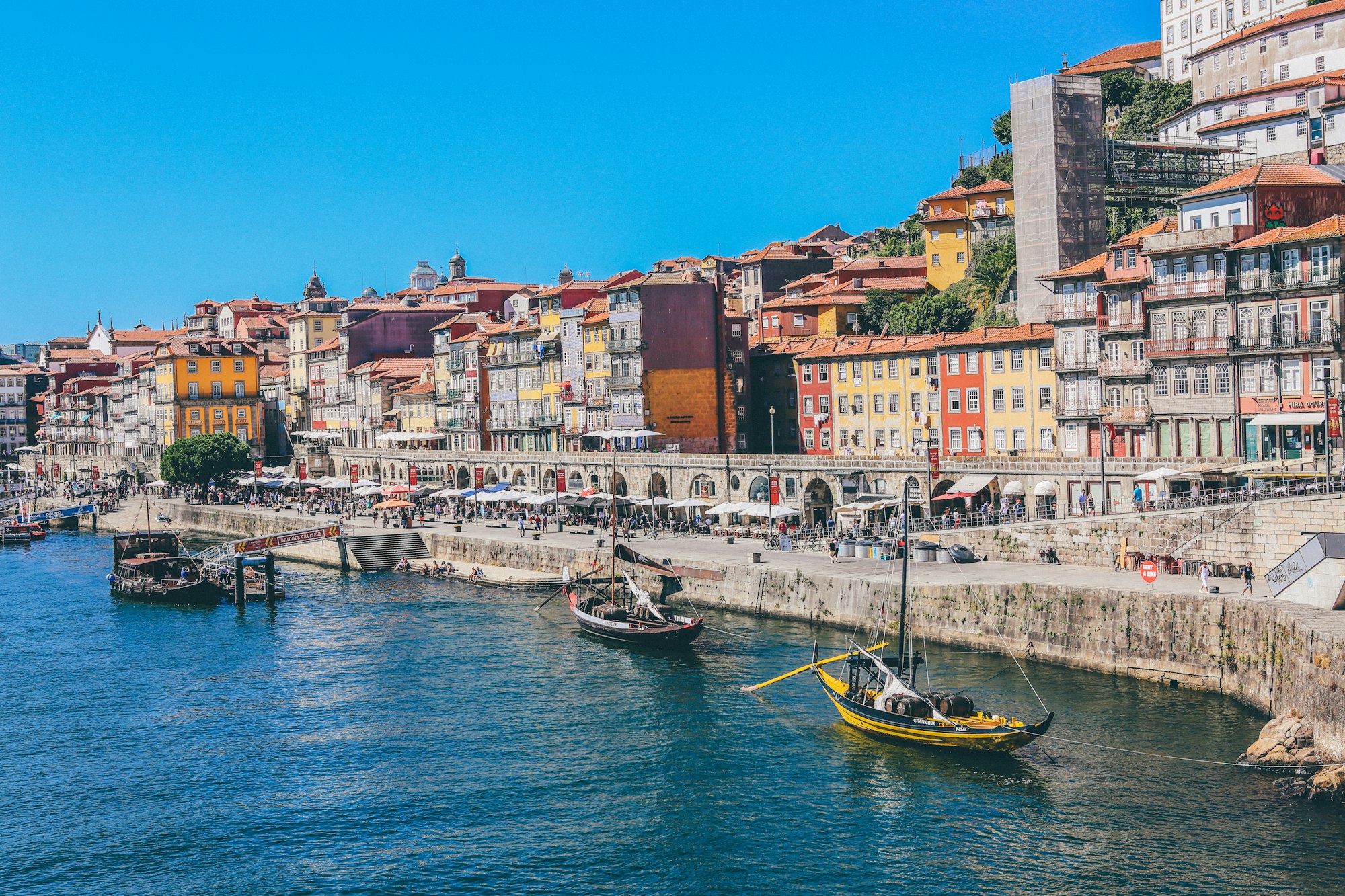 Where to Stay in LisbonA neighborhood-by-neighborhood guide to choosing the right Lisbon base — by travel style, budget, and the hills, viewpoints, and…
How to Choose Your Vienna Neighborhood
Vienna's historic core is walkable and its public transport is superb. Basing yourself inside or just outside the Ringstrasse, close to a U-Bahn line, keeps the sights on foot and the whole city, including the airport, within easy reach.
The Innere Stadt for imperial grandeur at top prices, Mariahilf and Neubau for trendy shopping, Leopoldstadt for value and green space, Wieden for food, Schonbrunn for palace-side calm.
First-timers and luxury: the Innere Stadt. Younger travelers and shoppers: Neubau and Mariahilf. Value and families: Leopoldstadt or near the Hauptbahnhof. Foodies: Wieden. Quiet and local: Josefstadt or Hietzing.
Reserve 1–2 months ahead for spring through autumn, and earlier for the Advent and Christmas-market season (late November to December) and New Year, when Vienna is at its busiest. Most hotels offer free cancellation.
Getting Around From Your Base
Vienna has one of the best public-transport networks in Europe, so getting around from any central base is effortless. The historic center is walkable, and an extensive system of U-Bahn lines, trams, and buses runs frequently and late, with the iconic Ringstrasse trams circling the old town. A rechargeable or daily transit pass covers the whole network, and being near a U-Bahn stop is genuinely useful, though many travelers find they can walk between the central sights.
From the airport, the City Airport Train and the S-Bahn reach the center in 16–25 minutes, and taxis or ride-hailing are straightforward. The modern Wien Hauptbahnhof connects Vienna to Salzburg, Prague, Budapest, and beyond by fast train, making the city a superb hub for Central Europe. To plan onward travel and day trips, use the distance calculator and flight duration calculator, and the time zone calculator covers the shift from North America.
Recommended Areas by Traveler Type
- First-time visitors: the Innere Stadt for the imperial sights on foot, or Neubau and Mariahilf for a trendy base nearby.
- Couples & honeymooners: the Innere Stadt for grandeur, or Wieden and Neubau for fashionable, local charm.
- Families: Leopoldstadt by the Prater or Schonbrunn and Hietzing near the palace for space, green, and calm.
- Luxury travelers: the Innere Stadt, home to Vienna's grandest palace hotels and finest addresses.
- Budget travelers: around the Wien Hauptbahnhof and parts of Leopoldstadt for the best value with great transport.
- Food lovers: Wieden around the Naschmarkt and the cafe-rich streets of Neubau.
- Culture & music lovers: the Innere Stadt for the opera and concert halls, or Landstrasse near the Belvedere.
Frequently Asked Questions
What is the best area to stay in Vienna for first-time visitors?
The Innere Stadt, Vienna's grand first district, is the best base for first-timers — it places St. Stephen's Cathedral, the Hofburg, the opera, and the main sights within an easy walk, all inside the Ringstrasse. It is the priciest area, so trendy Neubau and Mariahilf just outside the ring are an excellent, better-value alternative. All keep the headline sights close, on foot or one U-Bahn stop away.
Is the Innere Stadt worth the higher price in Vienna?
For a first visit focused on the imperial sights, often yes — staying in the first district puts the palaces, cathedral, opera, and coffee houses on your doorstep, with everything walkable, which many travelers value highly. But Vienna's public transport is so good and the city so compact that staying in trendy Neubau, Mariahilf, or Leopoldstadt saves money while keeping you minutes from the center, so the premium is a matter of budget and preference rather than necessity.
What is the cheapest area to stay in Vienna?
The area around the modern Wien Hauptbahnhof, in the tenth district of Favoriten, offers some of Vienna's best value along with excellent transport, while parts of Leopoldstadt across the canal combine gentle prices with a leafy, up-and-coming feel. Both are well connected to the center by U-Bahn. Vienna also has plenty of well-priced hotels and hostels in the outer districts, all linked by the superb transit network.
Which area of Vienna is best for families?
Leopoldstadt, beside the Prater park and its Ferris wheel, and the leafy thirteenth district around Schonbrunn Palace are the best family bases, offering green space, calm, and larger, better-value rooms a short ride from the center. Both avoid the high prices of the first district while keeping major attractions close. Vienna's excellent, stroller-friendly transport makes getting around with children easy from anywhere near a U-Bahn stop.
How many days do you need in Vienna?
Three full days is enough to see Vienna's highlights — the Innere Stadt and St. Stephen's, the Hofburg and the imperial museums, Schonbrunn Palace, and the Belvedere — at a reasonable pace, while four or five days lets you add the coffee-house culture, the markets, a concert, and a day trip to the Wachau Valley or Bratislava. Most first-time visitors find three to four days ideal.
Are Neubau and Mariahilf good areas to stay in Vienna?
Yes — the sixth and seventh districts are among Vienna's most popular bases, especially for younger travelers, strung along the Mariahilferstrasse shopping street and around the MuseumsQuartier, with boutiques, excellent cafes, and a hip, creative atmosphere. They are a short walk or one U-Bahn stop from the Innere Stadt yet feel more local and offer better value, making them a smart choice for style, shopping, and dining.
How far in advance should I book a hotel in Vienna?
For spring through autumn, book central hotels 1–2 months ahead, as well-located rooms sell out early. Crucially, the Advent and Christmas-market season (late November to December) and New Year are extremely busy, so reserve several months ahead for those dates. Most Vienna hotels offer free cancellation, so booking early and adjusting later carries little risk, which is worth doing for the best-placed central rooms.
Do I need a car in Vienna?
No — a car is unnecessary and inconvenient in Vienna, with paid short-stay parking zones across the inner districts, and one of the best public-transport systems in Europe. The compact center is walkable and the U-Bahn, trams, and buses reach everywhere. Only rent a car for trips beyond the city, such as the Wachau Valley, and collect it as you leave rather than parking it centrally.
Which Vienna neighborhood is best for nightlife and dining?
Neubau and the adjoining Spittelberg lanes offer Vienna's trendiest bar and restaurant scene, while Wieden around the Naschmarkt is the foodie heart, packed with markets, restaurants, and bars. The area along the Danube Canal in Leopoldstadt has a lively summer bar scene, and the Bermuda Triangle in the Innere Stadt is a classic central nightlife spot. For dining and a fashionable night out, Neubau and Wieden lead.
Is it a good idea to stay near Schonbrunn Palace?
It can be, for the right traveler — the thirteenth district around Schonbrunn and Hietzing is leafy, calm, upscale, and family-friendly, with the magnificent palace and its gardens on the doorstep and a direct U-Bahn line to the center in about 15 minutes. The trade-off is that it is farther from the main sights and nightlife than a central base, so it best suits families and travelers who value green space, quiet, and the palace over being in the thick of the city.

About the author
SK Kutubuddin · Founder & Editor
The founder and editor of Travel and Time. An aeronautical engineer with close to two decades in aviation, I build the site’s flight, distance, and trip-planning tools myself and check every figure before it goes live. I write from Kolkata, India.
More about author →