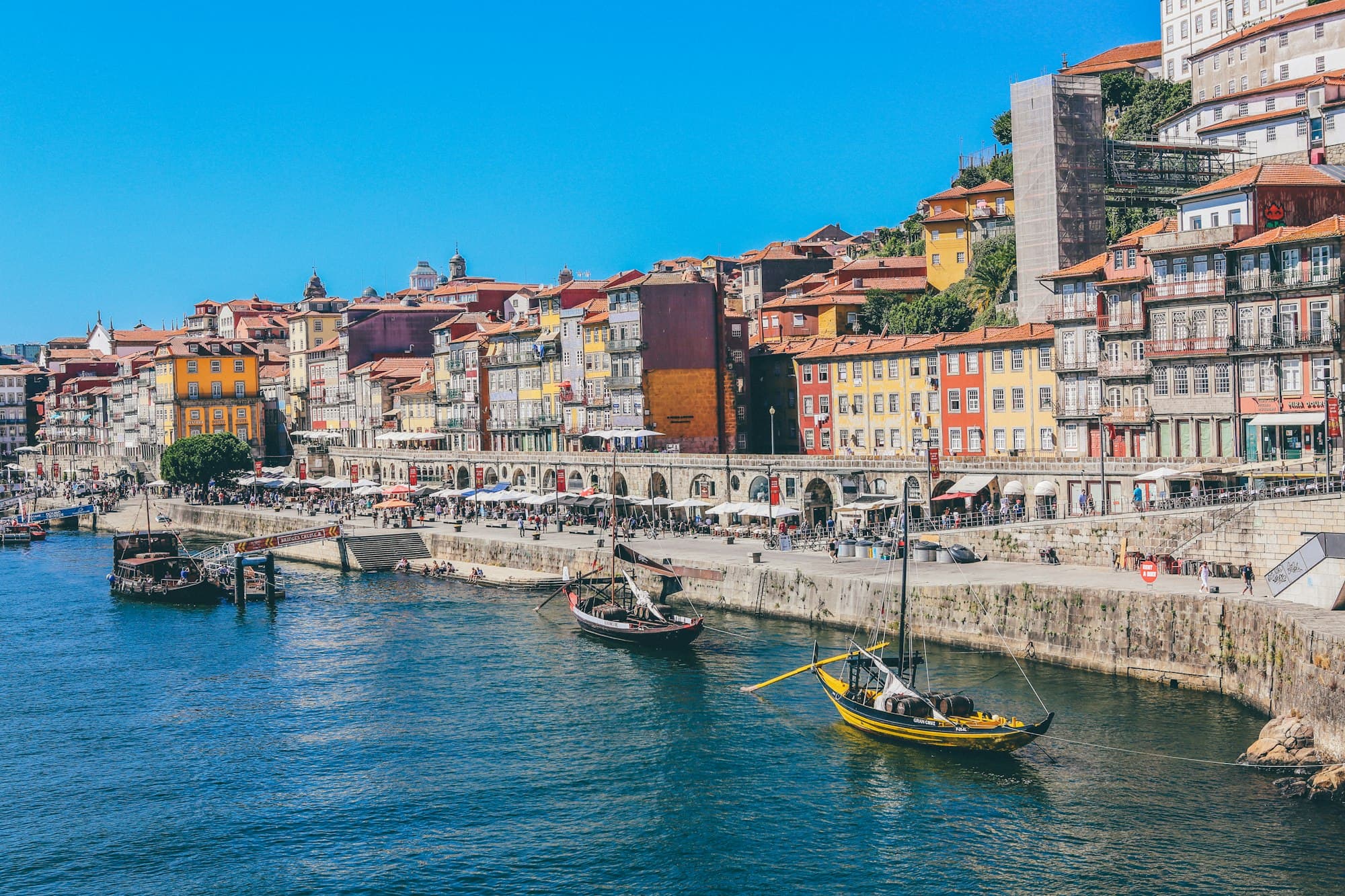
Lisbon rewards travelers who pick the right hill. Portugal's capital tumbles down toward the Tagus in a tangle of cobbled lanes, tiled facades, and miradouro viewpoints, and the neighborhood you choose shapes how much climbing, how much atmosphere, and how much nightlife defines your stay. After many trips across the city, this guide breaks down Lisbon's best areas, what each is like, and exactly who should stay where.
Lisbon's historic core is compact but steep: from the downtown Baixa grid you can walk to the castle, the riverfront, and the main squares, with vintage trams and funiculars helping you up the hills the rest of the time. That makes atmosphere — and how much you mind a climb — the deciding factor: the elegant flatlands of Baixa and Chiado, the medieval maze of Alfama, the nightlife of Bairro Alto, or the grand boulevard of the Avenida da Liberdade.
Below you will find a quick-answer summary, a comparison table, then detailed breakdowns of each area — followed by transport advice and the questions travelers ask most. For the rest of your planning, see our Portugal travel guide, Europe visa requirements, and our where to stay in Barcelona guide for pairing an Iberian trip.
Some links in this guide are affiliate links: if you book through them we may earn a small commission at no extra cost to you. It never affects which neighborhoods or hotels we recommend.
Jump to a section11
- 01Quick Answer: Where Should You Stay in Lisbon?
- 02Lisbon Neighborhoods at a Glance
- 03Key Takeaways Before You Book
- 04Baixa & Chiado — The Elegant, Walkable First-Timer Base
- 05Alfama — Historic Atmosphere and the Soul of Fado
- 06Bairro Alto & Principe Real — Nightlife and Bohemian Cool
- 07Avenida da Liberdade — Lisbon's Luxury and Shopping Boulevard
- 08Belem, Cais do Sodre, Graca & Parque das Nacoes — Four More Options
- 09How to Choose Your Lisbon Neighborhood
- 10Getting Around From Your Base
- 11Recommended Areas by Traveler Type
Quick Answer: Where Should You Stay in Lisbon?
For first-time visitors, the Baixa and Chiado area is the best base — it sits on Lisbon's flat, central downtown, puts the main squares, shopping, and riverfront within an easy walk, and connects everywhere by metro and tram. Couples and travelers wanting character love Alfama, the atmospheric old quarter beneath the castle, while night owls gravitate to Bairro Alto and Cais do Sodre. Families and luxury travelers do well along the Avenida da Liberdade, the grand tree-lined boulevard with the city's smartest hotels.
The key rule in Lisbon: stay central and think about the hills. Much of the city is steep and cobbled, so basing yourself in or beside the flat Baixa downtown — close to a metro station — saves your legs and keeps every neighborhood within easy reach.
Lisbon Neighborhoods at a Glance
This table summarizes the main areas covered below. Rates reflect a typical well-reviewed mid-range double room in 2026; Lisbon offers excellent options above and below these bands.
| Neighborhood | Best For | Vibe | Typical Mid-Range Rate | Landmark Nearby |
|---|---|---|---|---|
| Baixa & Chiado | First-timers, walkability, shopping | Central, elegant, bustling | $120–280 | Praca do Comercio, Rossio |
| Alfama | Couples, history, Fado | Historic, atmospheric, hilly | $100–240 | Sao Jorge Castle, Cathedral |
| Bairro Alto & Principe Real | Nightlife, couples, trendy | Lively, bohemian, social | $110–260 | Bairro Alto, Principe Real |
| Avenida da Liberdade | Luxury, shopping, couples | Upscale, grand, polished | $220–600+ | Avenida da Liberdade |
| Belem | Families, monuments, museums | Riverside, monumental, open | $110–230 | Belem Tower, Jeronimos |
| Cais do Sodre | Nightlife, dining, central | Riverside, hip, energetic | $120–270 | Pink Street, Time Out Market |
| Graca & Mouraria | Budget-mid, local, viewpoints | Authentic, hilly, multicultural | $80–180 | Graca viewpoint, Mouraria |
| Parque das Nacoes | Families, modern, business | Contemporary, riverside, orderly | $100–210 | Oceanario, Vasco da Gama |
Key Takeaways Before You Book
- Lisbon is steep and cobbled, so staying in or beside the flat Baixa downtown — near a metro station — saves your legs more than in most European capitals.
- Baixa and Chiado are the best first-timer base: central, elegant, flat, and walkable to the squares, shopping, and riverfront.
- Alfama offers the most historic atmosphere and Fado, ideal for couples — but expect hills, stairs, and limited car access.
- Bairro Alto and Cais do Sodre are the nightlife heart; great for night owls, noisy for light sleepers.
- The Avenida da Liberdade is the luxury and shopping address, while Belem and Parque das Nacoes suit families wanting space and museums.
- Lisbon is popular spring through autumn; book central hotels 2–3 months ahead, and most offer free cancellation, so reserve early and refine later.
Baixa & Chiado — The Elegant, Walkable First-Timer Base
Baixa is Lisbon's downtown heart — a handsome neoclassical grid of pedestrian shopping streets rebuilt after the 1755 earthquake, running from the riverfront square of Praca do Comercio up to the lively Rossio and Restauradores plazas. Climbing west into the hills, Chiado is its refined, cultured neighbor, full of historic cafes, theaters, bookshops, and smart boutiques. Together they form the most central and convenient place to stay, with the bonus of being largely flat — a rarity in this hilly city.
This is the best-connected base in Lisbon: several metro stations, the main tram and bus routes, and the funiculars all meet here, putting Alfama, Belem, and the nightlife districts within an easy ride or walk, and the airport a short metro hop away. The trade-offs are price and bustle — these are the busiest, most visited streets in the city, so rooms run higher and the main drags are crowded by day. Choose a hotel on a quieter side street for the best balance of convenience and calm.
Who it suits: first-time visitors, couples, shoppers, and anyone who wants to walk everywhere on the level and connect easily to the rest of the city. Who should look elsewhere: budget travelers and those seeking a quiet, residential, local feel. For pairing Lisbon with another Iberian city, our where to stay in Barcelona guide covers the obvious next stop.
Need a place to stay? Compare hotels in Baixa, Lisbon on Booking.com →
We may earn a small commission at no extra cost to you.
Alfama — Historic Atmosphere and the Soul of Fado
Spilling down the hill below Sao Jorge Castle, Alfama is Lisbon's oldest and most atmospheric quarter — a labyrinth of narrow stairways, tiled houses, hidden squares, and washing strung between balconies that survived the great earthquake largely intact. It is the birthplace and heartland of Fado, Portugal's soulful music, heard from small taverns in the evening, and a place where the city's medieval, Moorish past feels closest to the surface. For travelers who want character over convenience, no area is more romantic.
Alfama is very central — a short walk or tram ride from the Baixa downtown and walkable to the castle, the cathedral, and the riverside — yet it feels a world apart. The trade-offs are practical: the lanes are steep, often stepped, and largely inaccessible to cars and taxis, so arriving with heavy luggage means a climb, and the maze can be disorienting at first. The famous Tram 28 rattles through, charming but crowded. Accommodation skews toward guesthouses, boutique hotels, and apartments tucked into historic buildings.
Who it suits: couples, history lovers, Fado fans, and travelers happy to trade hills for atmosphere. Who should look elsewhere: families with strollers, travelers with mobility needs, and anyone wanting flat, easy access. To budget evenings of Fado and dining, our trip cost calculator helps plan meals and music.
Need a place to stay? Compare hotels in Alfama, Lisbon on Booking.com →
We may earn a small commission at no extra cost to you.
Bairro Alto & Principe Real — Nightlife and Bohemian Cool
Perched on the hill above Chiado, Bairro Alto is Lisbon's nightlife heart — a grid of narrow streets that is sleepy and atmospheric by day and transforms after dark into a buzzing maze of tiny bars, restaurants, and crowds spilling onto the cobbles. Just uphill, Principe Real is its more polished, leafy cousin: a stylish, village-like district of garden squares, design shops, brunch spots, and a relaxed, fashionable scene that is the center of LGBTQ+ Lisbon. Together they offer the best of the city's social life with real local character.
The area is central and walkable — Chiado, Baixa, and Cais do Sodre are all close, reached on foot or by the historic Gloria funicular — though the hills are part of the deal. The obvious trade-off is noise: Bairro Alto is genuinely loud late into the night on weekends, so light sleepers should pick a street on the quieter edges or stay in calmer Principe Real. Accommodation ranges from hip guesthouses and boutique hotels to stylish apartments, with Principe Real skewing slightly more upscale.
Who it suits: night owls, couples, younger travelers, and anyone wanting atmosphere and a social scene. Who should look elsewhere: light sleepers, families, and travelers wanting an early, quiet night. Planning to pair Lisbon with nearby cities? The distance calculator helps map out a wider Portugal or Iberian trip.
Need a place to stay? Compare hotels in Bairro Alto, Lisbon on Booking.com →
We may earn a small commission at no extra cost to you.
🏨 Find Hotels in Lisbon, Portugal
Compare 2M+ properties on Booking.com — free cancellation on most stays. Filter by price, neighborhood, and traveler ratings.
Search Hotels in Lisbon, Portugal →Affiliate link — we may earn a small commission at no extra cost to you.
🎟️ Top Experiences in Lisbon
Skip-the-line tickets and guided tours via GetYourGuide — free cancellation on most. We may earn a small commission at no extra cost to you.
Avenida da Liberdade — Lisbon's Luxury and Shopping Boulevard
Running north from the downtown up toward the Marques de Pombal roundabout, the Avenida da Liberdade is Lisbon's grandest avenue — a wide, tree-lined boulevard modeled on the Champs-Elysees, lined with designer flagship stores, embassies, theaters, and many of the city's finest five-star and luxury hotels. Staying here means elegant, spacious accommodation, polished service, and the smartest shopping in Portugal, all in a refined setting a short walk from the historic center.
The avenue is central and well connected, with two metro stations along its length linking you to the airport, the riverfront, and the rest of the city, and it is an easy, mostly downhill stroll into Baixa and Chiado. The trade-offs are price and character — this is the most expensive area to stay, and its broad, traffic-lined boulevard feels grander and less intimate than the historic quarters, with the atmosphere of an upscale shopping district rather than old Lisbon. It works best for those who value comfort and location over local charm.
Who it suits: luxury travelers, couples wanting a smart base, shoppers, and business visitors. Who should look elsewhere: budget travelers and those seeking the cobbled, characterful side of Lisbon. To weigh a splurge against the rest of the trip, the trip cost calculator helps balance the budget.
Need a place to stay? Compare hotels in Avenida da Liberdade, Lisbon on Booking.com →
We may earn a small commission at no extra cost to you.
Belem, Cais do Sodre, Graca & Parque das Nacoes — Four More Options
West along the river, Belem is Lisbon's monumental district — home to the Belem Tower, the Jeronimos Monastery, the Monument to the Discoveries, and the original pasteis de Belem custard tarts, set amid open riverside gardens and major museums. It is spacious and family-friendly, though a 15–20 minute tram or train ride from the center, suiting travelers focused on monuments and museums over nightlife. Back in the center, Cais do Sodre has reinvented itself from a rough dockside into one of Lisbon's most fashionable riverfront districts, home to the Time Out Market food hall, the bar-lined Pink Street, and excellent transport — lively, central, and a short walk from Chiado.
For a more local, budget-friendly stay, the adjoining hilltop districts of Graca and Mouraria offer authentic, multicultural neighborhoods famous for their miradouro viewpoints, tram lines, and the roots of Fado, with lower prices and a genuine residential feel a short ride from the center. At the city's eastern edge, the modern Parque das Nacoes — built for Expo 98 — is a contemporary riverside quarter of wide promenades, the Oceanario aquarium, family attractions, and reliable chain hotels, well connected by metro and ideal for families and business travelers wanting space and calm.
Who they suit: Belem for families and monument-focused visits; Cais do Sodre for riverside nightlife and central convenience; Graca and Mouraria for local atmosphere and value; Parque das Nacoes for modern comfort, families, and business. For onward travel, see where to stay in Barcelona and check intercity times with the flight and distance tools.
Need a place to stay? Compare hotels in Belem, Lisbon on Booking.com →
We may earn a small commission at no extra cost to you.
Keep reading
 Where to Stay in BarcelonaA neighborhood-by-neighborhood guide to choosing the right Barcelona base — by travel style, budget, and the kind of trip you want
 Where to Stay in RomeA neighborhood-by-neighborhood guide to choosing the right Rome base — by travel style, budget, and the sights you came for
 Portugal Travel GuideFado, tiled facades, Atlantic cliffs, Douro wine, and Europe's most underestimated food
How to Choose Your Lisbon Neighborhood
Lisbon is steep and cobbled. Basing yourself in or beside the flat Baixa downtown, close to a metro station, saves your legs and keeps every district within easy reach — important if you have luggage or mobility needs.
Baixa and Chiado for central elegance, Alfama for historic charm and Fado, Bairro Alto and Cais do Sodre for nightlife, the Avenida da Liberdade for luxury and shopping, Belem or Parque das Nacoes for space and museums.
Couples and first-timers: Baixa, Chiado, or Alfama. Families: Belem, Parque das Nacoes, or flat central streets. Night owls: Bairro Alto and Cais do Sodre. Budget: Graca, Mouraria, or the edges of the center.
Reserve 2–3 months ahead for spring through autumn, when Lisbon is busiest. In Alfama and the old hills, confirm how close a taxi can reach and whether there are many stairs before booking if you have heavy bags.
Getting Around From Your Base
Lisbon is best explored on foot and by its charming public transport, though the hills make a central base valuable. The metro is clean, fast, and connects the airport, the downtown, and Parque das Nacoes, while the historic trams — especially Tram 28 — the funiculars, and an extensive bus network cover the hilly old quarters the metro does not reach. A rechargeable Viva Viagem card covers metro, trams, buses, and funiculars, and walking remains the best way to experience the central neighborhoods, climbs and all.
From the airport, the metro's red line reaches the city center in about 20–30 minutes, and taxis or ride-hailing are quick and affordable. Lisbon's Santa Apolonia and Oriente stations connect onward to Porto, the Algarve, and beyond by train. To plan day trips to Sintra, Cascais, or further afield, or to pair Lisbon with another city, use the distance calculator and flight duration calculator, and the time zone calculator covers the shift from North America.
Recommended Areas by Traveler Type
- First-time visitors: Baixa and Chiado for central, flat, walkable convenience, or Alfama for historic atmosphere.
- Couples & honeymooners: Alfama for romance and Fado, Chiado for elegance, or Principe Real for stylish calm.
- Families: Belem or Parque das Nacoes for space, museums, and family attractions, or flat central streets near a metro.
- Luxury travelers: the Avenida da Liberdade, home to Lisbon's grandest hotels and designer shopping.
- Budget travelers: Graca, Mouraria, or the quieter edges of the center for the lowest rates and a local feel.
- Nightlife seekers: Bairro Alto and Cais do Sodre for the city's liveliest bars and riverfront scene.
- Food lovers: Cais do Sodre for the Time Out Market and Chiado for historic cafes and restaurants.
Frequently Asked Questions
What is the best area to stay in Lisbon for first-time visitors?
Baixa and Chiado, Lisbon's flat central downtown, are the best base for first-timers — they place the main squares, shopping, and riverfront within an easy walk, sit on rare level ground, and connect everywhere by metro and tram. Alfama is an excellent alternative for those wanting historic atmosphere, though it is hilly. Both keep the headline sights close.
Is Alfama a good area to stay in Lisbon?
Yes — Alfama is Lisbon's most atmospheric quarter and a favorite for couples, with medieval lanes, tiled houses, viewpoints, and the city's best Fado. It is central and walkable to the castle and riverfront. The trade-offs are practical: steep, stepped streets with limited car access, so it suits travelers happy to climb and arriving without heavy luggage rather than families with strollers.
What is the cheapest area to stay in Lisbon?
The hilltop districts of Graca and Mouraria, just east of the center, offer some of Lisbon's best value — authentic, multicultural neighborhoods with lower room rates, great viewpoints, and a local feel a short tram ride from downtown. The quieter edges of the center and parts of Parque das Nacoes also offer good rates, and Lisbon has plenty of well-priced guesthouses and hostels throughout.
Which area of Lisbon is best for families?
Belem and Parque das Nacoes are the best family bases. Belem has open riverside gardens, major museums, and the famous monuments and custard tarts, while Parque das Nacoes offers modern hotels, wide traffic-free promenades, the Oceanario aquarium, and family attractions. Both are calmer and more spacious than the old center, well connected by transport, and avoid the steep stairs of the historic quarters.
How many days do you need in Lisbon?
Three full days is enough to see Lisbon's highlights — the Baixa and Chiado downtown, Alfama and the castle, and Belem's monuments — at a reasonable pace, while four or five days lets you add the nightlife, viewpoints, and day trips to Sintra or Cascais. Most first-time visitors find three to four days ideal, with a day trip to Sintra a popular addition.
Is Bairro Alto too noisy to stay in?
Bairro Alto is genuinely loud late into the night, especially on weekends, when its streets fill with bar-goers — so it is a wonderful base for night owls but a poor one for light sleepers. If you love the location but want sleep, choose a hotel on the quieter edges of the district, or stay in adjoining Principe Real or Chiado, which keep you close to the action in a calmer setting.
How far in advance should I book a hotel in Lisbon?
For spring through autumn, Lisbon's busiest and most popular season, book central hotels 2–3 months ahead, as well-located rooms sell out early. For winter, 4–6 weeks is usually comfortable. Most Lisbon hotels offer free cancellation, so reserving early and adjusting later carries little risk, which is worth doing for the best-placed central rooms.
Do I need a car in Lisbon?
No — a car is a liability in Lisbon, with steep, narrow, often pedestrian-only streets in the old quarters, scarce and expensive parking, and excellent public transport. The city is best explored on foot and by metro, tram, and funicular. Only rent a car for trips beyond the city, such as exploring the wider region, and collect it as you leave rather than parking it centrally.
Which Lisbon neighborhood is best for nightlife?
Bairro Alto is Lisbon's classic nightlife district, a maze of small bars that comes alive after dark, while neighboring Cais do Sodre offers a trendier riverfront scene around the Pink Street and the Time Out Market. Principe Real adds a stylish, relaxed bar scene and is the heart of LGBTQ+ Lisbon. For a lively night out, Bairro Alto and Cais do Sodre are the obvious choices.
Does it matter where I stay given Lisbon's hills?
It matters more than in most cities. Lisbon is famously steep and cobbled, so staying in or beside the flat Baixa downtown — close to a metro station — saves a lot of climbing and keeps every district within easy reach. The historic hill quarters like Alfama and Graca are atmospheric but involve stairs and slopes, so factor in your luggage and mobility when choosing between flat convenience and hilltop charm.

About the author
SK Kutubuddin · Founder & Editor
The founder and editor of Travel and Time. An aeronautical engineer with close to two decades in aviation, I build the site’s flight, distance, and trip-planning tools myself and check every figure before it goes live. I write from Kolkata, India.
More about author →