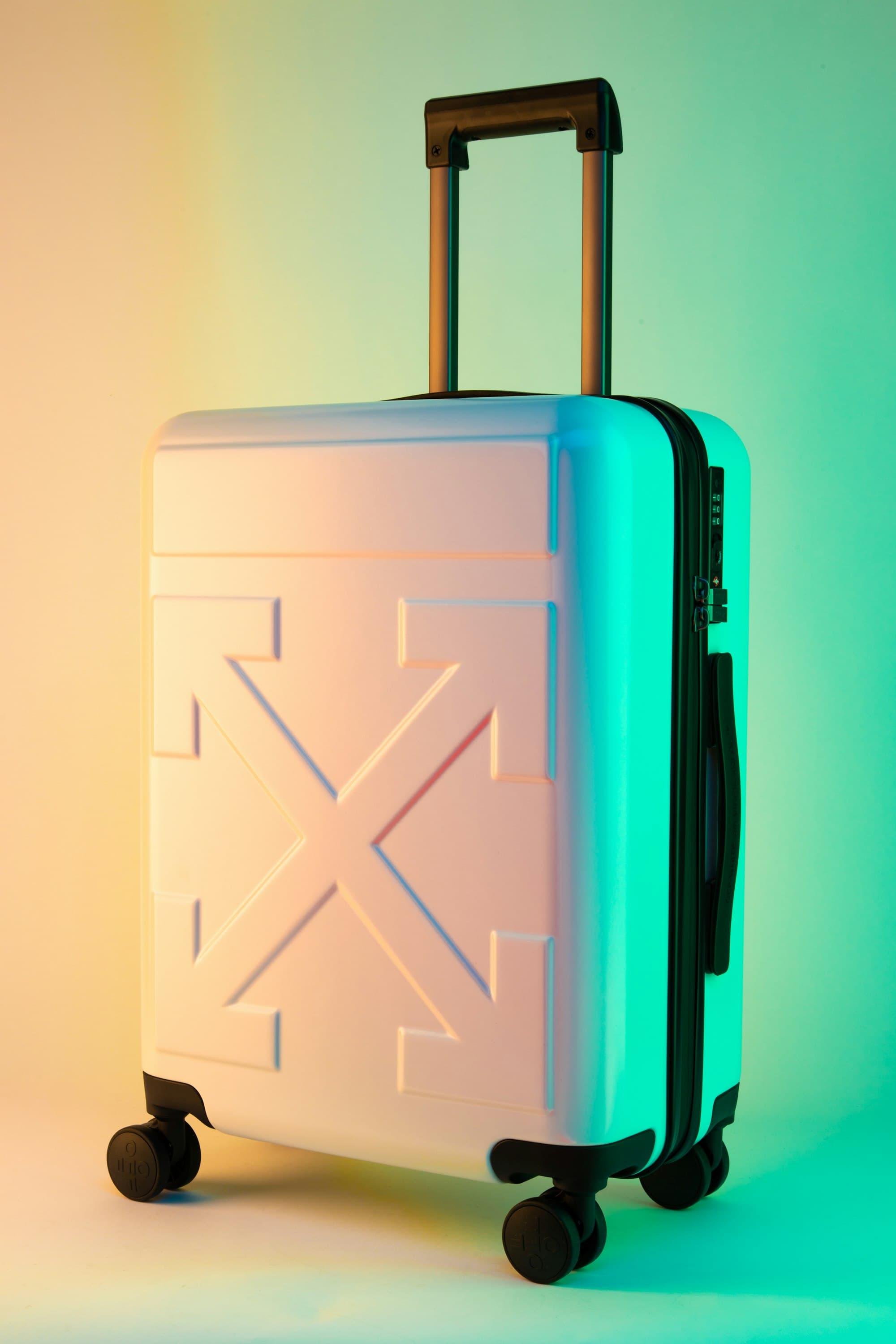
Packing badly costs you twice: once at the airport, where an overweight bag turns into a fee, and again at the other end, when everything you need is at the bottom. Packing well is mostly method — a repeatable order, a few decisions about what to roll and what to fold, and using space that would otherwise sit empty.
None of it requires special equipment. The techniques below work in a hard-shell carry-on, a soft weekend bag, or a large checked case, and they matter most when the bag is close to full or close to a weight limit.
Jump to a section11
- 01Start With the Bag, Not the Clothes
- 02Roll, Fold, or Both
- 03Packing Cubes Earn Their Space
- 04Pack in Layers, Heaviest Nearest the Wheels
- 05Use the Dead Space
- 06Wear Your Bulkiest Items
- 07Toiletries and the Liquids Rule
- 08Weigh the Bag Before You Leave
- 09A Repeatable Packing Order
- 10Mistakes That Cost Space or Money
- 11Key Takeaways
Start With the Bag, Not the Clothes
The single biggest determinant of how much you can pack well is whether the bag suits the trip. An oversized case invites overpacking and pushes you past weight limits; a case that is slightly too small forces compression that creases everything and strains zips.
Check the bag against your airline's published dimensions before you start rather than after you have filled it. Hard shells protect fragile items and hold their shape; soft-sided bags flex into overhead bins and gain a little from external pockets. Neither is better in general — they are better at different things.
Roll, Fold, or Both
Rolling and folding solve different problems, and most well-packed bags use both. Rolling suits soft, forgiving fabrics and removes the hard creases a fold leaves behind. Folding suits structured or stiff garments that hold a line, and it stacks more predictably in a rectangular case.
The practical rule: roll anything that would not be ruined by a crease, fold anything that would.
| Item | Best method | Why |
|---|---|---|
| T-shirts, knitwear, casual tops | Roll | Soft fabric compresses well and avoids fold lines |
| Jeans, chinos, casual trousers | Roll | Heavy fabric holds the roll and fills gaps |
| Dress shirts, blouses, tailoring | Fold | Structured fabric creases along a deliberate line rather than at random |
| Dresses, suits, anything pressed | Fold, with tissue or a dry-cleaning bag at the fold | The slip layer stops a hard crease forming |
| Underwear, socks, swimwear | Roll or stuff into gaps | Small and shapeless — ideal for dead space |
| Jackets and coats | Wear, or fold last and lay flat on top | Bulkiest item in the bag; usually not worth the space |
Packing Cubes Earn Their Space
Cubes do two useful things. They keep categories separate, so you unpack once and then find things without dismantling the bag; and they hold a rolled stack in shape, so it does not loosen and spread as the case is moved.
They do not create space on their own. A compression cube reduces the volume of soft items by squeezing out air, which helps when you are short on room — but it does nothing about weight, and a bag that closes easily can still be over the limit.
Pack in Layers, Heaviest Nearest the Wheels
Weight distribution decides how the case behaves once it is upright. Put the heaviest items — shoes, toiletry bag, anything dense — along the edge that sits at the bottom when the case stands on its wheels. A top-heavy case tips when you let go of the handle and drags awkwardly on rough ground.
Build up in layers from there: heavy at the wheel end, rolled clothing filling the middle, flat or delicate items on top where nothing presses into them.
Use the Dead Space
Most half-packed cases are full of air. The gaps are small and awkward, which is exactly why small, shapeless items belong in them.
- Fill shoes with socks, chargers, or rolled underwear — the space inside them is otherwise wasted entirely.
- Slide flat items such as documents or a laptop sleeve against the case wall rather than into the middle.
- Use the lid pocket for things you want on arrival, not for overflow you could not fit elsewhere.
- Push small rolls into the corners and along the edges, which are the first places air collects.
- Keep one accessible pocket for liquids so security checks do not mean unpacking the bag.
Wear Your Bulkiest Items
Anything worn is not in the bag and does not count towards its weight. Boots, a coat, and the heaviest jumper are the obvious candidates, and together they can be a meaningful share of a carry-on's allowance.
The trade-off is comfort on board, so the practical version is to wear the bulky items through check-in and security and pack a light layer to change into once you are seated.
Toiletries and the Liquids Rule
Liquids are where most carry-on bags come unstuck, because the limits are about container size rather than how much is left inside. A part-used large bottle is still a large bottle at the checkpoint.
Decant what you need into small containers, keep the bag they live in near the top, and check the current rules for your departure airport — they vary by country and have been changing as newer scanners roll out.
Weigh the Bag Before You Leave
Volume and weight are separate constraints, and a case can pass one while failing the other. This is the most common expensive surprise at the desk, and it is entirely avoidable at home.
Use a luggage scale, or stand on bathroom scales holding the bag and subtract your own weight. Do it with the bag fully packed, including anything you plan to add at the last minute.
A Repeatable Packing Order
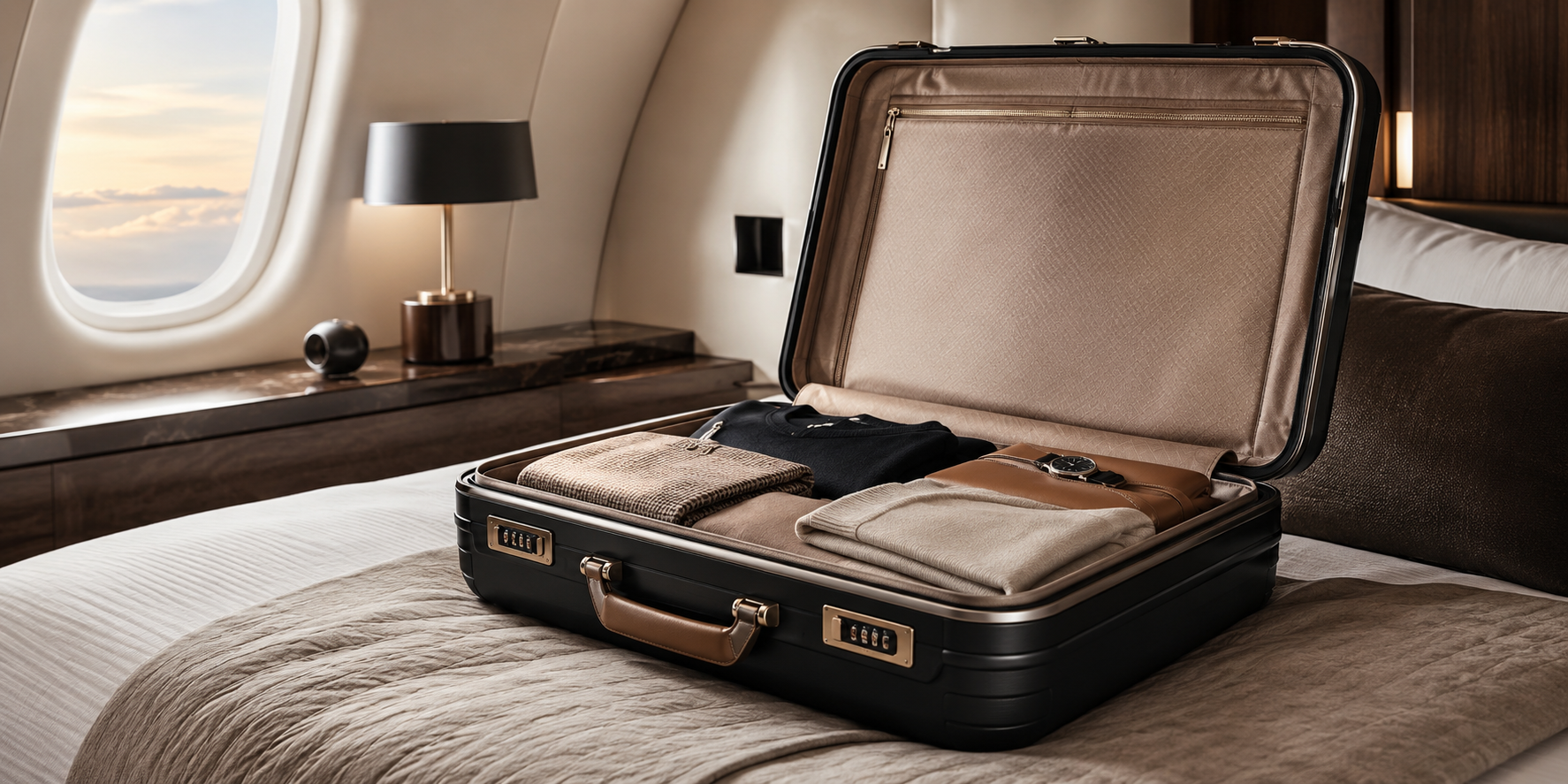
Put every candidate item on the bed before anything goes in the case. This is the only reliable moment to notice duplicates and things you packed out of habit.
Most people return home having not worn a meaningful share of what they brought. Cutting before you pack is easier than repacking later.
Shoes, toiletry bag, and anything dense go in first, along the edge that sits at the bottom when the case is upright.
Build the main body of the bag from rolls, in cubes if you use them, filling from the heavy end outward.
Socks, underwear, chargers and cables go into shoes, corners, and the spaces between rolls.
Folded shirts, anything pressed, and fragile items go last where nothing presses down on them.
The toiletry bag goes in a pocket or the very top so a security check does not mean unpacking everything.
Check the weight before the final zip, while there is still time to move something into your coat pockets.
Mistakes That Cost Space or Money
- Packing for weather that is unlikely — a single warm layer covers most variation better than three alternatives.
- Bringing full-size toiletries when the hotel provides the basics or the destination sells them.
- Packing shoes empty, which wastes the most reliably available space in the bag.
- Leaving weight checks until the airport, when the only fix is an excess-baggage fee.
- Filling every gap simply because it is there, which is how a bag passes on size and fails on weight.
- Packing the things you need on arrival at the very bottom, under everything else.
Key Takeaways
- Choose the bag for the trip before you choose what goes in it.
- Roll what creases badly, fold what holds a line.
- Heaviest items nearest the wheels, delicate items on top.
- Shoes, corners and edges are free space you have already paid for.
- Wear the bulkiest items rather than packing them.
- Weigh the bag at home — size and weight are separate limits.
Frequently Asked Questions
Is it better to roll or fold clothes in a suitcase?
Both, depending on the garment. Roll soft items such as t-shirts, knitwear and jeans — rolling avoids hard fold lines and fills gaps well. Fold structured items such as dress shirts and tailoring, which crease more neatly along a deliberate line than they do when rolled.
Do packing cubes actually save space?
Standard cubes mainly organise rather than compress — they keep rolled stacks in shape and let you find things without unpacking. Compression cubes do reduce volume by squeezing out air, which helps when you are short on room, but they do not reduce weight at all.
How do I stop my suitcase being overweight?
Weigh it at home with a luggage scale, or on bathroom scales while holding it and subtracting your own weight. Do this fully packed. If it is over, wear the heaviest items instead of packing them and move dense objects into a coat or personal item.
Where should heavy items go in a suitcase?
Along the edge that sits at the bottom when the case stands upright on its wheels. This keeps the centre of gravity low so the case does not tip when you let go of the handle, and makes it easier to pull over rough ground.
What is the best way to pack shoes?
Fill them — socks, chargers, or rolled underwear — and place them at the heavy end of the case, ideally in a bag or shower cap so soles do not touch clothing. Empty shoes waste some of the most usable space in the bag.
How can I pack for a long trip in a carry-on?
Pack a smaller set of items that work together, plan to do laundry rather than carrying a fresh outfit per day, roll to save space, wear the bulkiest items, and decant toiletries into small containers. Trip length matters far less than how many one-off items you bring.
Should I pack liquids at the top of my bag?
Yes, or in an outer pocket. Liquids are the item most likely to be inspected at security, and keeping them accessible means a check does not require unpacking the whole bag. It also limits the damage if a container leaks.

About the author
SK Kutubuddin · Founder & Editor
The founder and editor of Travel and Time. An aeronautical engineer with close to two decades in aviation, I build the site’s flight, distance, and trip-planning tools myself and check every figure before it goes live. I write from Kolkata, India.
More about author →